Erythrina senegalensis
DC.
Coral tree, Coral flower
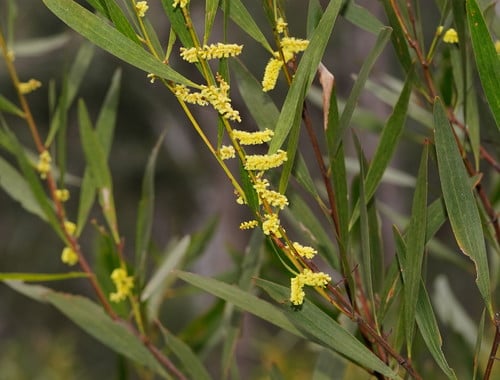
iNaturalist· cc-by-nc-sa
(c) Marco Schmidt, some rights reserved (CC BY-NC-SA)
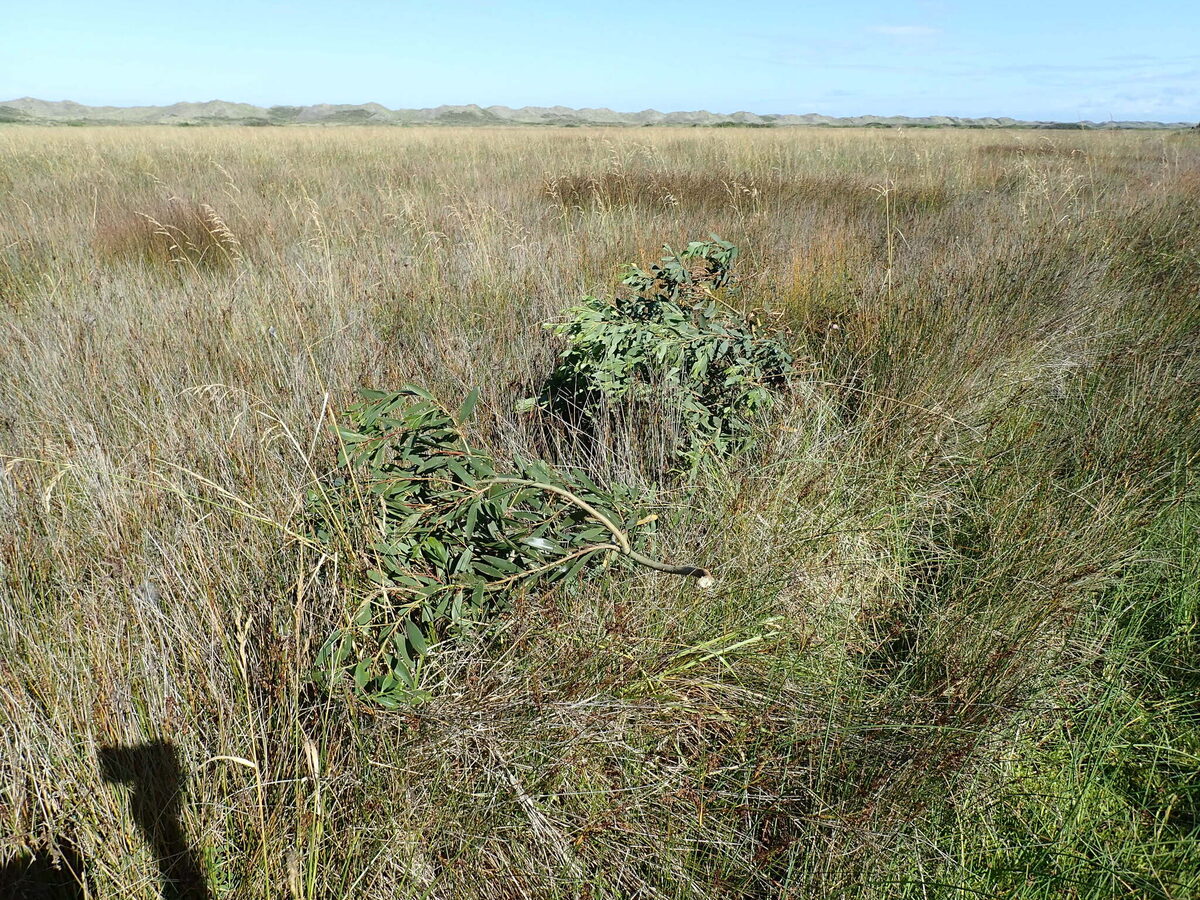
iNaturalist· cc-by-nc
(c) iles-ecologiques, some rights reserved (CC BY-NC), uploaded by iles-ecologiques
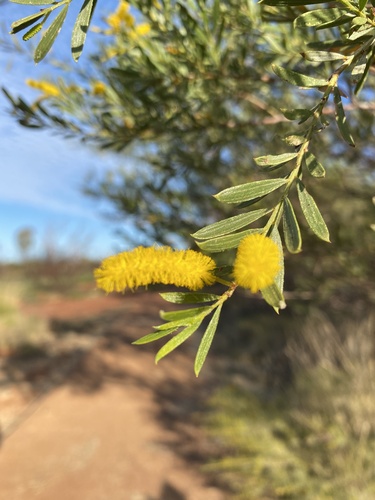
iNaturalist· cc-by-nc
(c) AMADOU BAHLEMAN FARID, some rights reserved (CC BY-NC), uploaded by AMADOU BAHLEMAN FARID
Summary
Source: WikipediaErythrina senegalensis, the Senegal coraltree, is a plant in the pea family Fabaceae, native to West Africa.
Description
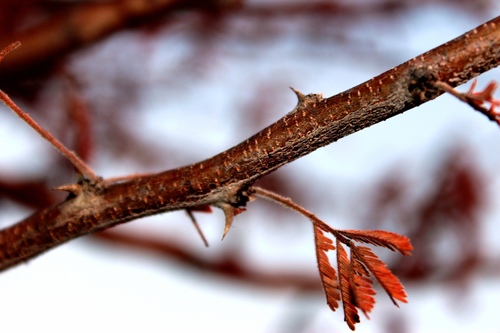
A tree. It grows 15 m high. It has a corky bark with prickles that curve back. The flowers are large and red.
This description is brief — help expand it
Edible Uses
The bark is eaten.
Medicinal Uses
Erythrina senegalensis is locally used in traditional medicine. The wood is locally used to make knife handles and the seeds to make necklaces. The species is cultivated as an ornamental and also used in hedges.
Known Hazards
All Erythrina species contain greater or lesser amounts of toxic alkaloids - these can be found in all parts of the plant but are usually most concentrated in the seeds. Concentrations vary from species to species, in some it is low enough that the plant is safely used as a food. In many, the alkaloids are utilized for their medicinal effects. We have no specific information on the concentration of the alkaloids in this species, but care should be exercised in any use of the plant that involves ingestion. These alkaloids have a curare-like action (obtained from Strychnos species) and can cause paralysis and even death by respiratory failure.
Distribution
It is a tropical plant. It grows in woodland, savannah woodland and wet grass savannah. In XTBG Yunnan.
Where It Grows
Africa, Asia, Benin, Burkina Faso, China, Guinea, Guinée, Guinea-Bissau, Mali, Senegal, Togo, West Africa*,
Cultivation
Erythrina species are tolerant of a range of soils, often tolerating poor fertility, but generally grow best in a sunny position in a moderately fertile, well-drained soil. The plant can be coppiced. It also produces suckers. All species in this genus are believed to be self-compatible. Their flowers are adapted to pollination by birds, though various insects can also cause fertilization. The various species of Erythrina can all, as far as is known, be intercrossed to produce fertile hybrids. Those species most closely related to each other cross fairly readily, but even species that are quite distant can hybridize. This species has a symbiotic relationship with certain soil bacteria, these bacteria form nodules on the roots and fix atmospheric nitrogen. Some of this nitrogen is utilized by the growing plant but some can also be used by other plants growing nearby.
Propagation
Like many species within the family Fabaceae, once they have been dried for storage the seeds of this species may benefit from scarification before sowing in order to speed up and improve germination. This can usually be done by pouring a small amount of nearly boiling water on the seeds (being careful not to cook them!) and then soaking them for 12 - 24 hours in warm water. By this time they should have imbibed moisture and swollen - if they have not, then carefully make a nick in the seedcoat (being careful not to damage the embryo) and soak for a further 12 hours before sowing. Species in this genus are generally easy to grow from cuttings. Many will strike well even from large cuttings placed in the open ground so long as they are kept moist but not too wet.
Other Uses
The seeds are used as beads. A fibre obtained from the bark is used to make scented bracelets etc. The wood is very light in weight, soft and not durable. It is of little value but is sometimes used for fencing. The plant is commonly grown as a hedge in Africa. Most Erythrina species are very easy to grow from cuttings, with even quite large branches striking well. In addition, they generally fix atmospheric nitrogen, have nutrient-rich leaves that make an excellent soil-enriching mulch, often have open crowns that do not overly restrict light, and are also often quite thorny and can provide impenetrable barriers to protect from unwelcome intrusions. Many species are therefore used as living fences to provide boundaries and livestock-proof hedges.
Notes
It is also used in medicine.
Synonyms
Also Known As
Bissaca, Bissansce, Bondja, Botchornawi, Botcho-tchadje, Bothola, Burale, Cussere, Dlim-odolim-o, Kolgradagoufelgou, M'zisse, Mochola, N'chaka-refat, N'tchakarfat, Po-de-osso, Po-di-budogo
References (3)
- Achigan-Dako, E, et al (Eds), 2009, Catalogue of Traditional Vegetables in Benin. International Foundation for Science.
- Batawila, K., et al, 2007, Diversite et gestion des legumes de cueillete au Togo. African Journal of Food, Agriculture, Nutrition and Development 7( 3& 4): 65
- World Checklist of Useful Plant Species 2020. Royal Botanic Gardens, Kew