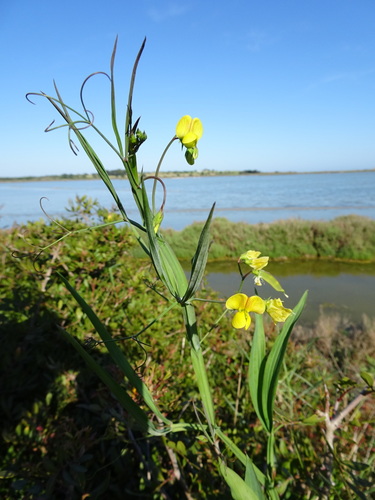
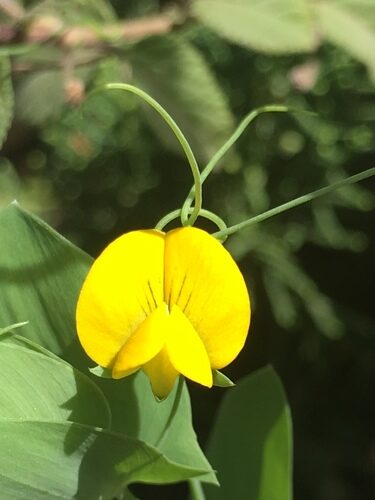
Erythrina poeppigiana
(Walpers) O. F. Cook
Madre de Cacao
iNaturalist· cc-by-nc-sa
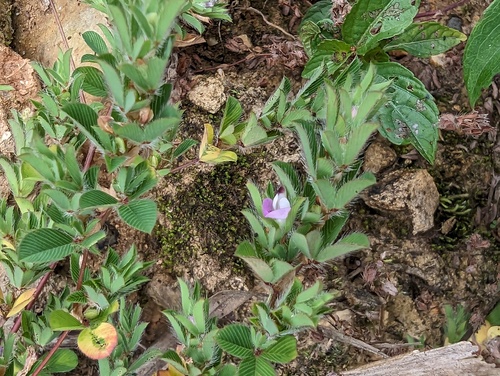
(c) Reinaldo Aguilar, some rights reserved (CC BY-NC-SA)
iNaturalist· cc-by-nc
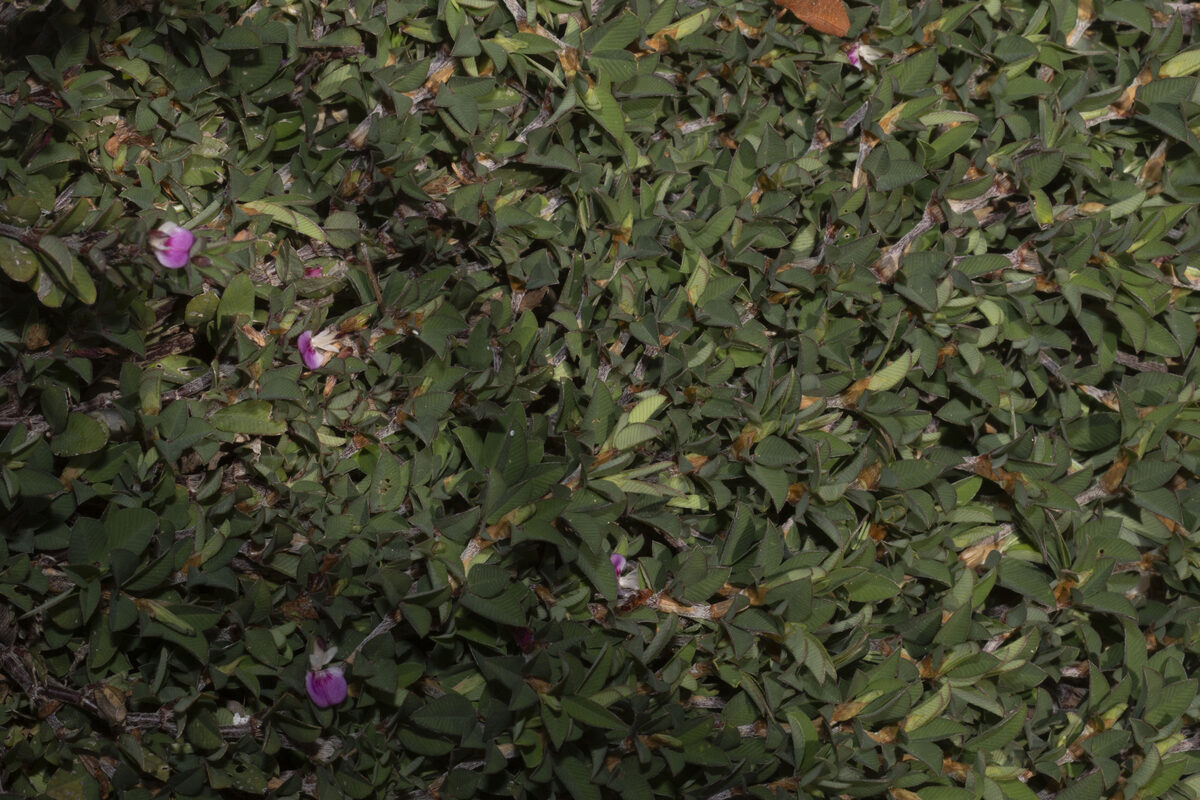
(c) marcycad, some rights reserved (CC BY-NC)
iNaturalist· cc-by
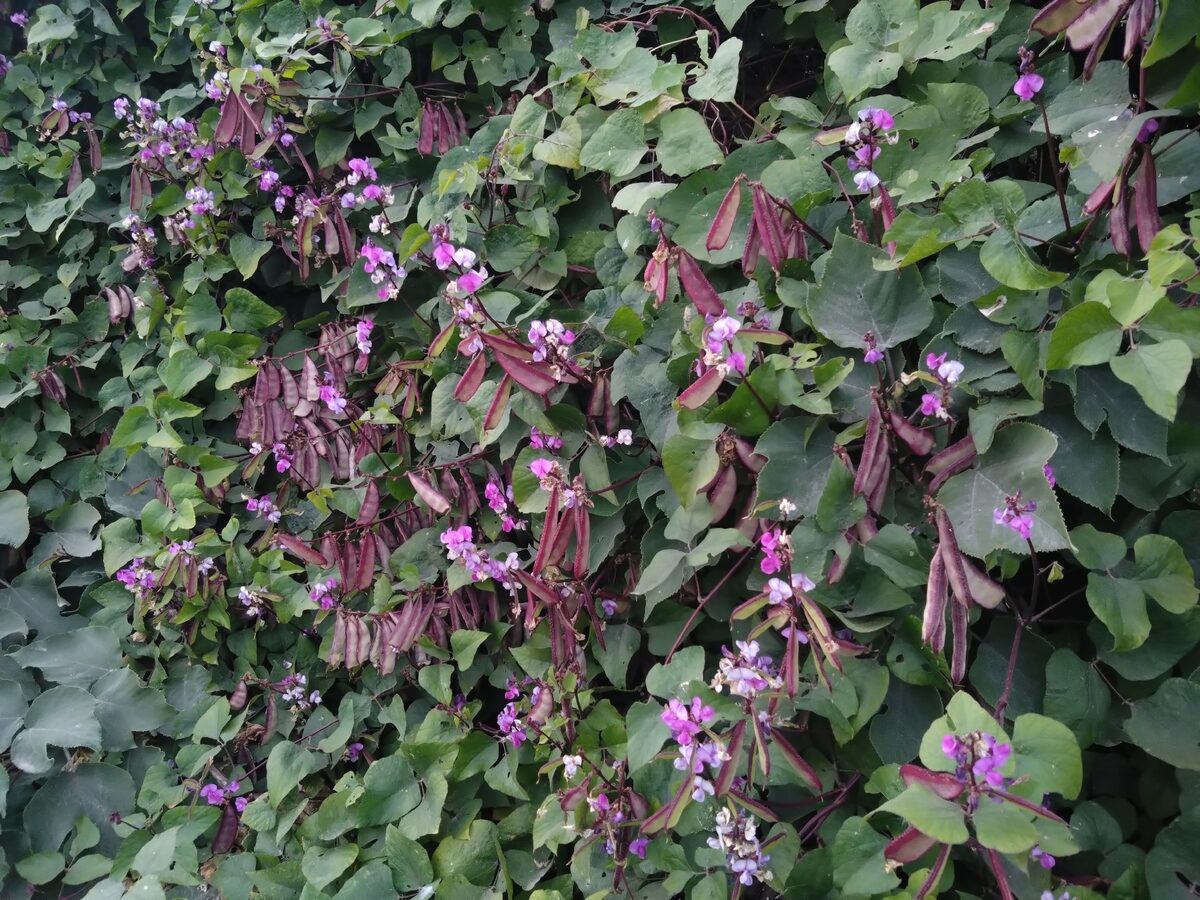
(c) Alexis López Hernández, some rights reserved (CC BY), uploaded by Alexis López Hernández
Summary
Source: WikipediaErythrina poeppigiana, called the mountain immortelle, is a species of flowering plant in the genus Erythrina, native to northern and western South America, and introduced to various places in Central America, the Caribbean, Africa, India and tropical Asia. Its striking display of orange flowers has led to its use as an ornamental street tree. It is the emblematic state tree of Mérida, Venezuela. Widely cultivated, it is a nitrogen fixer and a source of fodder.
Description
A tree. It loses its leaves during the year. It grows 30 m tall. The branches have prickles and the trunk has lumps. The leaves are alternate and compound. They have 3 leaflets each 20 cm long. They are broad with a pointed tip. The flowers are 4-5 cm long. They are shaped like pea flowers. They are orange to red. The fruit is a pod. It is 10-25 cm long. The seeds are brown.
Edible Uses
The flowers are eaten in soups and salads.
Traditional Uses
The flowers are used in soups and salads. Caution: The seeds are probably poisonous.
This uses section is brief — help expand it
Medicinal Uses
None known.
Known Hazards
All Erythrina species contain greater or lesser amounts of toxic alkaloids - these can be found in all parts of the plant but are usually most concentrated in the seeds. Concentrations vary from species to species, in some it is low enough that the plant is safely used as a food. In many, the alkaloids are utilized for their medicinal effects. We have no specific information on the concentration of the alkaloids in this species, but care should be exercised in any use of the plant that involves ingestion. These alkaloids have a curare-like action (obtained from Strychnos species) and can cause paralysis and even death by respiratory failure.
Distribution
It is common in tropical America. It is a native of the Andes in Peru. It grows in the humid lowlands and up to 2,000 m above sea level. At ECHO.
Where It Grows
Africa, Amazon, Andes, Angola, Argentina, Asia, Bolivia, Brazil, Caribbean, Central America, Colombia, Congo DR, Costa Rica, Cuba, Dominican Republic, Ecuador, El Salvador, Guadeloupe, Guatemala, Haiti, Honduras, India, Indonesia, Jamaica, Kenya, Leeward Is., Malaysia, Nicaragua, Nigeria, North America, Panama, Peru, Puerto Rico, Sao Tome and Principe, SE Asia, Sierra Leone, South America*, Suriname, Tanzania, Trinidad-Tobago, Uganda, USA, Venezuela, West Africa, West Indies,
Cultivation
Plants can be grown by seeds and also by cuttings.
Propagation
Soaking seeds in water at room temperature for 24 hours improves germination, which occurs at a rate of approximately 70%. Seed storage is orthodox; seeds may be stored for several years in tightly sealed containers at around 5°C and 30–40% relative humidity. Inoculation with Bradyrhizobium bacteria is not generally required in areas where the plant is native or naturalised, but is recommended when introducing the species to new areas. Air-layering is also possible, with roots typically appearing after about 6 weeks; leaves must be removed before planting, the top cut made at a 45° angle and sealed with paraffin. Cuttings should be over 1.5 metres long, planted to a depth of 30 cm. Stakes from the lower and middle sections of 1–2 year-old branches give the best results.
Other Uses
The tree is frequently planted as a living fence and as a shade tree in coffee, pepper, and cacao plantations, often in combination with Cordia alliodora. It conserves soil and contributes to high, sustainable cacao yields. The tree is valued for its high production of green manure and mulch, the ease with which its shade can be adjusted to suit the main crop, and its ability to tolerate regular coppicing over many years. Green leaves contain 4.1–4.9% nitrogen, making it an excellent green manure species. Nitrogen supplied through pruning residues left on the ground can fulfil recommended nitrogen application rates. For alley cropping, the tree should be planted in dense hedgerows with 1–2 metres between trees and 6–8 metre alleys between rows; this system has sustained two maize crops per year in Costa Rica over 8 years without fertilisation. Coffee and cacao can also be planted alongside the trees. The heartwood is whitish to yellowish and not clearly demarcated from the sapwood. It is thick-textured, straight-grained, light, soft, with poor mechanical properties and low durability, and is used only for low-value items such as crates, pencils, toothpicks, and hardboard raw material. Despite its light weight and low calorific value, it is sometimes used as firewood.
Notes
There are 108 Erythrina species. It is used as shade for cacao and coffee plantations.
Synonyms
Also Known As
Mountain immortal, Pohon dadap popi, Poro, Trinidad kofimama
References (16)
- Burkill, I.H., 1966, A Dictionary of the Economic Products of the Malay Peninsula. Ministry of Agriculture and Cooperatives, Kuala Lumpur, Malaysia. Vol 1 (A-H) p 961
- Facciola, S., 1998, Cornucopia 2: a Source Book of Edible Plants. Kampong Publications, p 104
- Grandtner, M. M., 2008, World Dictionary of Trees. Wood and Forest Science Department. Laval University, Quebec, Qc Canada. (Internet database http://www.wdt.qc.ca)
- Grandtner, M. M. & Chevrette, J., 2013, Dictionary of Trees, Volume 2: South America: Nomenclature, Taxonomy and Ecology. Academic Press p 224
- http://www.ntbg.org/plants/plant details.php
Show all 16 references Hide references
- Kermath, B. M., et al, 2014, Food Plants in the Americas: A survey of the domesticated, cultivated and wild plants used for Human food in North, Central and South America and the Caribbean. On line draft. p 345
- Kew Plants of the World On line
- Kiple, K.F. & Ornelas, K.C., (eds), 2000, The Cambridge World History of Food. CUP p 1762
- Martin, F.W. & Ruberte, R.M., 1979, Edible Leaves of the Tropics. Antillian College Press, Mayaguez, Puerto Rico. p 82
- Morley, B. & Everard, B., 1970, Wild Flowers of the World. Ebury press. Plate 170
- Plants of Haiti Smithsonian Institute http://botany.si.edu/antilles/West Indies
- PROSEA (Plant Resources of South East Asia) handbook, Volume 11, 1997, Auxiliary plants
- Sukarya, D. G., (Ed.) 2013, 3,500 Plant Species of the Botanic Gardens of Indonesia. LIPI p 264
- U.S.D.A. Div. Bot. Bull. 25:57. 1901
- World Checklist of Useful Plant Species 2020. Royal Botanic Gardens, Kew
- Zuchowski W., 2007, Tropical Plants of Costa Rica. A Zona Tropical Publication, Comstock Publishing. p 33