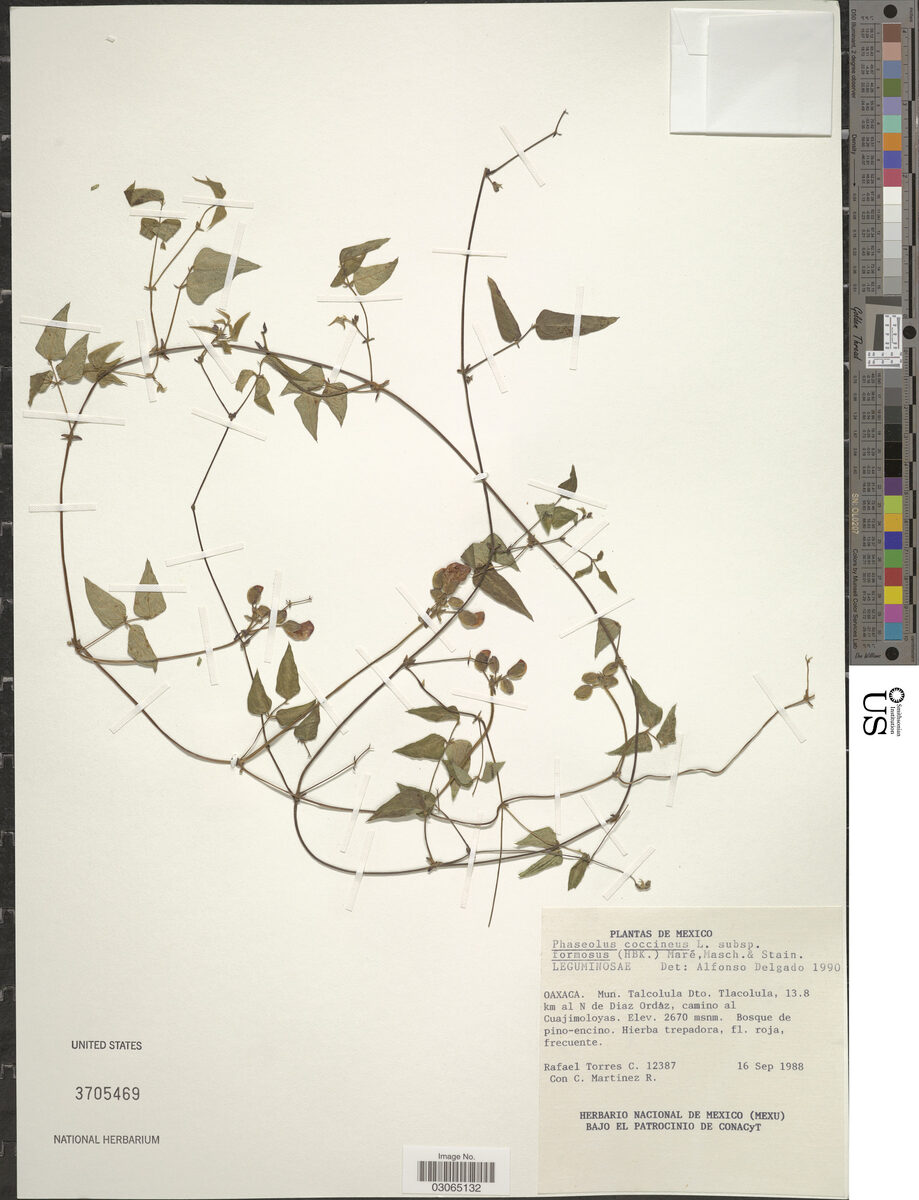
Pisum sativum
L.
Pea
iNaturalist· cc-by-nc-sa
(c) annemirdl, some rights reserved (CC BY-NC-SA)
gbif· cc-by
ashleyrsteel
iNaturalist· cc-by
(c) Rigoberto Ramírez Cortés, some rights reserved (CC BY), uploaded by Rigoberto Ramírez Cortés
iNaturalist· cc-by-nc
(c) Luca Boscain, some rights reserved (CC BY-NC), uploaded by Luca Boscain
iNaturalist· cc-by-nc-sa
(c) Nicozz, some rights reserved (CC BY-NC-SA)
iNaturalist· cc-by-nc
(c) Ken Potter, some rights reserved (CC BY-NC), uploaded by Ken Potter
Summary
Source: WikipediaAn annual legume growing to 2m tall, hardy to UK zone 3. Flowers May to September with seeds ripening July to October. Hermaphrodite, self-fertile, occasionally bee-pollinated. Capable of fixing atmospheric nitrogen. Prefers light sandy and medium loamy well-drained soils. Requires neutral to mildly alkaline pH. Needs full sun and moist soil conditions.
Description
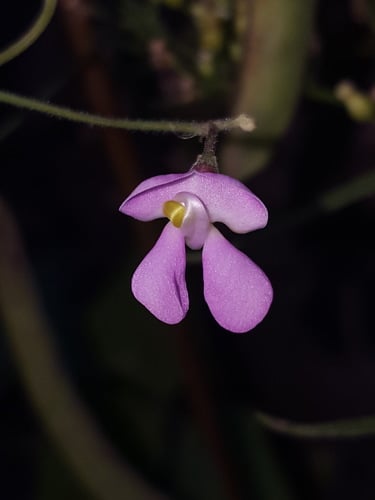
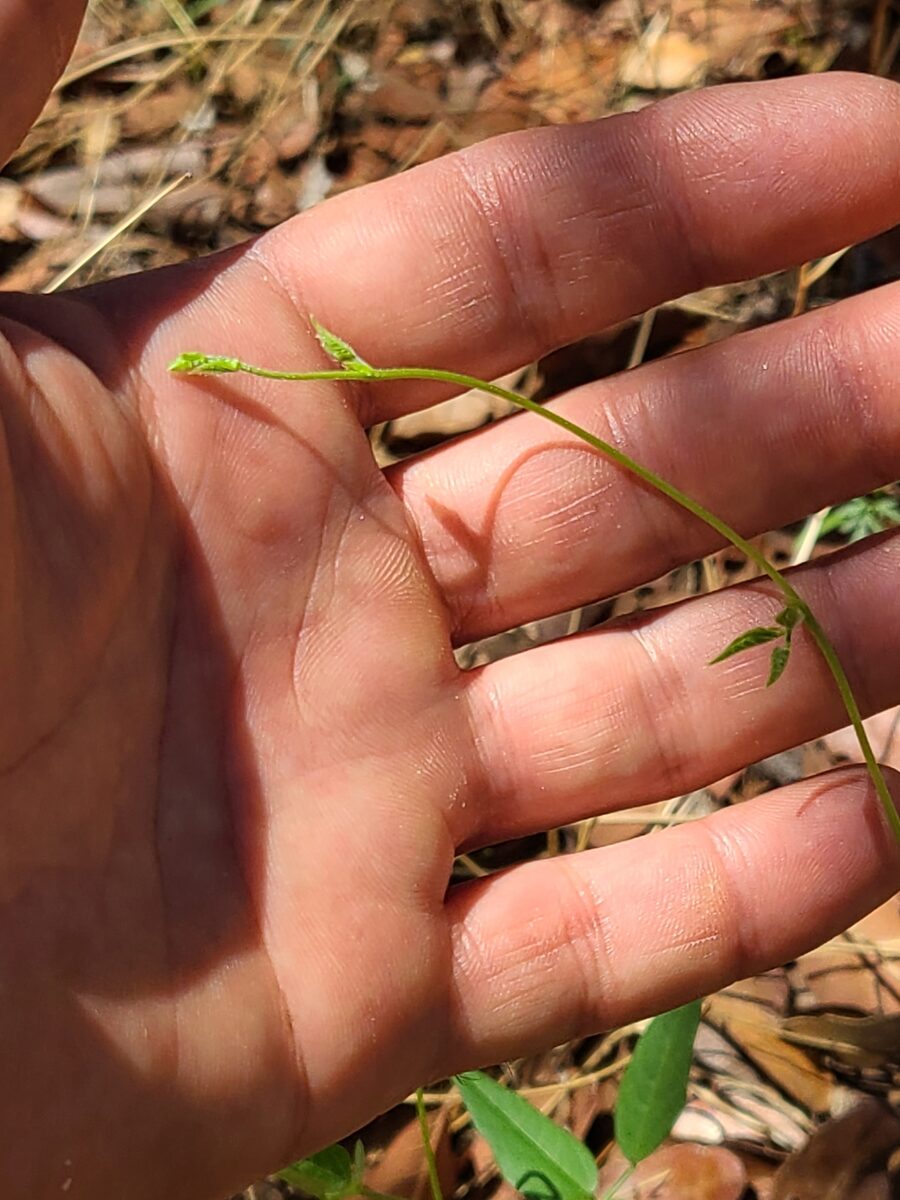
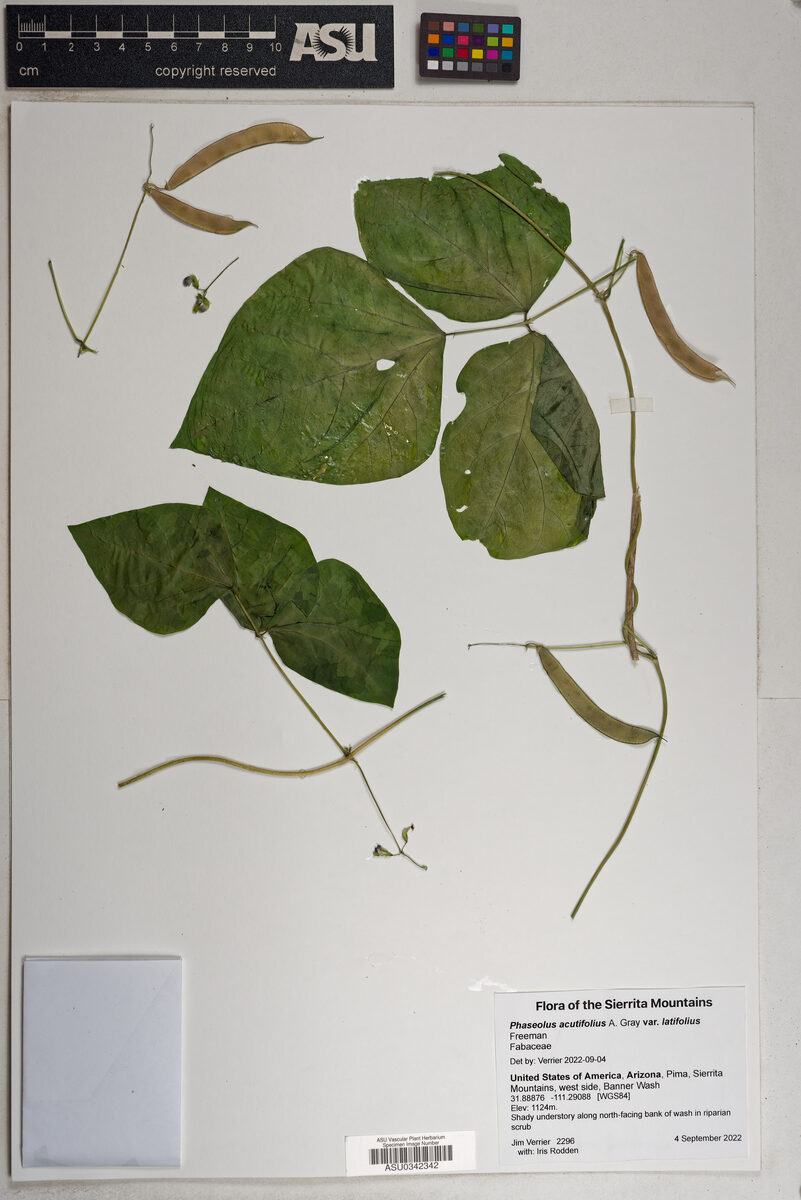
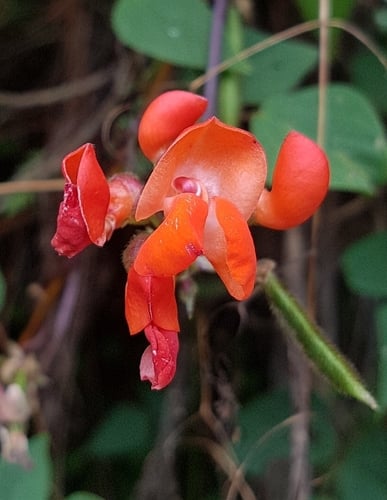
A short lived herb plant. A creeping plant with white or pink flowers. Plants can be 30 cm to 150 cm tall. It has a well developed tap root and many slender side roots. The stem is weak and round. Leaves are made up of 1-3 pairs of leaflets and a branched tendril at the end. There are large leaf like stipules at the base of the leaf. The lower half of these stipules has teeth. The flowers occur in the axils of leaves and are either on their own or in 2-3 flowered clusters with equal length stalks. The flowers are pink or purple in varieties grown for dry seeds and usually white in kinds grown for fresh pods. The pods are swollen and green and can have up to 10 seeds inside. Seed shape can vary. Large numbers of varieties have been recorded. Now Lathyrus oleraceus
Edible Uses
Immature seedpods can be eaten raw or cooked; they have a sweet flavour though the flesh layer is thin with a fibrous layer beneath. Immature seeds are sweet and delicious eaten raw or lightly cooked — good in salads or as a simple vegetable. The mature seeds are protein-rich and can be cooked as a vegetable or added to soups, and may also be sprouted for use in salads and soups. Dried mature seeds can be ground into a powder to boost the protein content of flour for bread-making. The roasted seed serves as a coffee substitute. Leaves and young shoots are cooked and used as a potherb; the young shoots taste like fresh peas, are exceptionally tender, and can also be used raw in salads. Nutritional composition per 100g of fresh green seed (44 calories): water 76.5%, protein 6.2g, fat 0.4g, carbohydrate 16.9g, fibre 2.4g, ash 0.9g; calcium 32mg, phosphorus 102mg, iron 1.2mg, sodium 6mg, potassium 350mg; vitamin A 405mg, thiamine (B1) 0.28mg, riboflavin (B2) 0.11mg, niacin 2.8mg, vitamin C 27mg.
Traditional Uses
Mostly the young seeds are eaten. They can be eaten raw or cooked. Sometimes the young pods and leaves are eaten. The flowers are eaten in salads. The sprouted seeds are eaten. The young leaves and buds are cooked as a vegetable. The dry seeds are eaten. They are used in soups and stews and ground into flour. Roasted seeds are used as a substitute for coffee.
Medicinal Uses
The seed is contraceptive, fungistatic and spermacidal. Dried and powdered seed has been used as a poultice on the skin with appreciable effect on many types of skin complaint, including acne. Seed oil given to women once a month has shown promise as a contraceptive by interfering with the action of progesterone and inhibiting endometrial development. In trials, it reduced pregnancy rates in women by 60% over a two-year period and achieved a 50% reduction in male sperm count.
Known Hazards
Some people experience allergic reactions to peas, with vicilin or convicilin as the most common allergens.
Distribution
A temperate plant. Plants grow best at altitudes over 1000 m in the tropics. They suit a humid climate. Hot dry weather interferes with seed setting. They are frost tolerant except at flowering. A temperate plant. They need temperatures of 13°C to 18°C. They need a pH of 5.5-6.5 and reasonably good fertility. They cannot tolerate waterlogging or very acid soils. They grow to 4,400 m altitude in the Himalayas. It suits hardiness zones 7-9.
Where It Grows
Afghanistan, Africa, Albania, Algeria, Andorra, Argentina, Armenia, Asia, Australia, Austria, Azerbaijan, Balkans, Bangladesh, Belgium, Bhutan, Britain, Bulgaria, Burundi, Cambodia, Canada, Caucasus, Central Africa, Central America, Central Asia, Chile, China, Colombia, Congo, Cuba, Cyprus, Czech Republic, Dominican Republic, East Africa, East Timor, Ecuador, Egypt, Eritrea, Ethiopia, Europe, Fiji, Finland, France, Georgia, Germany, Gibraltar, Greece, Greenland, Guatemala, Haiti, Hawaii, Himalayas, India, Indochina, Indonesia, Iran, Iraq, Israel, Italy, Japan, Jordan, Kazakhstan, Kenya, Korea, Kyrgyzstan, Laos, Lebanon, Libya, Lithuania, Macedonia, Madagascar, Malawi, Malaysia, Marianas, Mauritius, Mediterranean, Mexico, Middle East, Moldova, Mongolia, Morocco, Mozambique, Myanmar, Nepal, Netherlands, New Zealand, Niger, Nigeria, North Africa, North America, Northeastern India, Norway, Pacific, Pakistan, Papua New Guinea, PNG, Peru, Philippines, Portugal, Romania, Russia, Rwanda, Saudi Arabia, Scandinavia, SE Asia, Serbia, Sicily, Sikkim, Slovenia, South Africa, Southern Africa, South America, Spain, Sri Lanka, Sudan, Sweden, Switzerland, Syria, Taiwan, Tajikistan, Tanzania, Tasmania, Thailand, Timor-Leste, Tonga, Tunisia, Turkey, Türkiye, Uganda, Ukraine, Uruguay, USA, Vanuatu, Vietnam, West Africa, West Indies, Yugoslavia, Zambia, Zimbabwe,
Cultivation
Requires a well-drained moisture retentive soil. Prefers a calcareous soil. Prefers a pH in the range 6 to 7.5. Prefers a rich loamy soil. A light soil and a sheltered position is best for early sowings. Peas have long been cultivated as a food crop and a number of distinct forms have emerged which have been classified as follows. A separate record has been made for each form:- P. sativum. The garden pea, including petit pois. Widely cultivated for its sweet-tasting edible immature seeds, as well as the immature seedpods and mature seeds, there are many named varieties and these can provide a crop from May to October. P. sativum arvense. The field pea. Hardier than the garden pea, but not of such good culinary value, it is more often grown as a green manure or for the dried seeds. P. sativum elatius. This is the original form of the species and is still found growing wild in Turkey. P. sativum elatius pumilio. A short, small-flowered form of the above. P. sativum macrocarpon. The edible-pod pea has a swollen, fibre-free and very sweet seedpod which is eaten when immature. The garden pea is widely cultivated and there are many named varieties. There are two basic types of varieties, those with round seeds and those with wrinkled seeds. Round seeded varieties are hardier and can be sown in the autumn to provide an early crop in May or June, wrinkled varieties are sweeter and tastier but are not so hardy and are sown in spring to early summer. Within these two categories, there are dwarf cultivars and climbing cultivars, the taller types tend to yield more heavily and for a longer period but smaller forms are easier to grow, often do not need supports and can give heavier crops from the area of land used (though less from each plant). Cultivars developed for their edible young seeds tend to have pods containing a lot of fibre but some cultivars have now been selected for their larger and fibre-free pods - these cultivars are harder to grow for their seed, especially in damp climates, because the seed has a greater tendency to rot in wet weather. Peas are good growing companions for radishes, carrots, cucumbers, sweet corn, beans and turnips. They are inhibited by alliums, gladiolus, fennel and strawberries growing nearby. There is some evidence that if Chinese mustard (Brassica juncea) is grown as a green manure before sowing peas this will reduce the incidence of soil-borne root rots. This species has a symbiotic relationship with certain soil bacteria, these bacteria form nodules on the roots and fix atmospheric nitrogen. Some of this nitrogen is utilized by the growing plant but some can also be used by other plants growing nearby. When removing plant remains at the end of the growing season, it is best to only remove the aerial parts of the plant, leaving the roots in the ground to decay and release their nitrogen. Pisum sativum (common pea) is typically grown as a cool-season annual and is suited to USDA Hardiness Zones 2 through 9. It is not frost-tender during early stages and can be sown very early in spring, often as soon as the soil is workable. In warmer zones (8–9), it can also be grown as a fall or winter crop, as peas prefer cool temperatures and tend to struggle in the heat of summer. While not a perennial, the plant can tolerate light frosts, especially before flowering. Because of its adaptability and short growing season, Pisum sativum is widely cultivated across a broad range of temperate climates.
Propagation
Pre-soak the seed for 24 hours in warm water, then sow in situ in succession from late winter until early summer. A minimum temperature of 10°C is required for germination, which should occur within 7–10 days. Earlier sowings should use hardy round-seeded varieties; later sowings can use the tastier wrinkle-seeded types. Sowing every 3 weeks provides a continuous supply of fresh young seeds from early summer to early autumn. To grow peas to maturity, sow by mid-spring. Protect seed from mice. A further sowing can be made in mid to late autumn, timed so plants reach 15–20cm before the coldest part of winter sets in; they should then overwinter well and grow away rapidly in spring. Choose a suitably hardy variety for this autumn sowing.
Other Uses
As a nitrogen-fixing legume, the common pea improves soil fertility through a symbiotic relationship with Rhizobium bacteria in its root nodules, making it valuable as a green manure or cover crop in organic and regenerative farming systems. Plant residues after harvest contribute organic matter that enhances soil structure and microbial life. Its climbing habit makes it useful in polycultures and companion planting. The flowers attract bees and beneficial insects, including predatory wasps, particularly in early spring. Dried pea vines have been used as livestock bedding, and fibrous stems can be added to mulch or compost.
Other Information
It is a commercially cultivated vegetable. Gaining importance in some highlands areas in the tropics. About 20 million tons of peas are grown each year worldwide.
Notes
There are 2 Pisum species.
Nutrition
| Part | Moisture | kJ | kcal | Protein | Vit A | Vit C | Iron | Zinc |
|---|---|---|---|---|---|---|---|---|
| Seed - raw | 78.5 | 283 | 68 | 5.8 | 300 | 25 | 1.9 | 0.7 |
| Seed - boiled | 80 | 223 | 53 | 5 | 300 | 15 | 1.2 | 0.5 |
| Leaves | — | — | — | 89 | — | — | — | — |
| Leaves - dry | 3.3 | — | — | 46.6 | — | — | — | — |
Synonyms
Also Known As
Alverja, Amu bola kadala, Aveja, Bakile jispa, Batagadle, Batani, Chana, Chicharo, Endou mame, Erbse, Ercis, Ervilha, Gartenerbse, Guisante, He lan dou, Kacang manis, Kachhe, Kalixatuna, Keraun, Keyagu, Matar, Mattar, Mukhudo, Patanlu, Pattani, Pe-leikpya, Pe-sa-u, Pe-si-lon, Pisello, Pisu, Pois, Sadawpe, Sakil, San-too-see, Satila, Sitsaro, Thua lantao, Tian wan dou, To-kam, Tsing tau, Wan dou, Wandu, Wan-du-si, Watani
References (77)
- Ali, A. M. S., 2005, Homegardens in Smallholder Farming Systems: Examples from Bangladesh. Human Ecology, Vol. 33, No. 2 pp. 245-270
- Al-Qura'n, S. A., 2010, Ethnobotanical and Ecological Studies of Wild Edible Plants in Jordan. Libyan Agriculture Research Center Journal International 1(4):231-243
- Ambasta, S.P. (Ed.), 2000, The Useful Plants of India. CSIR India. p 463
- Anderson, E. F., 1993, Plants and people of the Golden Triangle. Dioscorides Press. p 218
- Ara, R. I. T., 2015, Leafy Vegetables in Bangladesh. Photon eBooks. p 81
Show all 77 references Hide references
- Bernholt, H. et al, 2009, Plant species richness and diversity in urban and peri-urban gardens of Niamey, Niger. Agroforestry Systems 77:159-179
- Bianchini, F., Corbetta, F., and Pistoia, M., 1975, Fruits of the Earth. Cassell. p 40
- Blamey, M and Grey-Wilson, C., 2005, Wild flowers of the Mediterranean. A & C Black London. p 92
- Bodkin, F., 1991, Encyclopedia Botanica. Cornstalk publishing, p 805
- Burkill, H. M., 1985, The useful plants of west tropical Africa, Vol. 3. Kew.
- Burkill, I.H., 1966, A Dictionary of the Economic Products of the Malay Peninsula. Ministry of Agriculture and Cooperatives, Kuala Lumpur, Malaysia. Vol 2 (I-Z) p 1788
- Bussman, R. W., et al, 2016, A comparative ethnobotany of Khevsureti, Samtskhe-Javakheti, Tusheti, Svaneti, and Racha-Lechkhumi, Republic of Georgia (Sakartvelo), Caucasus. Journal of Ethnobiology and Ethnomedicine (2016) 12:4
- Bussman, R. W. et al, 2017, Ethnobotany of Samtskhe-Javakheti, Sakartvelo (Republic of Georgia), Caucasus. Indian Journal of Traditional Knowledge Vol. 16(1) pp 7-24
- Bussman, R. W., et al, 2021, Unity in diversity—food plants and fungi of Sakartvelo (Republic of Georgia), Caucasus. Journal of Ethnobiology and Ethnomedicine (2021) 17:72 p 10
- Cheifetz, A., (ed), 1999, 500 popular vegetables, herbs, fruits and nuts for Australian Gardeners. Random House p 90
- Chin, H. F., 1999, Malaysian Vegetables in Colour. Tropical Press. p 76
- Cundall, P., (ed.), 2004, Gardening Australia: flora: the gardener's bible. ABC Books. p 1054
- Davies, D.R., 1979, Peas, in Simmonds N.W.,(ed), Crop Plant Evolution. Longmans. London. p 172
- Demir, I. & Ayaz, N., 2022, Wild edible plants contributing to the traditional foods of Mardin (Turkey) Province. Indian Journal of Traditional Knowledge Vol 21(3), July 2022, pp 569-582
- Facciola, S., 1998, Cornucopia 2: a Source Book of Edible Plants. Kampong Publications, p 109
- Foo, J.T.S.(ed), 1996, A Guide to Common Vegetables. Singapore Science Foundation. p 92
- Fowler, D. G., 2007, Zambian Plants: Their Vernacular Names and Uses. Kew. p 39
- French, B.R., 1986, Food Plants of Papua New Guinea, A Compendium. Asia Pacific Science Foundation p 42
- French, B.R., 2010, Food Plants of Solomon Islands. A Compendium. Food Plants International Inc. p 56
- Gabrielian, E. & Zohary, D.: Wild relatives of food crops native to Armenia and Nakhichevan. — Fl. Medit. 14: 5-80. 2004. — ISSN 1120-4052.
- Galalaey, A. M. K., et al, 2021, Ethnobotanical study of some wild edible plants in Hujran Bason, Kurdistan Region of Iraq. ZANCO Journal of Pure and Applied Sciences. Salahaddin University-Erbil p 27
- Grubben, G. J. H. and Denton, O. A. (eds), 2004, Plant Resources of Tropical Africa 2. Vegetables. PROTA, Wageningen, Netherlands. p 413
- Hadfield, J., 2001, The A-Z of Vegetable Gardening in South Africa. Struik p 115
- Hedrick, U.P., 1919, (Ed.), Sturtevant's edible plants of the world. p 503
- Hermandez Bermejo, J.E., and Leon, J. (Eds.), 1994, Neglected Crops. 1492 from a different perspective. FAO Plant Production and Protection Series No 26. FAO, Rome. p 299
- Hu, Shiu-ying, 2005, Food Plants of China. The Chinese University Press. p 480
- ILDIS Legumes of the World http:www:ildis.org/Legume/Web
- Jabeen, A., et al, 2009, Indigenous uses of economically important flora of Margallah Hills National Park, Islamabad, Pakistan. African Journal of Biotechnology Vol. 8 (5), pp. 763-784
- Jardin, C., 1970, List of Foods Used In Africa, FAO Nutrition Information Document Series No 2.p 28, 95
- Jha, P. K., et al, 1996, Plant genetic resources of Nepal: A guide for plant breeders of agricultural, horticultural and forestry crops. Euphytica 87:189-210
- Kays, S. J., and Dias, J. C. S., 1995, Common Names of Commercially Cultivated Vegetables of the World in 15 languages. Economic Botany, Vol. 49, No. 2, pp. 115-152
- Khodram,S. D., et al, 2019, Local knowledge of edible flowers used in Mizoram. Indian Journal of Traditional Knowledge Vol 18(40 pp 715-723
- Kiple, K.F. & Ornelas, K.C., (eds), 2000, The Cambridge World History of Food. CUP p 1830
- Kumar, A., et al, 2012, Ethnobotanical Edible Plant Biodiversity of Lepcha Tribes. Indian Forester, 138 (9):798-803
- Larkcom, J., 1991, Oriental Vegetables, John Murray, London, p 106
- Lazarides, M. & Hince, B., 1993, Handbook of Economic Plants of Australia, CSIRO. p 191
- Macmillan, H.F. (Revised Barlow, H.S., et al), 1991, Tropical Planting and Gardening. Sixth edition. Malayan Nature Society. Kuala Lumpur. p 367
- Manandhar, N.P., 2002, Plants and People of Nepal. Timber Press. Portland, Oregon. p 367
- Martin, F.W. & Ruberte, R.M., 1979, Edible Leaves of the Tropics. Antillian College Press, Mayaguez, Puerto Rico. p 200
- Medhi, P. & Borthakur, S. K., 2012, Phytoresources from North Cachur Hills of Assam -3: Edible plants sold at Hflong market. Indian Journal or Natural Products and Resources. 3(1) pp 84-109
- Molares, S. & Ladio, A., 2012, The Usefulness of Edible and Medicinal Fabaceae in Argentine and Chilean Patagonia: Environmental Availability and Other Sources of Supply. Evidence-Based Complementary and Alternative Medicine. Volume 2012, Article ID 901918, 12 pages, Hindawi Publishing Corporation.
- Molla, A., Ethiopian Plant Names. http://www.ethiopic.com/aplants.htm
- Ochse, J.J. et al, 1931, Vegetables of the Dutch East Indies. Asher reprint. p 421
- Pasta, S., et al, 2020, An Updated Checklist of the Sicilian Native Edible Plants: Preserving the Traditional Ecological Knowledge of Century-Old Agro-Pastoral Landscapes. Frontiers in Plant Science. Volume 11|Article 388 (As subsp. biflorum)
- Pena, F. B., et al, 1998, Los quelites de la Sierra Norte de Puebla, Mexico: Inventory Y Formas de Preparacion. Bol. Soc. Bot. Mexico 62:49-62
- Pham-Hoang Ho, 1999, An Illustrated Flora of Vietnam. Nha Xuat Ban Tre. p 979
- Plants for a Future database, The Field, Penpol, Lostwithiel, Cornwall, PL22 0NG, UK. http://www.scs.leeds.ac.uk/pfaf/
- Plants of Haiti Smithsonian Institute http://botany.si.edu/antilles/West Indies
- Polunin, O., & Stainton, A., 2006, Flowers of the Himalaya, Oxford India Paperbacks. p 102
- Purseglove, J.W., 1968, Tropical Crops Dicotyledons, Longmans. p 311
- Ruiters-Welcome, A. K., 2019, Food plants of southern Africa. Ph.D. thesis. Univ. of Johannesburg p 59
- Shah, S. K., 2014, Dietary contribution of underutilized minor crops and indigenous plants collected from uncultivated lands and forests in Nepal. in Promotion of Underutilized Indigenous Food Resources for Food Security and Nutrition in Asia and Pacific. FAO. Bangkok p 64
- Sharma, B.B., 2005, Growing fruits and vegetables. Publications Division. Ministry of Information and broadcasting. India. p 201
- Sillitoe, P. 1995, An Ethnobotanical Account of the Plant Resources of the Wola Region, Southern Highlands Province, Papua New Guinea. J. Ethnobiol. 15(2): 201-235
- Small, E., 2009, Top 100 Food Plants. The world's most important culinary crops. NRC Research Press. p 401
- Solomon, C., 2001, Encyclopedia of Asian Food. New Holland. p 209
- Song, M., et al, 2013, Traditional knowledge of wild edible plants in Jeju Island, Korea. Indian Journal of Traditional Knowledge. 12(2) pp 177-194
- Sp. pl. 2:727. 1753
- Staples, G.W. and Herbst, D.R., 2005, A tropical Garden Flora. Bishop Museum Press, Honolulu, Hawaii. p 321
- Termote, C., et al, 2014, Assessing the potential of wild foods to reduce the cost of a nutritionally adequate diet: An example from eastern Baringo District, Kenya. Food and Nutrition Bulletin, vol. 35, no. 4
- Terra, G.J.A., 1973, Tropical Vegetables. Communication 54e Royal Tropical Institute, Amsterdam, p 67
- Tindall, H.D., 1983, Vegetables in the Tropics, Macmillan p 284
- USDA, ARS, National Genetic Resources Program. Germplasm Resources Information Network - (GRIN). [Online Database] National Germplasm Resources Laboratory, Beltsville, Maryland. Available: www.ars-grin.gov/cgi-bin/npgs/html/econ.pl (10 April 2000)
- van Wyk, B., 2005, Food Plants of the World. An illustrated guide. Timber press. p 300
- Verdcourt, B., 1979, Manual of New Guinea Legumes. Botany Bulletin No 11, Division of Botany, Lae, Papua New Guinea. p 562
- Vickery, M.L. and Vickery, B., 1979, Plant Products of Tropical Africa, Macmillan. p 22
- Welcome, A. K. & Van Wyk, B.-E., 2019, An inventory and analysis of the food plants of southern Africa. South African Journal of Botany 122 (2019) 136–179
- Wiersema, J. H. & Leon, B., 2013, World Economic Plants. A Standard Reference CRC Press. 2nd Ed. p 537
- Williamson, J., 2005, Useful Plants of Malawi. 3rd. Edition. Mdadzi Book Trust. p 202
- Yeshi, K. et al, 2017, Taxonomical Identification of Himalayan Edible Medicinal Plants in Bhutan and the Phenolic Contents and Antioxidant Activity of Selected Plants. TBAP 7 (2) 2017 pp 89 - 106
- Zeven, A. C. & de West, J. M. J., 1982, Dictionary of cultivated plants and their regions of diversity. Wageningen. p 96, 115
- Zhang, L., et al, 2016, Ethnobotanical study of traditional edible plants used by the Naxi people during droughts. Journal of Ethnobiology and Ethnomedicine. 12:39