Acacia craspedocarpa
F. Muell.
Hop mulga, Broad-leaved Mulga
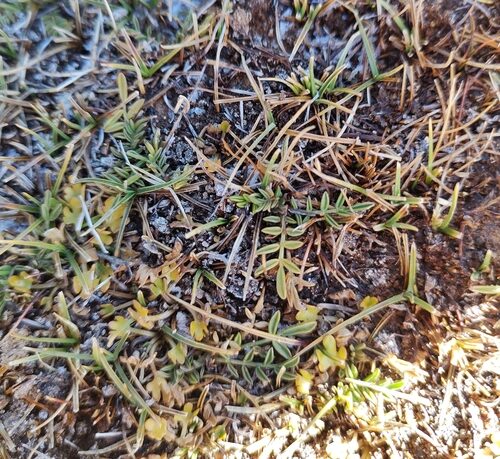
iNaturalist· cc-by-nc
(c) Jean Hort, some rights reserved (CC BY-NC), uploaded by Jean Hort
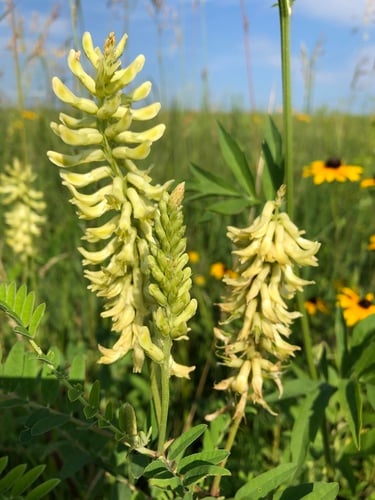
iNaturalist· cc-by-nc
(c) Jean Hort, some rights reserved (CC BY-NC), uploaded by Jean Hort
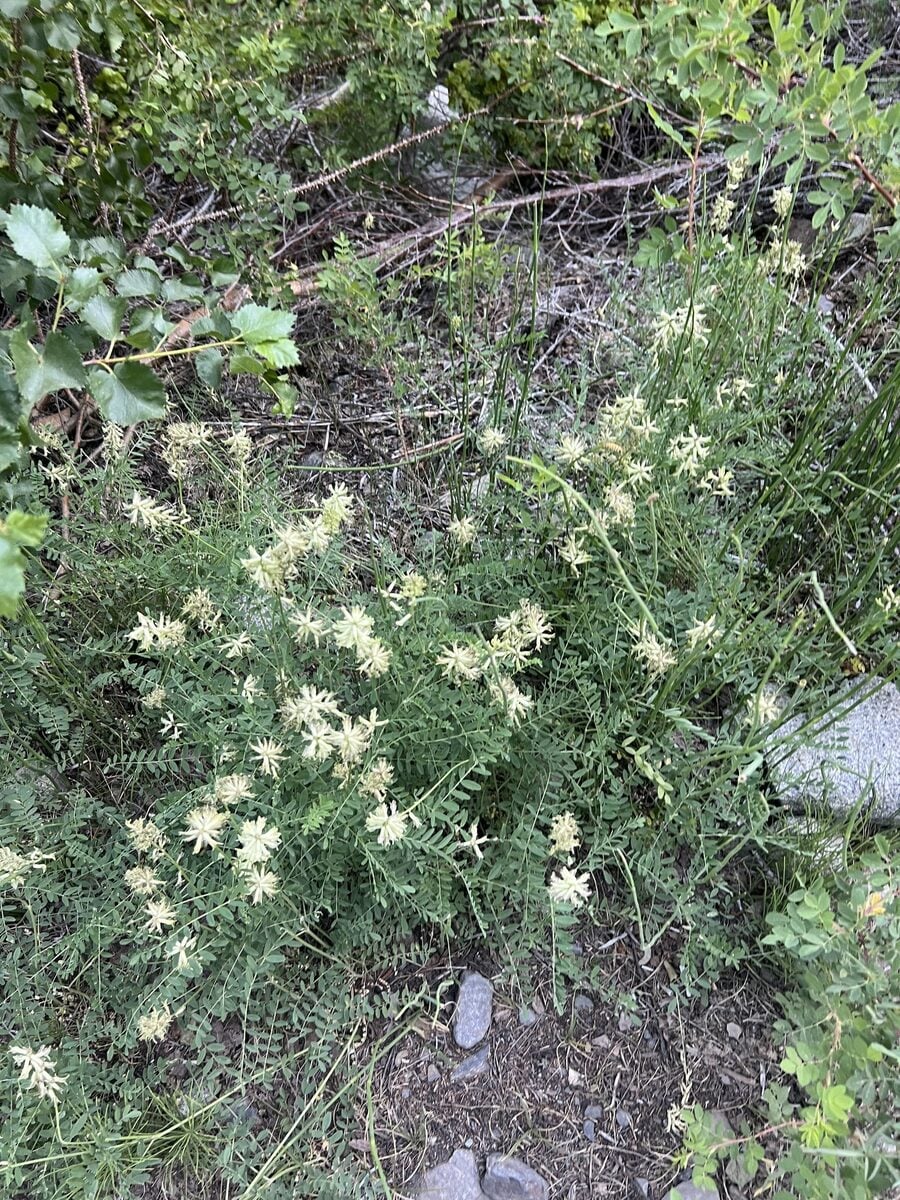
iNaturalist· cc-by-nc
(c) Jean Hort, some rights reserved (CC BY-NC), uploaded by Jean Hort
Summary
Source: WikipediaAcacia craspedocarpa, commonly known as hop mulga or broad-leaved mulga, is a species of flowering plant in the family Fabaceae and is endemic to central parts of Western Australia. It is a dense, rounded or cone-shaped shrub with dark brown to black branchlets, elliptic to oblong, egg-shaped phyllodes, spikes of yellow flowers and stalkless, thickly leathery, winged pods.
Description
A shrub or small tree. It grows 5 m tall. There are prickles along the stem. The leaves are twice divided and there are 8-18 pairs of pinnae. There are up to 50 pairs of pinnules on each pinnae. The flowers are yellow. They are in large clusters at the ends of branches. The pods are flattened.
Edible Uses
The young seeds can be eaten raw and are popular as food.
Traditional Uses
The young seeds can be eaten raw. They are popular.
This uses section is brief — help expand it
Distribution
It prefers light well drained soils. It suits sunny positions but can grow with partial shade. It can tolerate drought and frost. It commonly occurs on floods plains and in deep soils near watercourses.
Where It Grows
Australia*,
Cultivation
It is grown from seed. The seed needs treatment to break the hard seed coat. Normally this is by putting the seeds in very hot water and letting the water cool down overnight then planting the seeds immediately.
Production
Flowering is commonly August to October.
Notes
There are about 1,350 Acacia species. Over 1,000 occur in Australia. Also as Mimosaceae.
References (6)
- Bodkin, F., 1991, Encyclopedia Botanica. Cornstalk publishing, p 13
- Bindon, P., 1996, Useful Bush Plants. Western Australian Museum. p 11
- Chem. & Druggist (Australas.) 2:73. 1887
- Elliot, W.R., & Jones, D.L., 1982, Encyclopedia of Australian Plants suitable for cultivation. Vol 2. Lothian. p 36
- Lazarides, M. & Hince, B., 1993, Handbook of Economic Plants of Australia, CSIRO. p 2
Show all 6 references Hide references
- Paczkowska, G . & Chapman, A.R., 2000, The Western Australian Flora. A Descriptive Catalogue. Western Australian Herbarium. p 303