Acacia crassicarpa
A. Cunn. ex Benth.
Lancewood, Hickory Wattle, Thick-podded salwood
iNaturalist· cc-by-nc
(c) Graham Bell, some rights reserved (CC BY-NC), uploaded by Graham Bell
iNaturalist· cc-by
(c) elawrey, some rights reserved (CC BY), uploaded by elawrey
iNaturalist· cc-by
(c) elawrey, some rights reserved (CC BY), uploaded by elawrey
Summary
Source: WikipediaAcacia crassicarpa, commonly known as thick-podded salwood, lancewood, northern golden wattle or northern wattle, is a species of flowering plant in the family Fabaceae and is native to Queensland, Australia and New Guinea. It is a tree with lance-shaped, more or less sickle-shaped phyllodes, spikes of pale to light golden yellow flowers and flat, narrowly oblong to oblong, winged pods.
Description
A shrub or small tree. It grows 5 m tall. There are prickles along the stem. The leaves are twice divided and there are 8-18 pairs of pinnae. There are up to 50 pairs of pinnules on each pinnae. The flowers are yellow. They are in large clusters at the ends of branches. The pods are flattened.
Edible Uses
An edible gum is obtained from the tree. This can be used to form a tofee (I assume this is a mis-spelling for toffee and not tofu) when soaked in water with honey. The roots are cooked and eaten.
Traditional Uses
The young roots are roasted and eaten. The seeds are roasted and eaten.
This uses section is brief — help expand it
Medicinal Uses
The gum, roots, leaves, bark. pods and seeds have been used by aboriginal Australians in decoction, poultice, tonics or inhalations for the treatment of a variety of ailments including diarrhoea, dysentery, sore eyes, colds, sore eyes and skin conditions. The bark of all Acacia species contains greater or lesser quantities of tannins and are astringent. Astringents are often used medicinally - taken internally, for example. they are used in the treatment of diarrhoea and dysentery, and can also be helpful in cases of internal bleeding. Applied externally, often as a wash, they are used to treat wounds and other skin problems, haemorrhoids, perspiring feet, some eye problems, as a mouth wash etc. Many Acacia trees also yield greater or lesser quantities of a gum from the trunk and stems. This is sometimes taken internally in the treatment of diarrhoea and haemorrhoids.
Known Hazards
Some Acacia species contain compounds in seeds that may require proper preparation; seeds have a hard coat requiring treatment before germination.
Distribution
A tropical plant. It mostly occurs in the tropics in Australia and Papua New Guinea. In Papua New Guinea it occurs in the dry Western province regions. It prefers light soils in an open sunny position. It can resist drought and frost. But it grows better with extra water during dry periods. It mostly occurs in coastal regions up to 30 m altitude. It suits hardiness zones 10-12.
Where It Grows
Australia, China, Indochina, Indonesia, Malaysia, Pacific, Papua New Guinea, PNG, SE Asia, Thailand,
Cultivation
It is grown from seed. Seed need treatment to break the hard seed coat. Normally this is by putting the seeds in very hot water and letting the water cool down overnight then planting the seeds immediately. The pods occur in October to November.
Propagation
Seed - requires pre-treatment to break down the hard coat. Pouring a small amount of boiling water over the seeds (which cools down quickly and so does not cook the seed), and then leaving to soak for 12 hours is usually effective, as is making a small incision in the coat to allow water to penetrate. Germination levels of 40 - 80% take place in 6 - 15 days. Treated seeds are sown in germination beds, and seedlings are transplanted into polythene bags when they reach the 2-leaf-pair stage. Seeds can also be sown straight into polythene bags. Young seedlings should initially be kept at 50% sunlight, but this can be increased to 70% once they have been established. In general, 3 - 4 months are needed to raise seedlings to a plantable size, 25 cm in height. Seeds stored in airtight containers at room temperature retain their viability for several years. Cuttings. Air layering.
Other Uses
The sapwood is pale yellowish-brown and the heartwood golden-brown. The wood is hard, strong and durable. It is used for construction, furniture, flooring, board and boat building. It appears suitable for pulping, but more study is required to confirm this use. The wood dries out moderately rapidly, burns well and is useful for firewood and for making charcoal, although it sparks at ignition and produces some fly ash and smoke during flaming. Its energy value is 22 600 kJ/kg. The tree provides shade and can be planted for weed control. It is often cited as an effective species for the rehabilitation of land infested with Imperata cylindrica. In Papua New Guinea, it is reported to be a very vigorous colonizer of degraded soils following shifting cultivation. It could be used for the revegetation and fixation of coastal sand dunes and for shelterbelts. The leaves decompose slowly and are useful as mulch.
Other Information
It is used for food in Australia but it is not known if it is used for food in Papua New Guinea.
Notes
There are about 1,350 Acacia species. Over 1,000 occur in Australia. Also as Mimosaceae.
Synonyms
Also Known As
Brown sandalwood, New Guinea red wattle, Northern golden wattle, Red wattle, Thick-podded salwood, Woodypod wattle
References (19)
- Bodkin, F., 1991, Encyclopedia Botanica. Cornstalk publishing, p 13
- Calvert, G., 2010, The Burdekin Delta Tree Guide. Lower Burdekin Landcare Association., Inc., Ayr p 17
- Cherikoff V. & Isaacs, J., The Bush Food Handbook. How to gather, grow, process and cook Australian Wild Foods. Ti Tree Press, Australia p 47
- Cribb, A.B. & J.W., 1976, Wild Food in Australia, Fontana. p 137
- Cundall, P., (ed.), 2004, Gardening Australia: flora: the gardener's bible. ABC Books. p 74
Show all 19 references Hide references
- Doran, J.C., & Turnbull, J.W. (Eds), 1997, Australian Trees and Shrubs: species for land rehabilitation and farm plantings in the tropics. ACIAR Monograph No 24. p 136
- Elliot, W.R., & Jones, D.L., 1982, Encyclopedia of Australian Plants suitable for cultivation. Vol 2. Lothian. p 36
- Havel, J.J., 1975, Forest Botany, Volume 3 Part 2 Botanical taxonomy. Papua New Guinea Department of Forests, p 103
- Hinton, B & B., 1982, A Wilderness in Bloom. Wildflowers of tropical Australia. p 6
- Jackes, B.R., 2001, Plants of the Tropics. Rainforest to Heath. An Identification Guide. James Cook University. p 64
- Lazarides, M. & Hince, B., 1993, Handbook of Economic Plants of Australia, CSIRO. p 3
- Lim, T. K., 2015, Edible Medicinal and Non Medicinal Plants. Volume 9, Modified Stems, Roots, Bulbs. Springer p 2
- London J. Bot. 1:379. 1842
- Scarth-Johnson, V., 2000, National Treasures. Flowering Plants of Cooktown and Northern Australia. Vera Scarth-Johnson Gallery Association. Cooktown, Australia. p 67
- Townsend, K., 1994, Across the Top. Gardening with Australian Plants in the tropics. Society for Growing Australian Plants, Townsville Branch Inc. p 51
- Townsend, K., 1999, Field Guide to Plants of the Dry Tropics. Society for Growing Australian Plants, Townsville Branch Inc. p 13
- Verdcourt, B., 1979, Manual of New Guinea Legumes. Botany Bulletin No 11, Division of Botany, Lae, Papua New Guinea. p 166
- Williams, K.A.W., 1999, Native Plants of Queensland Volume 4. Keith A.W. Williams North Ipswich, Australia. p 12
- World Checklist of Useful Plant Species 2020. Royal Botanic Gardens, Kew
More from Fabaceae
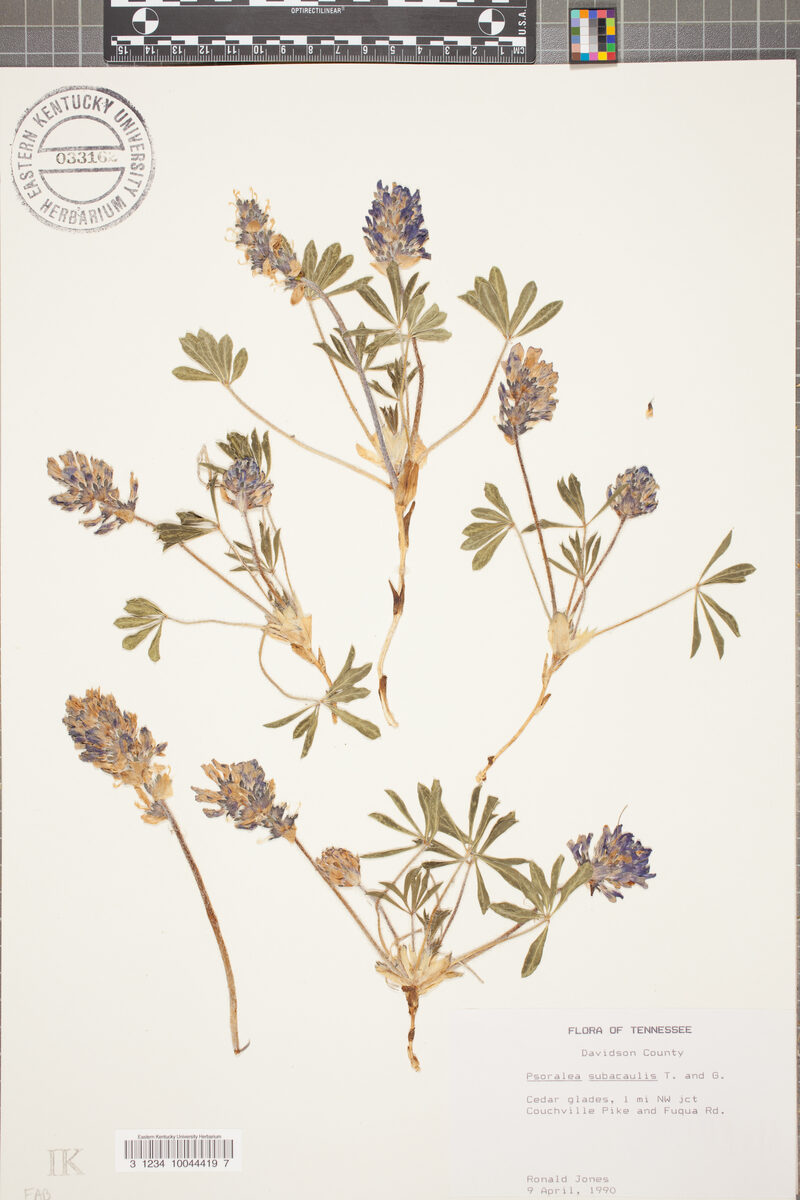
Psoralea subacaulis
Whiterim scurfpea
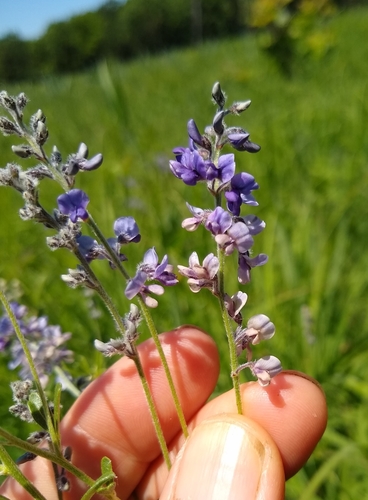
Psoralea tenuiflora
Slender-flower Lemonweed
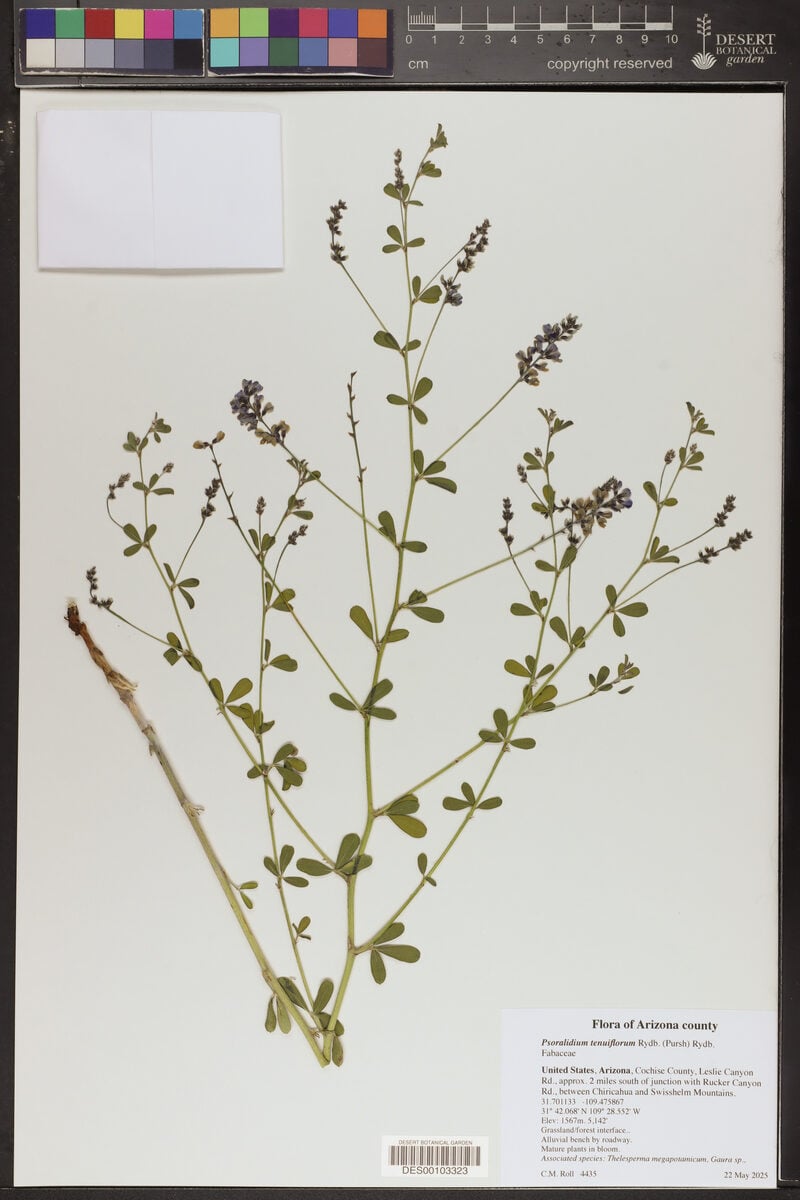
Psoralidium tenuiflorum - (Pursh) A.N.Egan & Reveal
Slender Scurfy Pea
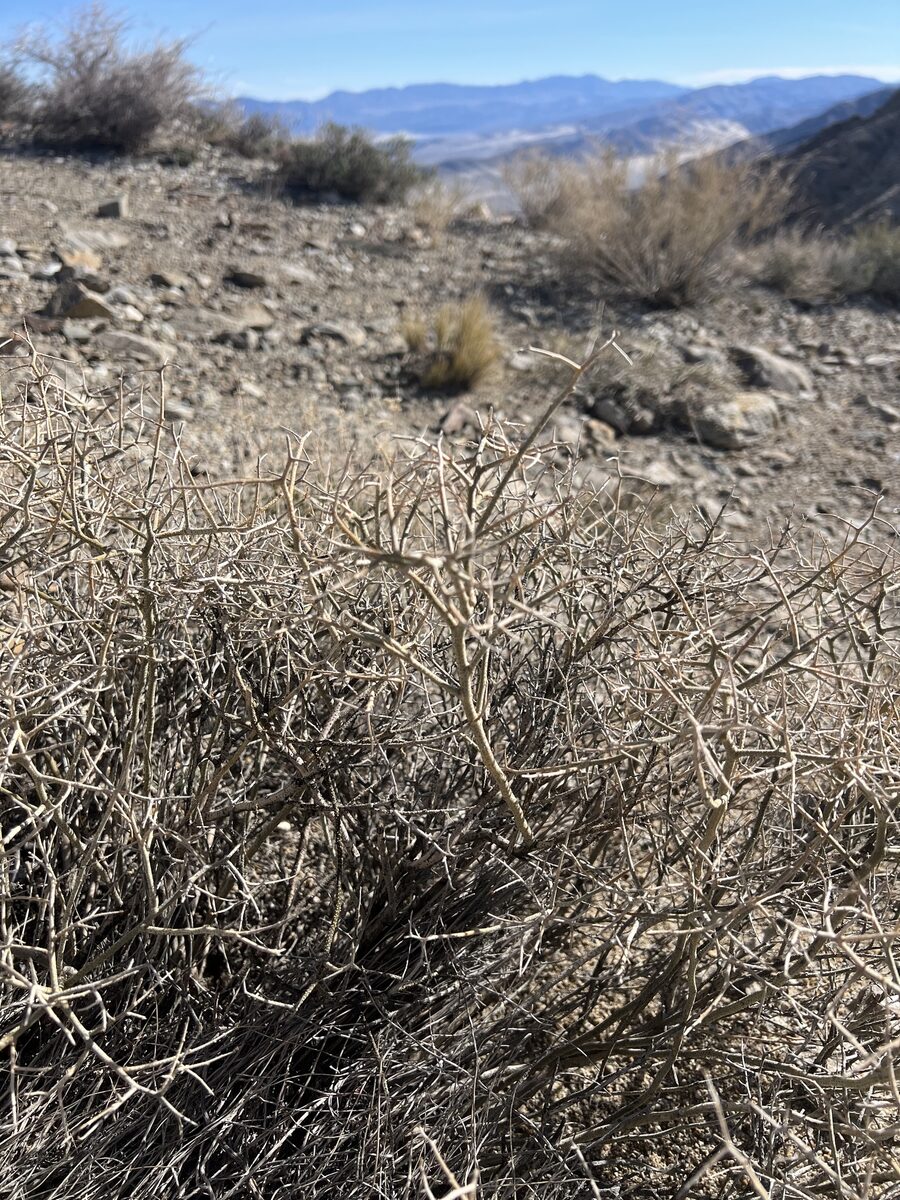
Psorothamnus polydenius - (Torr. ex S.Watson) Rydb.
Nevada smokebush
Pterocarpus angolensis
Bloodwood
Pterocarpus dalbergioides
Andaman padauk, Andaman redwood