Acacia confusa
Merr.
iNaturalist· cc0
no rights reserved, uploaded by 葉子
iNaturalist· cc0
no rights reserved, uploaded by 葉子
iNaturalist· cc-by
(c) lansan, some rights reserved (CC BY), uploaded by lansan
Summary
Source: WikipediaAcacia confusa is a perennial tree native to South-East Asia. Some common names for it are ayangile, small Philippine acacia, Formosa acacia (Taiwan acacia), Philippine Wattle, and Formosan koa. It grows to a height of 15 m. The tree has become very common in many tropical Pacific areas, including Hawaii, where the species is considered invasive.
Description
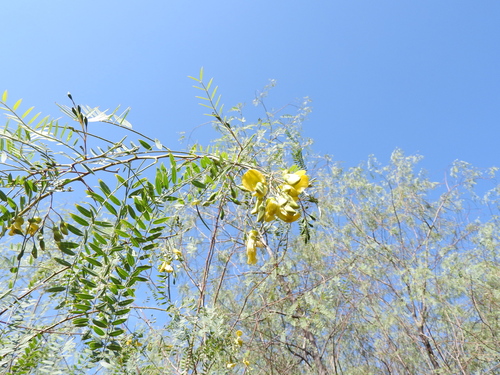
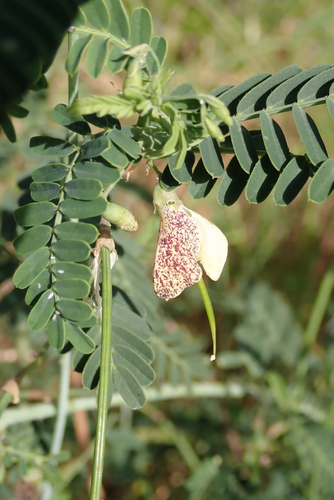
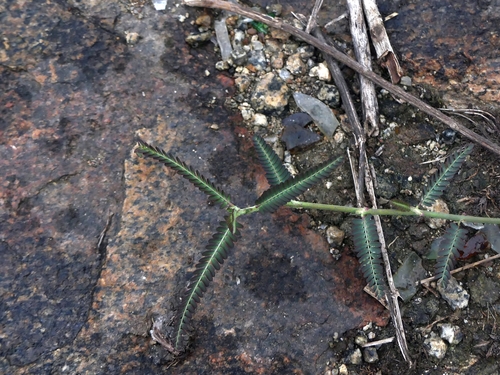
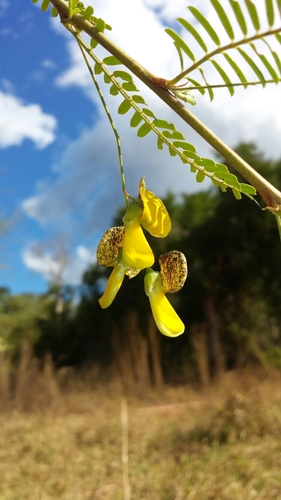
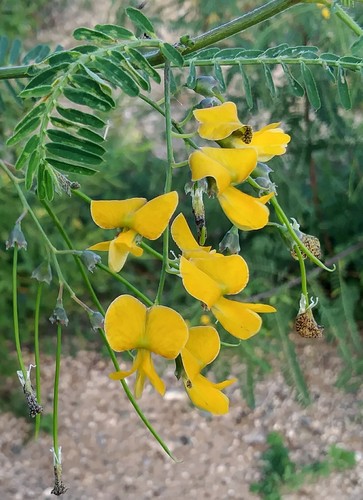
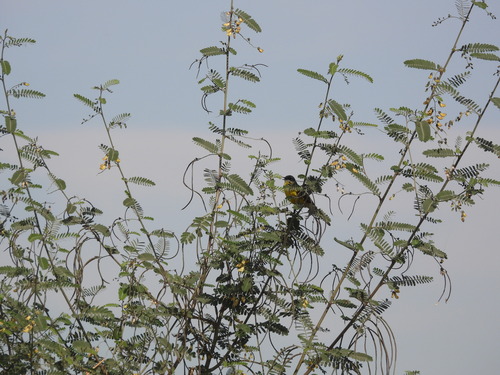
Acacia confusa is a shrub or small tree in the Fabaceae family growing to 5 m tall, with prickles along the stem, twice-divided leaves with 8-18 pairs of pinnae (each with up to 50 pairs of pinnules), yellow flowers in large clusters at branch ends, and flattened pods.
Traditional Uses
Caution: The seeds are poisonous.
This uses section is brief — help expand it
Medicinal Uses
The wood has a density of about 0.75 g/cm3. In Taiwan, its wood was used to make support beams for underground mines. Acacia confusa is challenging to work and for this reason was traditionally burned as firewood or turned into charcoal in Taiwan. In later years it was exported to China to be made into wood flooring for the American market. At its height Taiwan exported more than 1,000 containers of Taiwan acacia to China. More recently it has been used domestically to produce high value wood products like musical instruments, furniture, and bathtubs. The wood is also converted to charcoal for family use. The plant is used in traditional medicine and is available from herbal medicine shops in Taiwan, but there has been no clinical study to support its effectiveness.
Known Hazards
Especially in times of drought, many Acacia species can concentrate high levels of the toxin Hydrogen cyanide in their foliage, making them dangerous for herbivores to eat.
Distribution
SE Asia - Philippines.
Where It Grows
Bark,
Cultivation
Plants are grown from treated seed.
Propagation
The seed of most, if not all, members of this genus has a hard seedcoat and may benefit from scarification before sowing to speed up germination. This can usually be done by pouring a small amount of nearly boiling water on the seeds (being careful not to cook them!) and then soaking them for 12 - 24 hours in warm water. By this time they should have imbibed moisture and swollen - if they have not, then carefully make a nick in the seedcoat (being careful not to damage the embryo) and soak for a further 12 hours before sowing. Acacia seeds that have matured fully on the bush and have been properly dried have a hard seed coat and can be stored in closed containers without deterioration for 5 - 10 years or more in dry conditions at ambient temperatures. It is best to remove the aril, which attracts weevils and can lead to moulds forming. The arils are easilyremoved by placing the seeds in water and rubbing them between the hands, then drying the seeds and winnowing them.
Other Uses
The tree is a source of tannins. Bark harvested for its tannins should only be taken from mature stems, and only when the sap is rising at the beginning of the growing season - which is when the tannin content is highest and the bark is most easily removed from the wood. Essential oils can be obtained from the plant. The wood is used for a wide range of purposes including carving, furniture-making, railway sleepers, boat making, tool handles, industrial and non-industrial domestic woodware. It has also shown potential for providing pulp. The wood is used for fuel. The tree is grown to provide shade and shelter, especially near the coast, where it can also be used to help stabilize dunes. The tree is grown to provide material for green manures. A natural pioneer species, invading disturbed ground, growing quickly, fixing atmospheric nitrogen, and creating conditions suitable for other trees. It can be used as a pioneer species forrestoring native woodland and establishing woodland gardens.
Other Information
Fabaceae
Notes
A shrub or small tree. It grows 5 m tall. There are prickles along the stem. The leaves are twice divided and there are 8-18 pairs of pinnae. There are up to 50 pairs of pinnules on each pinnae. The flowers are yellow. They are in large clusters at the ends of branches. The pods are flattened.
Also Known As
Formosa koa, Keo lan, Keo tuongtu, Small Philippine acacia, Sosigi, Yanangi
References (4)
- Bodkin, F., 1991, Encyclopedia Botanica. Cornstalk publishing, p 13
- ILDIS Legumes of the World http:www;ildis.org/Legume/Web
- Kintzios, S. E., 2006, Terrestrial Plant-Derived Anticancer Agents and Plant Species Used in Anticancer research. Critical Reviews in Plant Sciences. 25: pp 79-113
- www.efloras.org Flora of China Volume 10