Acacia coriacea subsp. sericophylla
(F. Muell.) R. S. Cowan & Maslin
Kerlperr, Leather leaved wattle
iNaturalist· cc-by-nc-sa
(c) Arthur Chapman, some rights reserved (CC BY-NC-SA), uploaded by Arthur Chapman
iNaturalist· cc-by
(c) CSIRO, some rights reserved (CC BY)
iNaturalist· cc-by-sa
(c) Mark Marathon, some rights reserved (CC BY-SA)
Summary
Source: WikipediaAcacia coriacea, commonly known as wirewood, wiry wattle or desert oak, is a species of flowering plant in the family Fabaceae and is endemic to northern Western Australia. It is a spreading shrub or tree with thin bark, linear to very narrowly elliptic phyllodes, spherical heads of pale lemon yellow or cream-coloured flowers and twisted, curved or coiled pods resembling a string of beads. Indigenous Australians know the plant as Gunandru.
Description
A shrub or small tree. It grows 5 m tall. There are prickles along the stem. The leaves are twice divided and there are 8-18 pairs of pinnae. There are up to 50 pairs of pinnules on each pinnae. The flowers are yellow. They are in large clusters at the ends of branches. The pods are flattened.
Edible Uses
Indigenous Australians used the seeds of this species as a food source, the wood for making spears and shields, and the ash produced from the wood was used with native tobacco (Nicotinia species) as a chewing quid.
Traditional Uses
The seedpods are cooked in the fire then the seeds eaten. The seeds are also crushed and mixed with water then eaten.
This uses section is brief — help expand it
Distribution
It grows in central Australia.
Where It Grows
Australia*,
Production
The seedpods are harvested.
Notes
There are about 1,350 Acacia species. Over 1,000 occur in Australia. Also as Mimosaceae.
Also Known As
Akerlperr, Dogwood, Warntanyin
References (3)
- Cancilla, D., 2018, Ethnobotanical and Ethnozoological Values Desktop Assessment - Eliwana Project. p 9
- Green, J., (Ed.), 2003, Anmatyerr Plant Stories. AID Press. p 2
- Miers, G., 2004, Cultivation and sustainable wild harvest of Bushfoods by Aboriginal Communities in Central Australia. RIRDC report W03/124 p 19
More from Fabaceae
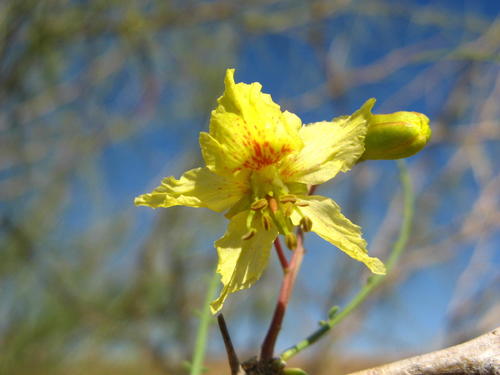
Parkinsonia africana
Wild green-hair tree
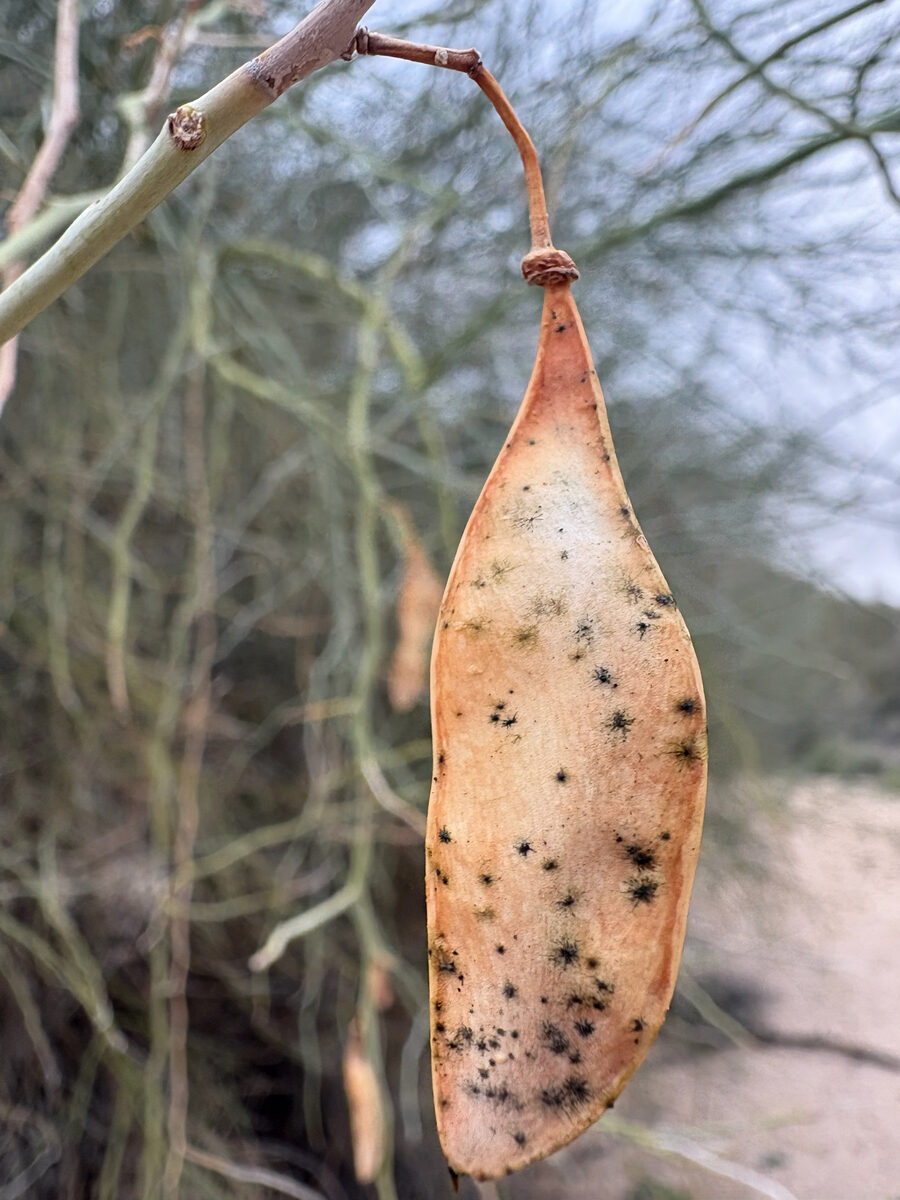
Parkinsonia florida - (Benth. ex A.Gray) S.Watson
Blue Palo Verde
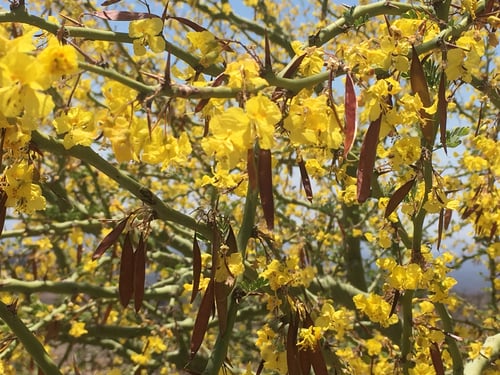
Parkinsonia praecox
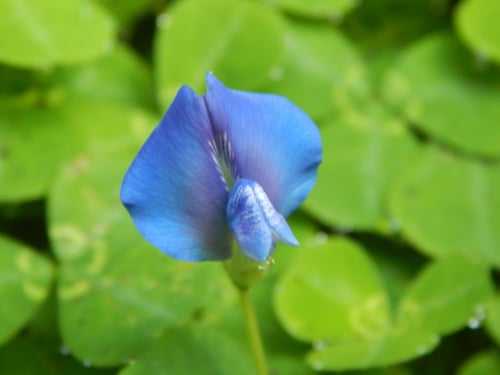
Parochetus communis
Blue trefoil, Shamrock pea, Clover pea
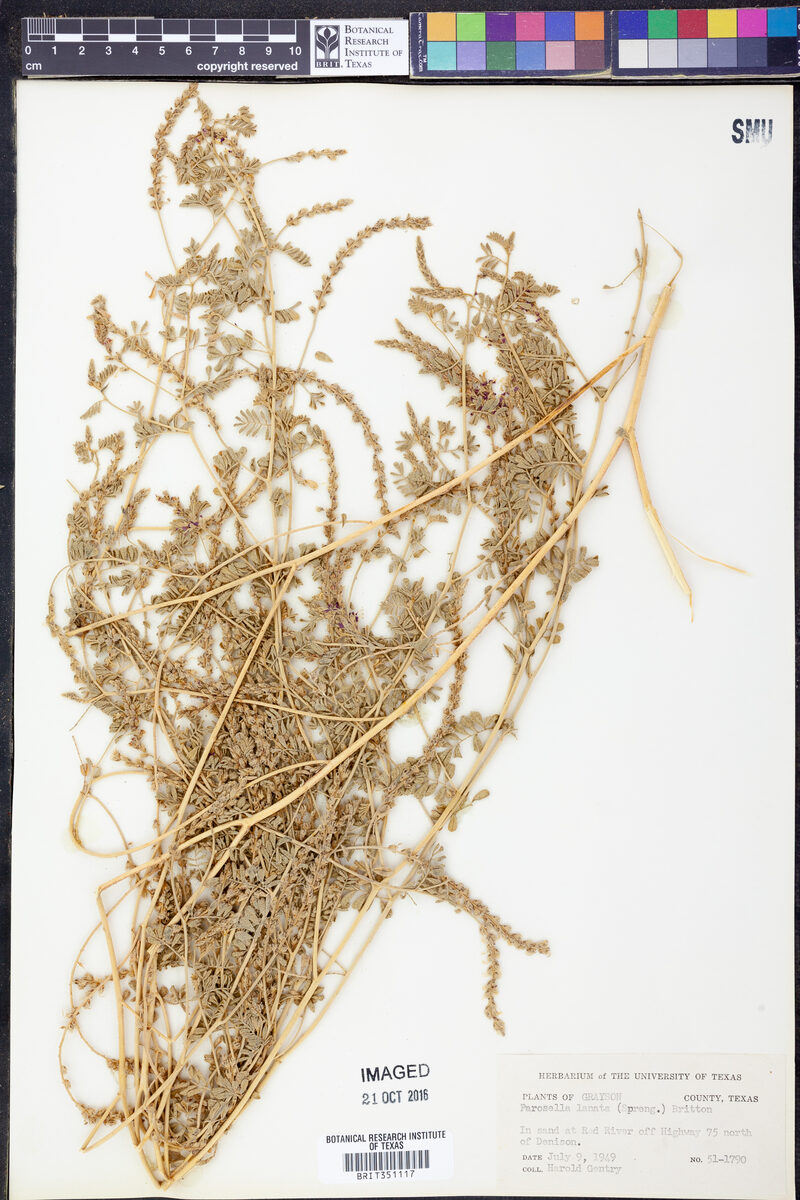
Parosela lanata
Woolly parosella, Woolly Prairie-clover, Woolly Prairieclover
Parosella lanata - (Spreng.)Britton.
Woolly Parosella