Pelargonium rodneyanum
T. Mitch. ex Lindl.
Magenta storksbill
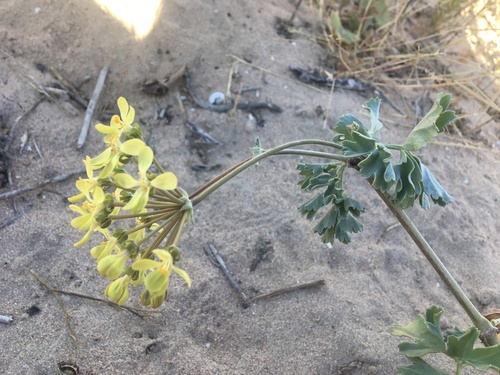
iNaturalist· cc-by-nc
(c) davidsando, some rights reserved (CC BY-NC), uploaded by davidsando
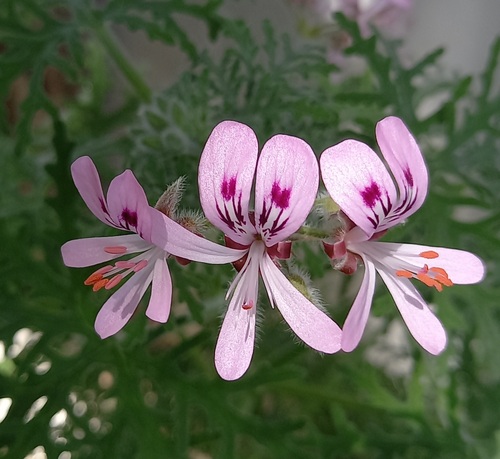
iNaturalist· cc-by-nc
(c) Reiner Richter, some rights reserved (CC BY-NC), uploaded by Reiner Richter
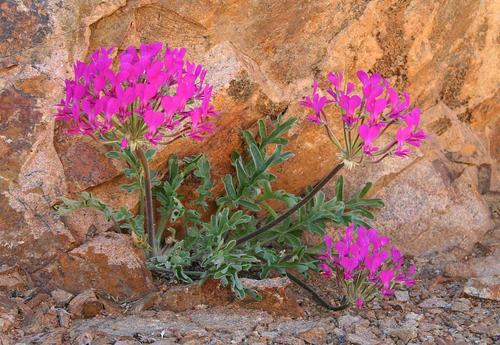
iNaturalist· cc-by-nc
(c) Amanda, some rights reserved (CC BY-NC), uploaded by Amanda
Summary
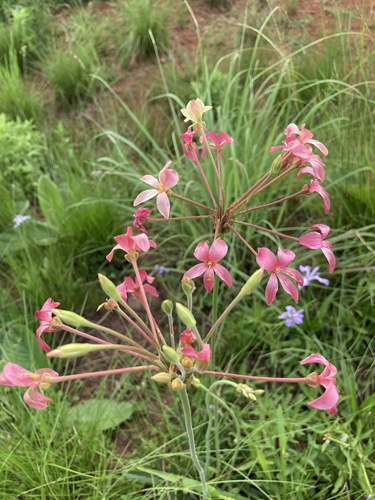
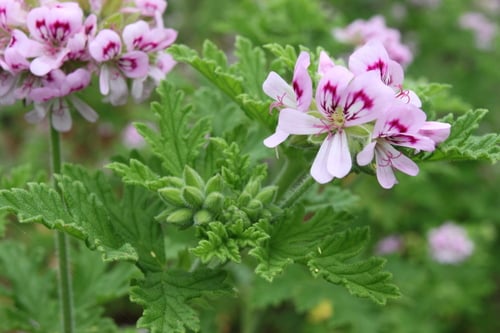
Source: WikipediaPelargonium rodneyanum, commonly known as magenta storksbill, is a perennial herb species that is endemic to Australia. It grows to 40 cm high and has leaves with 5 to 7 shallow lobes. Dark pink flowers appear between October and February in the species native range. The species was first formally described in 1838 by English botanist John Lindley in the second volume of Thomas Mitchell's Three Expeditions into the interior of Eastern Australia. It occurs on rocky slopes in forested areas of New South Wales, Victoria and South Australia. In cultivation, the species prefers a sunny position with good drainage. It tolerates a variety of soil conditions as well as periods of dryness and frost. It is suited to rockeries and can be grown in containers.
Description
A small plant which keeps growing from year to year. It forms tubers. It grows 20-30 cm high and spreads 30-50 cm wide. The leaves at the base are in a ring and are long and dark green. They are heart shaped and 10 cm long. They have notched edges. The flowering stems have up to 25 flowers. The flowers are small and bright pink.
Edible Uses
The leaves are potentially edible.
Distribution
It is a subtropical plant. It suits hardiness zones 9-11.
Where It Grows
Australia*,
Notes
There are about 230 Pelargonium species.
References (3)
- Cronin, L., 1989, The Concise Australian Flora. Reed. p 92
- Cundall, P., (ed.), 2004, Gardening Australia: flora: the gardener's bible. ABC Books. p 996
- Three exped. Australia 2:143. 1838