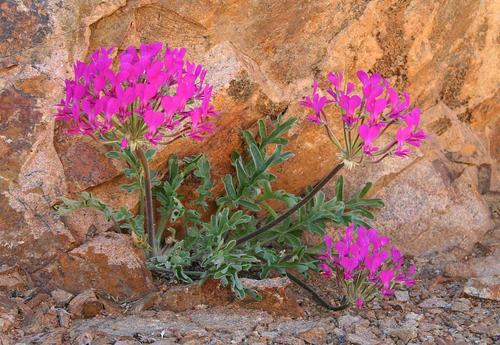
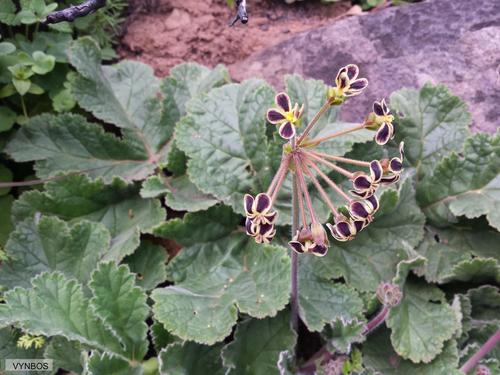
Pelargonium radens
H. E. Moore
Rasp-leaved geranium
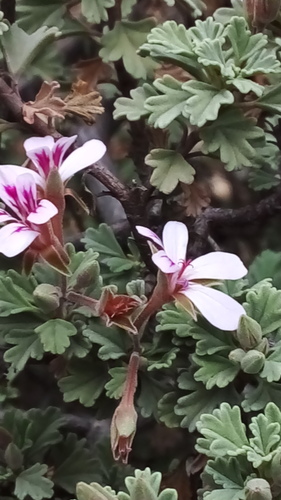
iNaturalist· cc-by-nc
(c) Craig Peter, some rights reserved (CC BY-NC), uploaded by Craig Peter
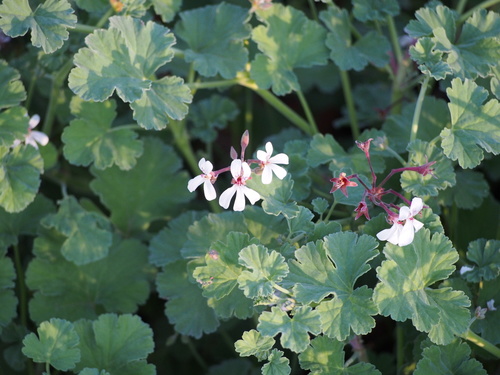
iNaturalist· cc-by-sa
(c) Nicola van Berkel, some rights reserved (CC BY-SA), uploaded by Nicola van Berkel
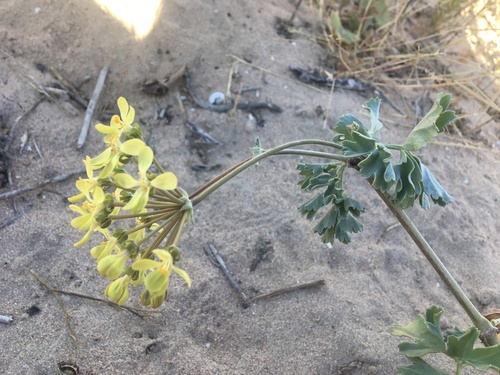
iNaturalist· cc-by-sa
(c) Nicola van Berkel, some rights reserved (CC BY-SA), uploaded by Nicola van Berkel
Summary
Source: WikipediaPelargonium radens, the rasp-leaf pelargonium is a species of Pelargonium. It is in the subgenus Pelargonium along with Pelargonium crispum and Pelargonium tomentosum.
Description
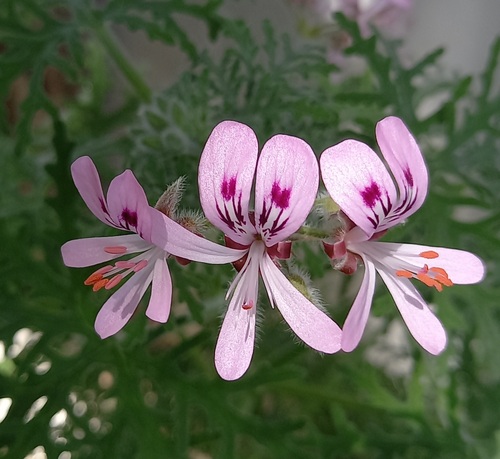
A shrub. It grows 1.5 m tall. The leaves are very divided. They are 3-5 cm long by 3-6 cm wide. The flowers are pale purple or pink with purple markings.
Edible Uses
None known
Traditional Uses
The leaves have a lemon scent. They are used to flavour cakes and tea. The flowers are used as an attractive edible garnish.
This uses section is brief — help expand it
Medicinal Uses
All parts of the plant are astringent. Fresh leaves are used externally, rubbed directly onto aching feet or legs.
Distribution
It is a Mediterranean climate plant.
Where It Grows
Africa, Central Asia, Slovenia, South Africa, Southern Africa, Tajikistan,
Cultivation
An easily grown plant, it requires a light well-drained neutral to alkaline soil in a sunny position. Plants are not very cold-hardy in Britain, tolerating temperatures down to about -5°c. They generally require greenhouse protection but can succeed outdoors when grown in a very sheltered warm spot in the mildest parts of the country. They can also be grown in containers that are placed outdoors in the summer and then brought into the greenhouse or conservatory for the winter. The plants need to be kept fairly dry in the winter. Very tolerant of pruning, they can be cut right down to the base in the autumn when bringing them back indoors, or in the spring to encourage lots of fresh growth. Cultivated for its essential oil in Europe. The leaves release a scent of roses. Plants are somewhat similar to P. graveolens.
Propagation
Seed is best sown as soon as it is ripe in a greenhouse. Stored seed should be sown in early spring under glass. Germination requires a minimum temperature of 13°c and usually occurs within 2 weeks, though it can sometimes take several months. Prick seedlings out into individual pots when large enough to handle and grow on in the greenhouse for at least the first winter. If planting outdoors, set out in early summer and consider providing extra winter protection. Cuttings can be taken at almost any time during the growing season, though early summer is ideal to allow the new plant to establish before winter.
Other Uses
An essential oil with a lemony scent is obtained from the plant. Known as Geranium oil, it is widely used in perfumery. The dried leaves serve as a fixative for other perfumes in pot-pourri and are also added to insect-repellent sachets.
Synonyms
Also Known As
Roženkravt
References (3)
- Baileya 3:22. 1955
- Facciola, S., 1998, Cornucopia 2: a Source Book of Edible Plants. Kampong Publications, p 119
- http://www.botanic-gardens-ljubljana.com/en/plants