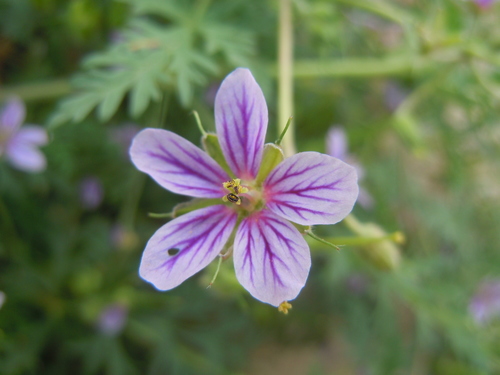
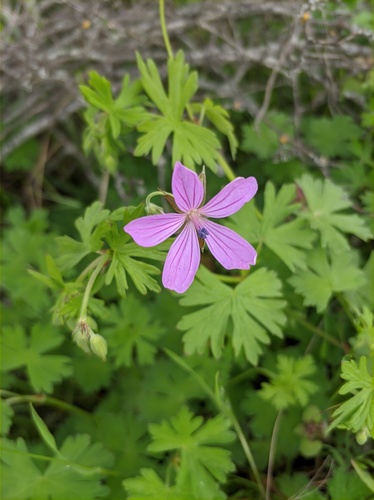
Pelargonium quinquelobatum
Hochst. ex A. Rich.
Ethiopian pelargonium
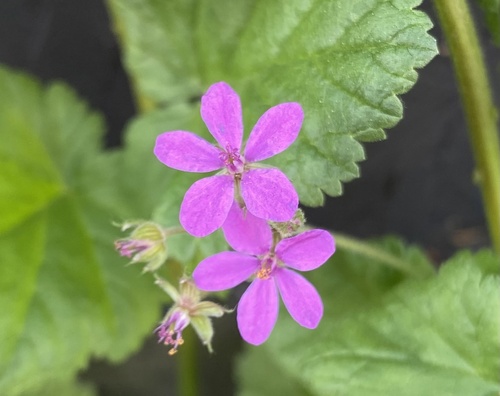
iNaturalist· cc-by-nc
(c) Mike Plagens, some rights reserved (CC BY-NC), uploaded by Mike Plagens
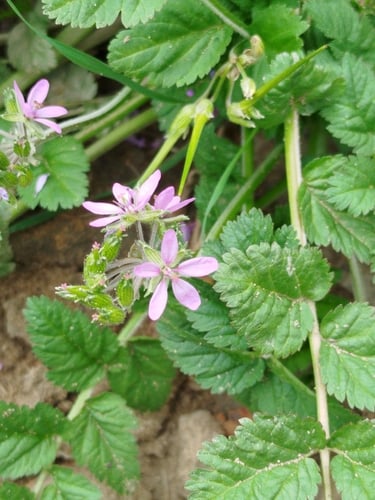
iNaturalist· cc-by-nc
(c) charity ngele, some rights reserved (CC BY-NC), uploaded by charity ngele
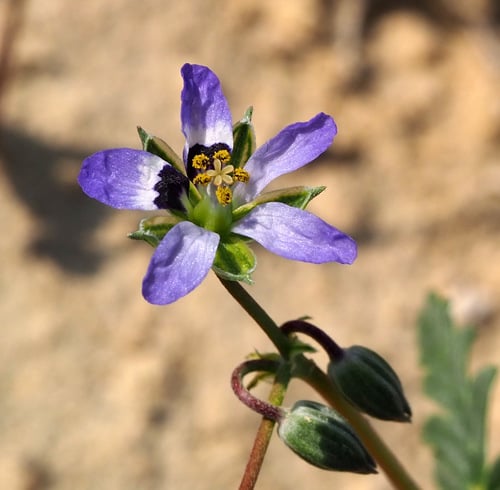
iNaturalist· cc-by-nc
(c) Jane, some rights reserved (CC BY-NC), uploaded by Jane
Description
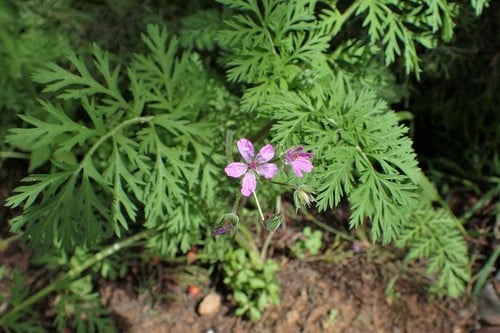
A herb. It can lie along the ground and be 75 cm long. The roots form tubers. The leaves are opposite and the lower ones can be in rings. The leaves have 3-5 sections. The leaves are 3-12 cm long by 2-11 cm wide. They have long hairs. The flowering shoots have 4-9 flowers. The fruit are 3-5 cm long.
Edible Uses
The stems are eaten raw, and the stems and leaves can be used as a vegetable.
Traditional Uses
The stems are eaten raw.
This uses section is brief — help expand it
Distribution
It is a tropical plant.
Where It Grows
Africa, East Africa, Ethiopia, Kenya,
Notes
Probably edible.
Synonyms
Also Known As
Naseisho
References (4)
- Ichikawa, M., 1980, The Utilization of Wild Food Plants by the Suiei Dorobo in Northern Kenya. J. Anthrop. Soc. Nippon. 88(1): 25-48
- Molla, A., Ethiopian Plant Names. http://www.ethiopic.com/aplants.htm
- Mutie, F. G., 2020, Conservation of Wild Food Plants and Their Potential for Combatting Food Insecurity in Kenya as Exemplified by the Drylands of Kitui County. Plants 2020, 9, 1017
- Mutie, F. M., et al, 2023, Important Medicinal and Food Taxa (Orders and Families) in Kenya, Based on Three Quantitative Approaches. Plants 2023, 12, 1145