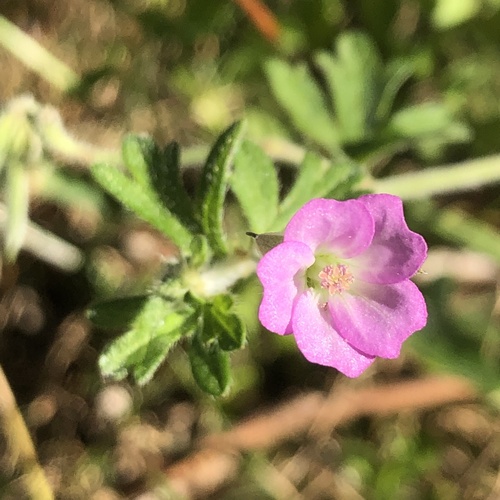
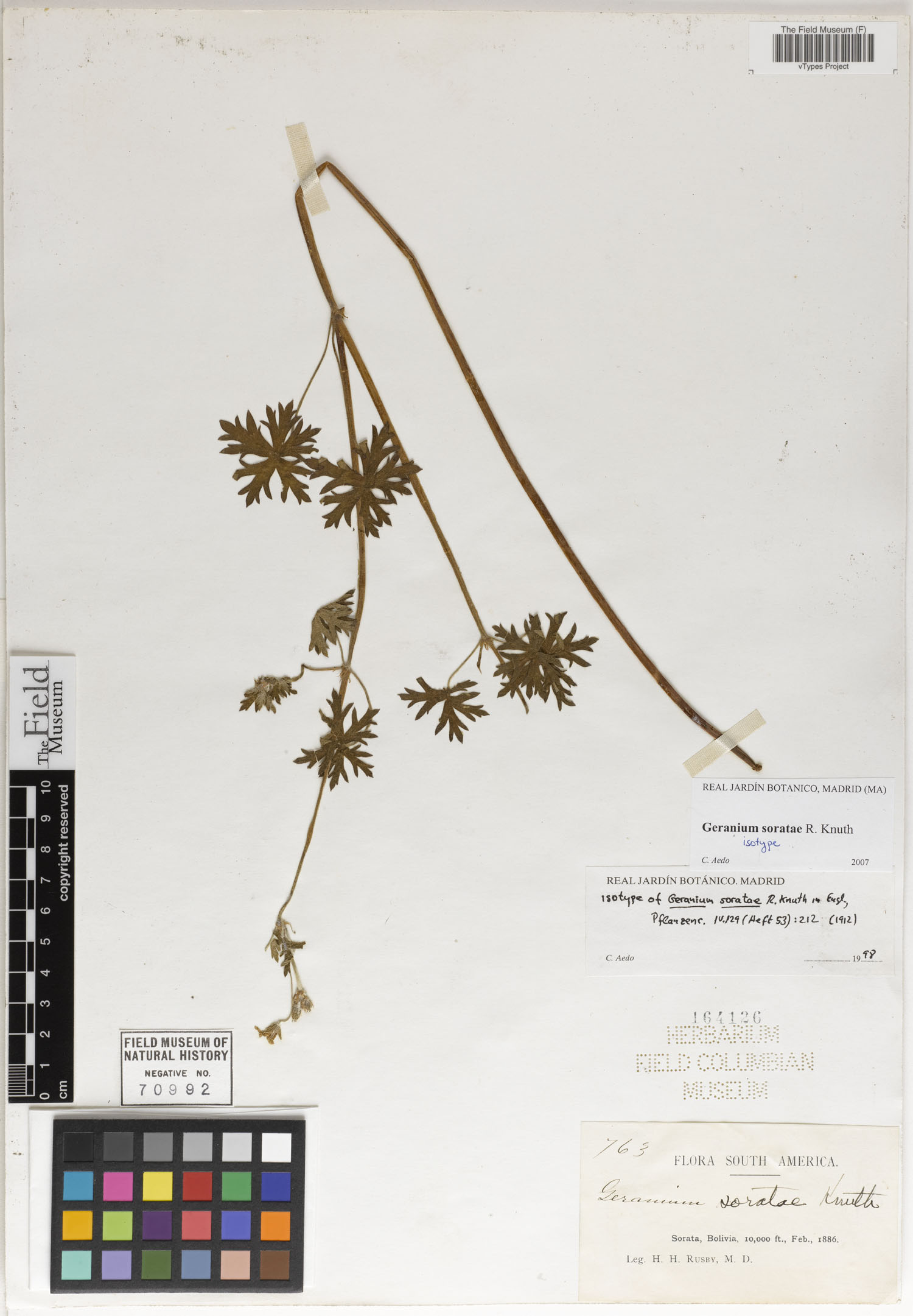
Pelargonium odoratissimum
(L.) L'Her.
Apple geranium
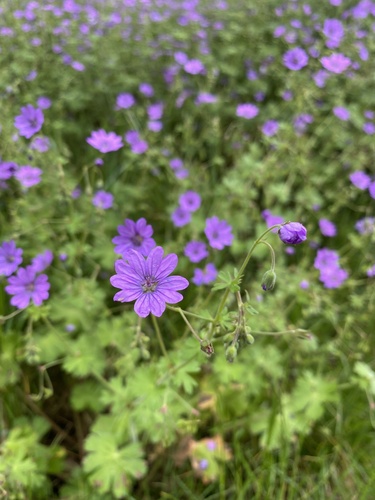
iNaturalist· cc-by-nc
(c) Leonid Rasran, some rights reserved (CC BY-NC), uploaded by Leonid Rasran
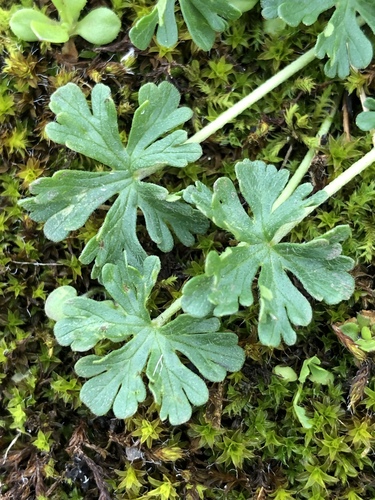
iNaturalist· cc-by-nc
(c) Roger, some rights reserved (CC BY-NC), uploaded by Roger
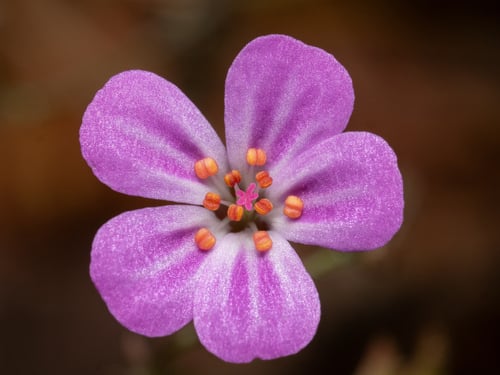
iNaturalist· cc-by-nc
(c) markberry, some rights reserved (CC BY-NC), uploaded by markberry
Summary
Source: WikipediaPelargonium odoratissimum is a pelargonium species native to South Africa. It is also known as the apple geranium or apple pelargonium due to the distinct apple scent. It is in the subgenus Reniforme along with Pelargonium sidoides and Pelargonium exstipulatum.
Description
An evergreen perennial growing 0.2 m tall by 0.3 m wide. In leaf year-round with flowers from May to July. Hardy to UK zone 9 and frost tender. Self-fertile. Prefers light sandy to medium loamy, well-drained soils with mildly acid to basic pH. Tolerates semi-shade in light woodland settings and prefers dry or moist soil.
Edible Uses
The leaves are crushed and used to flavour salads, soups, fruit dishes, jellies, sorbets, ice cream, and cakes. Cake pans can be lined with the leaves so the pastry absorbs their essence. The leaves are reported to have an apple scent, though they can also carry a strong minty smell. An infusion of the leaves makes a pleasant tea.
Traditional Uses
The leaves are used to flavour jellies and desserts. They are also used in syrups, sauces, salads, and drinks.
This uses section is brief — help expand it
Medicinal Uses
The whole plant is an aromatic herb with astringent, tonic, and antiseptic properties. It is used internally for debility, gastro-enteritis, and haemorrhage, and externally for skin complaints, injuries, neuralgia, and throat infections. The essential oil is used in aromatherapy, where its keyword is 'Balancing', and is applied in the treatment of burns, sores, and shingles.
Distribution
It is a subtropical plant.
Where It Grows
America, Ecuador, Europe, Lithuania, South Africa, Southern Africa, South America,
Cultivation
Pelargonium odoratissimum is found mainly in the subtropical climate of southern Africa. Plants are not very cold-hardy, tolerating short periods with temperatures down to about -3°c. An easily grown plant, succeeding in a well-drained ordinary good soil. Requires a light well-drained neutral to alkaline soil in a sunny position. Plants are tolerant of some shade. Very tolerant of pruning, they can be cut right down to the base in the autumn when bringing them back indoors, or in the spring to encourage lots of fresh growth. The bruised leaves release a smell of ripe apples. The plant is cultivated for its essential oil.
Propagation
Sow seed as soon as it is ripe in a greenhouse, or in early spring if using stored seed. A minimum germination temperature of 13°C is recommended; seeds usually sprout within 2 weeks, though germination can sometimes take several months. Prick seedlings out into individual pots when large enough to handle and overwinter them under glass for at least their first year. If planting outdoors, do so in early summer and consider extra winter protection. Cuttings can be taken at almost any point during the growing season, though early summer is ideal to allow the new plant to establish before winter.
Other Uses
An essential oil obtained from the plant is used in aromatherapy, perfumery, and as an insect repellent. The name 'odoratissimum' derives from the Latin for sweet-scented. The growing plant repels flies, particularly when the leaves are touched occasionally to release their scent. The leaves are dried for use in pot-pourri and herb pillows.
Other Information
It is cultivated.
Also Known As
Nutmeg geranium
References (5)
- W. Aiton, Hort. kew. 2:419. 1789
- Facciola, S., 1998, Cornucopia 2: a Source Book of Edible Plants. Kampong Publications, p 119
- Kermath, B. M., et al, 2014, Food Plants in the Americas: A survey of the domesticated, cultivated and wild plants used for Human food in North, Central and South America and the Caribbean. On line draft. p 625
- Marchioni, I., et al, 2020, Phytonutritional Content and Aroma Profile Changes During Postharvest Storage of Edible Flowers. Frontiers in Plant Science Article. Article 590968
- Torre, de la, L., et al, 2008, Enciclopedia de las Plantas Útiles del Ecuador. Herbario QCA. Pontificia Universidad Católica del Ecuador. p 368