Sisymbrium crassifolium
Cav.
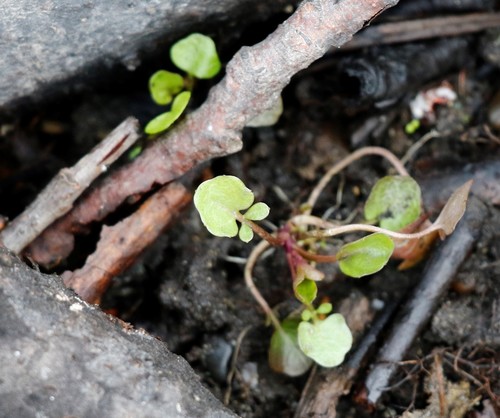
iNaturalist· cc-by-nc
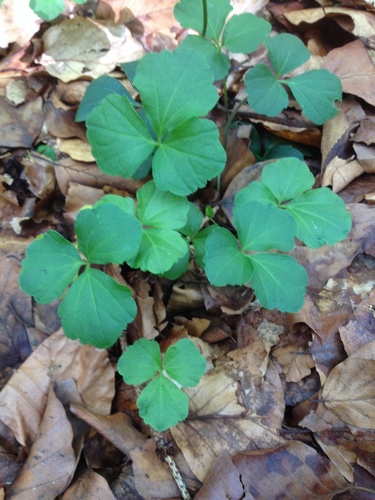
(c) faluke, some rights reserved (CC BY-NC), uploaded by faluke
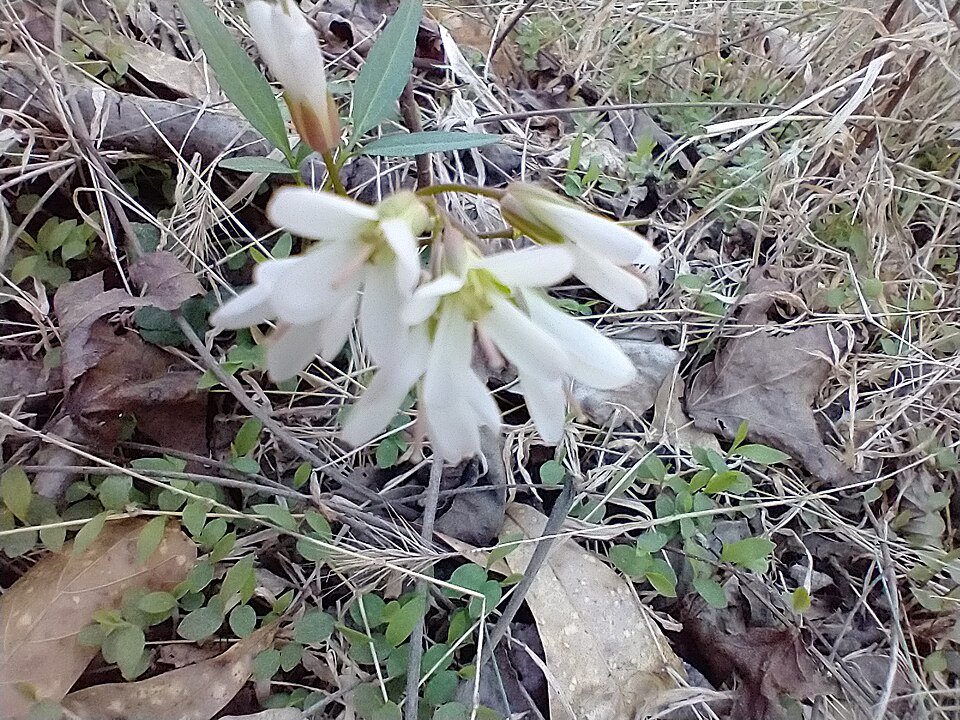
iNaturalist· cc-by-nc
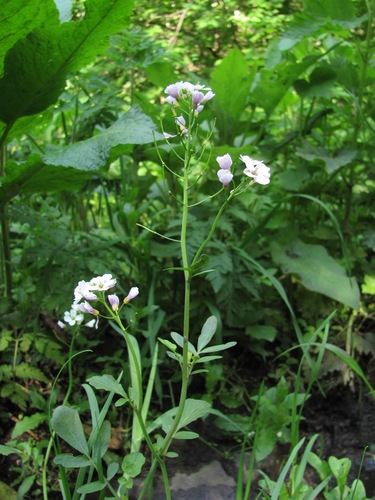
(c) Carlos Jiménez, some rights reserved (CC BY-NC)
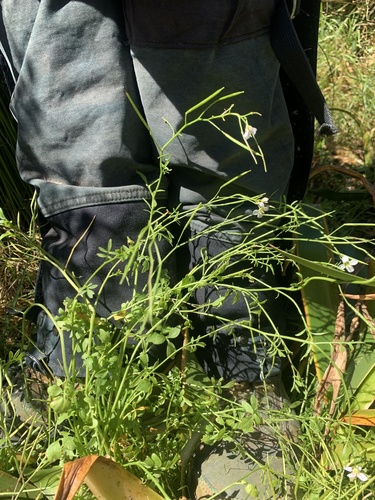
iNaturalist· cc-by-nc
(c) Carlos Jiménez, some rights reserved (CC BY-NC)
Summary
A biennial or perennial plant reaching 0.8 m (2ft 6in) tall with hermaphroditic flowers. It thrives in light sandy, medium loamy, or heavy clay soils across a range of pH levels from mildly acidic to mildly alkaline. The plant tolerates semi-shade in light woodland conditions or full sun, and prefers consistently moist soil.
Description
A biennial or perennial plant reaching 0.8 m (2ft 6in) tall with hermaphroditic flowers. It thrives in light sandy, medium loamy, or heavy clay soils across a range of pH levels from mildly acidic to mildly alkaline. The plant tolerates semi-shade in light woodland conditions or full sun, and prefers consistently moist soil.
Edible Uses
Leaves and young stems can be eaten cooked. They have a cabbage-like flavour.
Traditional Uses
The leaves are eaten as a green vegetable.
This uses section is brief — help expand it
Medicinal Uses
None known.
Distribution
It is a Mediterranean plant.
Where It Grows
Africa, Algeria, Europe, Mediterranean, Morocco, North Africa, Portugal, Spain,
Cultivation
Not known
Propagation
Seed -
Other Uses
None known Special Uses
Notes
There are about 80 Sisymbrium species.
Synonyms
Also Known As
Esparrago de tamarilla
References (4)
- Plants for a Future database, The Field, Penpol, Lostwithiel, Cornwall, PL22 0NG, UK. http://www.scs.leeds.ac.uk/pfaf/
- Rivera, D. et al, 2006, Gathered Mediterranean Food Plants - Ethnobotanical Investigations and Historical Development, in Heinrich M, Müller WE, Galli C (eds): Local Mediterranean Food Plants and Nutraceuticals. Forum Nutr. Basel, Karger, 2006, vol 59, pp 18–74
- Tardio, J., et al, Ethnobotanical review of wild edible plants in Spain. Botanical J. Linnean Soc. 152 (2006), 27-71
- World Checklist of Useful Plant Species 2020. Royal Botanic Gardens, Kew