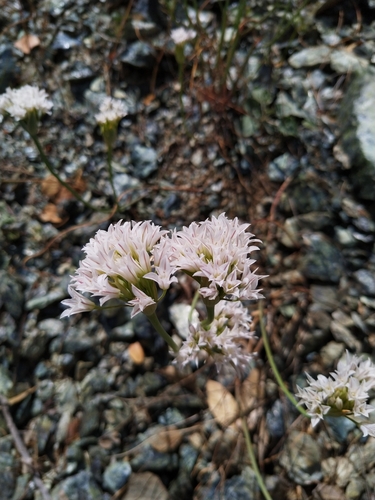
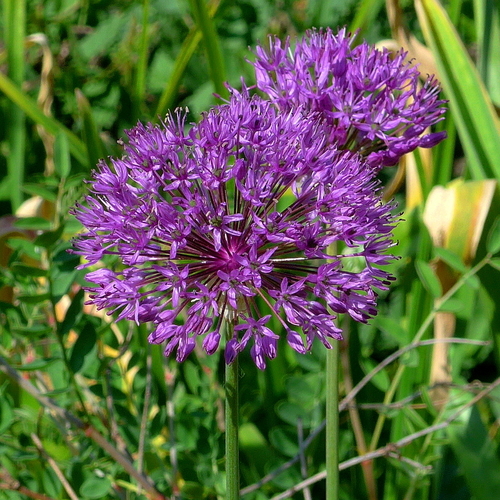
Allium obliquum
L.
Twistedleaf garlic, Oblique onion
iNaturalist· cc-by-nc
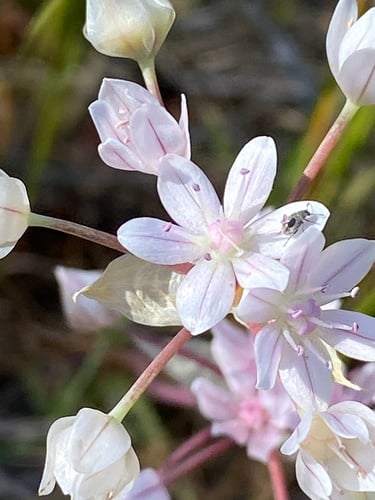
(c) Мария Филатова, some rights reserved (CC BY-NC), uploaded by Мария Филатова
iNaturalist· cc-by-nc
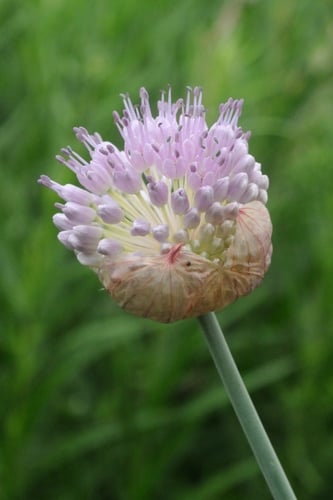
(c) Petr Kosachev, some rights reserved (CC BY-NC), uploaded by Petr Kosachev
iNaturalist· cc-by-nc
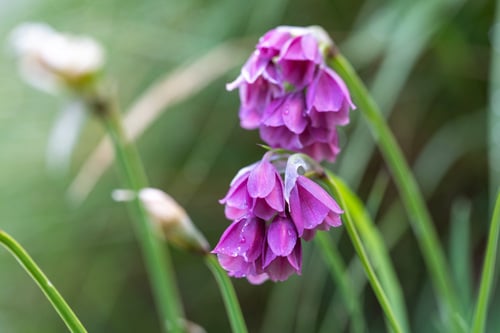
(c) Ирина Вурдова, some rights reserved (CC BY-NC), uploaded by Ирина Вурдова
Summary
Source: WikipediaAllium obliquum, common name lop-sided onion or twisted-leaf onion, is a Eurasian species of wild onion with a range extending from Romania to Mongolia. It is also widely cultivated elsewhere as an ornamental. Allium obliquum produces an egg-shaped bulb up to 3 cm long. Scape is up to 100 cm tall, round in cross-section. Leaves are flat, shorter than the scape, up to 20 mm across. Umbels are spherical, with many yellow flowers crowded together.
Description
An onion family plant. A bulb plant. It grows to 60 cm high. It has a single bulb. The bulbs are 2-3 cm across. The covering is pale brown. It is hard and leathery. The leaves are broad and straight. They are 5-20 mm wide. The scape is 60-100 cm and covered with leaf sheaths for about /12 the length. The flower head is round and has many flowers.
Edible Uses
The bulbs, up to 2cm in diameter, can be eaten raw or cooked and work well as a garlic substitute. The leaves are also edible raw or cooked. The flowers are eaten raw and can be used as a garnish on salads.
Traditional Uses
The bulbs are eaten raw or cooked. The leaves are eaten raw or cooked. The flowers are used raw.
This uses section is brief — help expand it
Medicinal Uses
No specific medicinal uses have been recorded for this species, but members of this genus are generally considered healthy dietary additions. They contain sulphur compounds — responsible for their onion flavour — which, when eaten regularly, can help reduce blood cholesterol levels, support digestive health, and tonify the circulatory system.
Known Hazards
Although no individual reports regarding this species have been seen, there have been cases of poisoning caused by the consumption, in large quantities and by some mammals, of certain members of this genus. Dogs seem to be particularly susceptible.
Distribution
It is a cool temperate plant. It grows naturally in meadows and wooded slopes in Siberia. It prefers a sunny position and a light well drained soil. It can grow in damp acid soils. In grows in N China.
Where It Grows
Australia, Central Asia, China, Europe, Hungary, Kazakhstan, Kyrgyzstan, Mongolia, Romania, Russia, Siberia, Slovenia, Tasmania, Turkestan, Uzbekistan,
Cultivation
An easily grown plant, it prefers a sunny position in a light well-drained soil. Succeeds in damp acid soils and in heavy clay. The bulbs should be planted fairly deeply. This species is closely related to the Welsh onion, A. fistulosum. Grows well with most plants, especially roses, carrots, beet and chamomile, but it inhibits the growth of legumes. This plant is a bad companion for alfalfa, each species negatively affecting the other. Cultivated for its edible bulb in Siberia, where it is used as a garlic substitute. Members of this genus are rarely if ever troubled by browsing deer.
Propagation
Sow seed in spring in a cold frame. Prick out seedlings into individual pots once large enough to handle — placing three plants per pot will produce clumps more quickly. Grow on in a greenhouse through at least the first winter, then plant out in spring once growing vigorously. Division in spring is very easy; plants can be divided successfully at any point during the growing season and transplanted directly into permanent positions.
Other Uses
The plant juice can be used as a moth repellent, and the whole plant is said to repel both insects and moles.
Other Information
Cultivated for its edible bulb in Siberia.
Notes
There are about 300-700 Allium species. Most species of Allium are edible (Flora of China). All alliums are edible but they may not all be worth eating! They have also been put in the family Alliaceae.
Synonyms
Also Known As
Gao ting jiu, Nesimetrični luk, Turkesztani hagyma
References (10)
- Chen Xinqi, Liang Songyun, Xu Jiemei, Tamura M.N., Liliaceae. Flora of China. p 118
- Denes, A., et al, 2012, Wild plants used for food by Hungarian ethnic groups living in the Carpathian Basin. Acta Societatis Botanicorum Poloniae 81 (4): 381-396
- Facciola, S., 1998, Cornucopia 2: a Source Book of Edible Plants. Kampong Publications, p 5
- Hedrick, U.P., 1919, (Ed.), Sturtevant's edible plants of the world. p 40
- Lim, T. K., 2015, Edible Medicinal and Non Medicinal Plants. Volume 9, Modified Stems, Roots, Bulbs. Springer p 5
Show all 10 references Hide references
- Plants for a Future database, The Field, Penpol, Lostwithiel, Cornwall, PL22 0NG, UK. http://www.scs.leeds.ac.uk/pfaf/
- Seidemann J., 2005, World Spice Plants. Economic Usage, Botany, Taxonomy. Springer. p 22
- Sp. pl. 1:296. 1753
- Urgamal, M., et al, 2014, Conspectus of the Vascular Plants of Mongolia. Mongolia Academy of Sciences Institute of Botany and National University of Mongolia Department of Biology. p 47
- Woodward, P., 1996, Garlic and Friends. The History, Growth and Use of Edible Alliums. Hyland House. p 194