Glycine clandestina
J. C. Wendl.
Twining Glycine, Lover’s Twine
iNaturalist· cc-by-nc
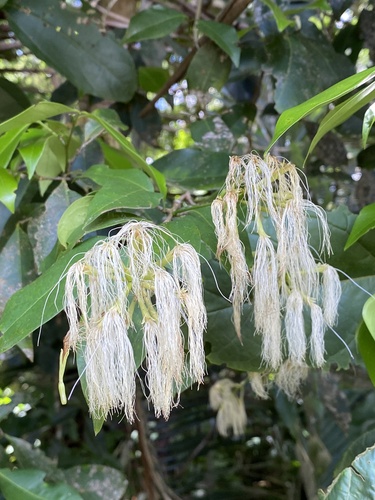
(c) Linda Rogan EntSocVic, some rights reserved (CC BY-NC), uploaded by Linda Rogan EntSocVic
iNaturalist· cc-by-nc
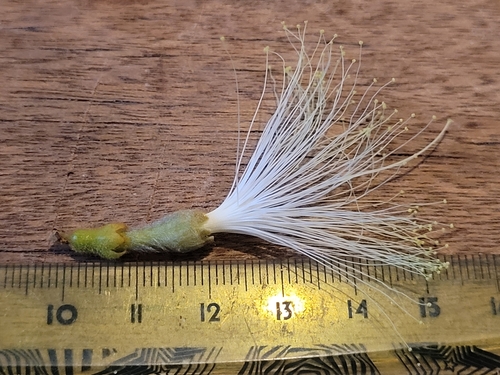
(c) Scott W. Gavins, some rights reserved (CC BY-NC), uploaded by Scott W. Gavins
iNaturalist· cc-by-nc
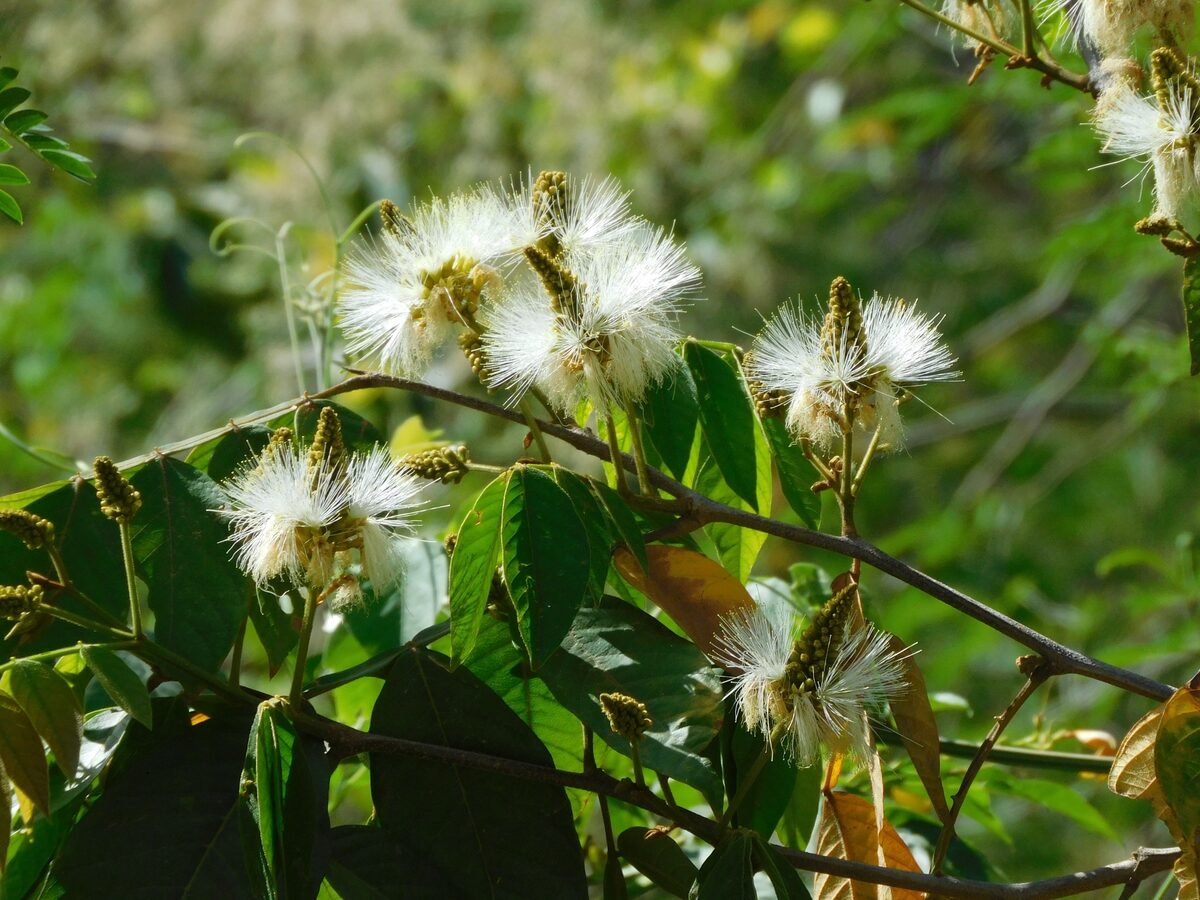
(c) Garry French, some rights reserved (CC BY-NC), uploaded by Garry French
Summary
Source: WikipediaGlycine clandestina, commonly known as twining glycine or love creeper, is a scrambling plant in the bean family, found in Australia.
Description
A twining plant. It grows 0.3-2 m tall. The rootstock is woody. The stems are slender. The leaves are compound and 1-4 cm long. There are 3 narrow, dark-green leaflets. The leaflets are 1-4 cm long by 0.4-1.2 cm wide. They are hairy and with a small point at the tip. Flowers are in clusters of 6-20 in erect groups in the axils of leaves. Flowers are pea shaped and pale blue to purple. The fruit is a short pod. It is fat. The pod is 3 cm long by 0.4 cm wide.
Edible Uses
The taproot is edible but not particularly palatable.
Traditional Uses
The taproot is edible but not particularly enjoyable.
This uses section is brief — help expand it
Distribution
It is a temperate plant. It grows in warm coastal locations to cold sub-alpine. It can grow in dry desert regions and high rainfall forests. It needs well drained soil. Forms from near the coast can suffer frost damage. It can grow in arid places.
Where It Grows
Australia*, Britain, Europe, Tasmania*,
Cultivation
Plants can be grown from seed or cuttings. The seed need to be soaked in boiling water to get them to grow.
Notes
There are 10 Glycine species.
References (20)
- Blomberry, A.M., 1979, Australian Native Plants. Angus and Robertson p 156
- Bodkin, F., 1991, Encyclopedia Botanica. Cornstalk publishing, p 500
- Bot. Beob. 54. 1798
- Caton, J.M. & Hardwick, R. J., 2016, Field Guide to Useful Native Plants from Temperate Australia. Harbour Publishing House. p 104
- Cherikoff V. & Isaacs, J., The Bush Food Handbook. How to gather, grow, process and cook Australian Wild Foods. Ti Tree Press, Australia p 195
Show all 20 references Hide references
- Cronin, L., 1989, The Concise Australian Flora. Reed. p 107
- Curtis, W.M., 1956, The Students Flora of Tasmania Vol 1 p 165
- Dashorst, G.R.M., and Jessop, J.P., 1998, Plants of the Adelaide Plains & Hills. Botanic Gardens of Adelaide and State Herbarium. p 84
- Elliot, W.R., & Jones, D.L., 1992, Encyclopedia of Australian Plants suitable for cultivation. Vol 4. Lothian. p 370 (Photo)
- Gilfedder, L et al, 2003, The Nature of the Midlands. Midlands Bushweb. PO Box 156 Longford, Tasmania. p 73
- Hibbert, M., 2002, The Aussie Plant Finder 2002, Florilegium. p 112
- Howells, C & Gulline, H., 2003, Coastal Plants of Tasmania. Plant Identikit. Australian Plant Society, Tasmania. p 42
- Hunter, J. T. & Sheringham, P., 2006, Vegetation and Floristics of Melville Range Nature Reserve. A Report to the New South Wales Parks and Wildlife Service. p 174
- Hymowitz, T., 1979, Soybeans, in Simmonds N.W.,(ed), Crop Plant Evolution. Longmans. London. p 159
- Jones, D.L. & Gray, B., 1977, Australian Climbing Plants. Reed. p 107
- Lazarides, M. & Hince, B., 1993, Handbook of Economic Plants of Australia, CSIRO. p 122
- Lord, E.E., & Willis, J.H., 1999, Shrubs and Trees for Australian gardens. Lothian. p 322
- Paczkowska, G . & Chapman, A.R., 2000, The Western Australian Flora. A Descriptive Calatogue. Western Australian Herbarium. p 432
- Tasmanian Herbarium Vascular Plants list p 30
- Whiting, J. et al, 2004, Tasmania's Natural Flora. Tasmania's Natural Flora Editorial Committee PO Box 194, Ulverstone, Tasmania, Australia 7315 p 167