Allanblackia ulugurensis
Engl.
iNaturalist· cc-by-nc
(c) andreaudzungwa, some rights reserved (CC BY-NC)
iNaturalist· cc-by-nc
(c) andreaudzungwa, some rights reserved (CC BY-NC)
Summary
Source: WikipediaAllanblackia ulugurensis is a species of flowering plant in the family Clusiaceae. It is found only in Tanzania. Its seeds produce an edible oil, which can be extracted by pounding, boiling, and skimming off the fat.
Description
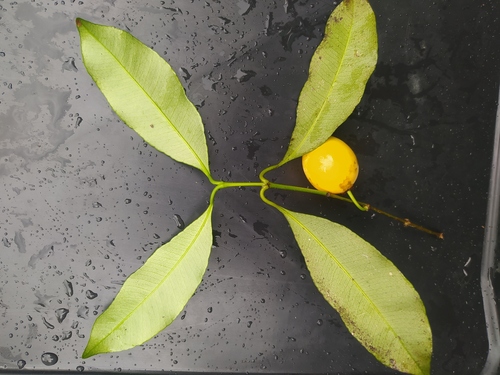
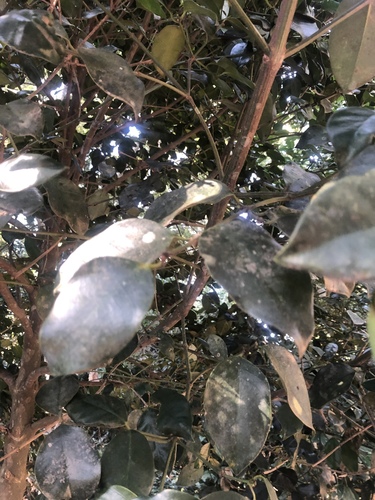
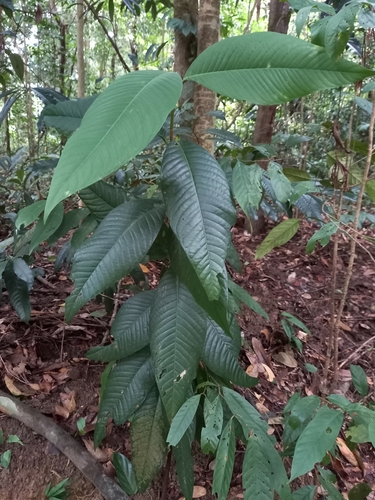
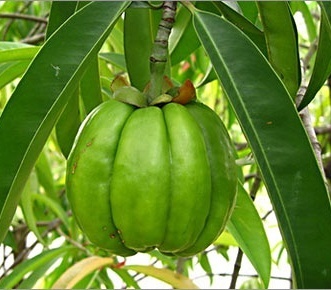
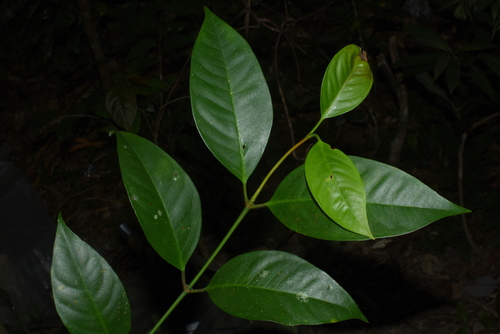
A large evergreen tree. It grows 30 m high. The leaves are simple and opposite. They are dark green and 8-20 cm long by 4-11 cm wide. The flowers are of one sex with male and female flowers on separate trees. The flowers are clustered twoards the ends of the small branches. The fruit are reddish pink. They are 10-13 cm long by 7-8 cm wide. THey hang at the end of a long stalk. The seeds are irregular in shape and have a brittle shell. They are 3-4 cm long by 2.3 cm across.
Edible Uses
Seeds yield an edible fat. They are dried in the sun, pounded, boiled and then cooled. The suspended fat is skimmed off, heated, filtered and used in cooking.
Traditional Uses
The seeds produce an edible fat. The edible fat is used in cooking.
This uses section is brief — help expand it
Medicinal Uses
The fat obtained from the seeds is used as a treatment against coughs and chest problems.
Distribution
It is a tropical plant. It grows on steeper slopes and at higher altitudes in Tanzania. It is best in full sun on well drained soil. It grows between 700-2,100 m above sea level. It grows in areas with an average temperature between 13-30°C and an average rainfall between 1,200-2,400 mm.
Where It Grows
Africa, Cuba, East Africa, Tanzania*, West Indies,
Cultivation
Plants can be grown from seeds. Seeds do not grow easily.
Other Uses
The fat obtained from the seeds is used in cosmetics and soap making. A yellow dye is obtained from the sap of the fruit and bark. The wood is used for furniture, crates, boxes and beehives.
Production
The ripe fruit are collected from the ground and the fruit broken to release the seeds. The seeds are dried in the sun then pounded into a powder and boiled in water. The fat or oil floats to the surface. Dried seed can be stored for several months.
Other Information
Seeds are sold in local markets.
Notes
Guttiferae/Clusiaceae are mostly confined to the tropics and subtropics.
Also Known As
Mkange, Mkani, Mkanye, Msambu, Msasarari, Msumbu-bwiti
References (11)
- East African Herbarium records, 1981,
- FAO. 1983, Food and fruit-bearing forest species 1: Examples from Eastern Africa. FAO Food and Forestry Paper 44/1 p 7
- http://www.fao.org/forestry/25323-096344a3de335832e8f363c3ac5184a66.pdf
- INFOODSUpdatedFGU-list.xls
- Lovett, J. C. et al, Field Guide to the Moist Forest Trees of Tanzania. p 65
Show all 11 references Hide references
- Msuya, T. S., et al, 2010, Availability, Preference and Consumption of Indigenous Foods in the Eastern Arc Mountains, Tanzania, Ecology of Food and Nutrition, 49:3, 208-227
- Peters, C. R., O'Brien, E. M., and Drummond, R.B., 1992, Edible Wild plants of Sub-saharan Africa. Kew. p 83
- Ruffo, C. K., Birnie, A. & Tengnas, B., 2002, Edible Wild Plants of Tanzania. RELMA p 118
- Wickens, G.E., 1995, Edible Nuts. FAO Non-wood forest products. FAO, Rome. p 131
- World Checklist of Useful Plant Species 2020. Royal Botanic Gardens, Kew
- www.worldagroforestry.org/treedb2/speciesprofile.php?Spid=18118