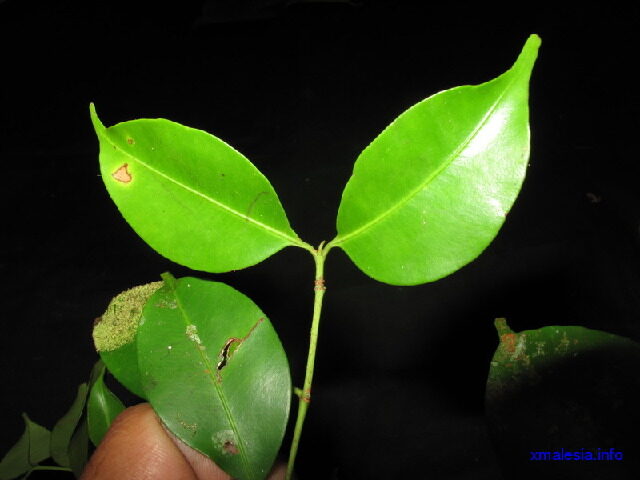
Garcinia sopsopia
(Buch.-Ham.) Mabb.
No photos yet for Garcinia sopsopia
Sign in to contribute a photoDescription
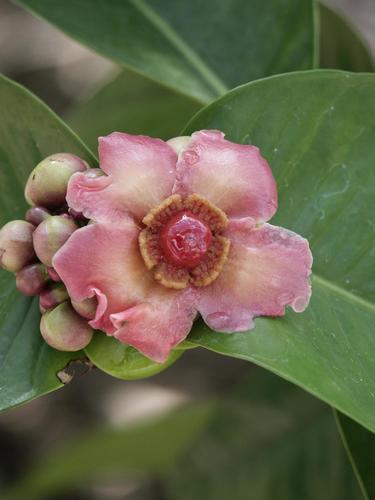
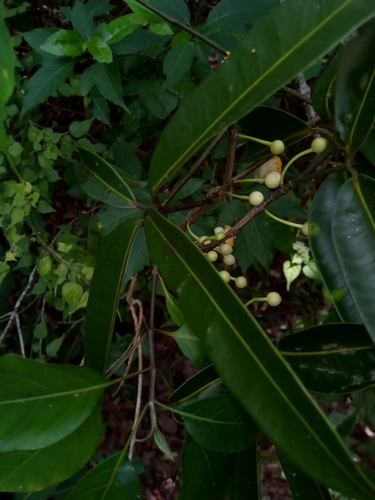
A subtropical tree bearing cherry-sized fruit with an edible layer (aril) surrounding the seeds.
This description is brief — help expand it
Edible Uses
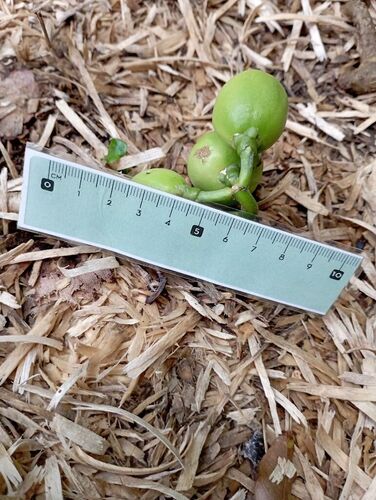
Fruit - raw. Large and succulent. The fruit is a yellow, fleshy, globose berry, around 25 - 45mm x 20 - 35mm across, containing 3 - 5 large, oblong-reniform seeds that are covered with a juicy pulp with an agreeable odour. Leaves.
Traditional Uses
The ripe fruit aril or layer around the seeds is edible.
This uses section is brief — help expand it
Distribution
A subtropical plant.
Where It Grows
Asia, Bhutan, Himalayas, India, Northeastern India,
Propagation
Seed - we have no specific information on this species, but the seed of most members of the genus can be slow to germinate, even if sown fresh, often taking 6 months or more.
Other Uses
The plant is sometimes grown as a rootstock for the mangosteen (Garcinia mangostsna). A thick, yellow, resinous latex is obtained from the bark, branches and fruit[1807. No uses are given. The grayinsh-brown wood is moderately hard.
Other Information
It is cultivated.
Notes
There are about 300 Garcinia species.
Synonyms
Also Known As
Kusum, Sochopa-tenga, Vawnmva, Vawm-va
References (6)
- Ambasta, S.P. (Ed.), 2000, The Useful Plants of India. CSIR India. p 231 (As Garcinia paniculata)
- Hedrick, U.P., 1919, (Ed.), Sturtevant's edible plants of the world. p 325 (As Garcinia paniculata)
- Kar, A., et al, 2013, Wild Edible Plant Resources used by the Mizos of Mizoram, India. Kathmandu University Journal of Science, Engineering and Technology. Vol. 9, No. 1, July, 2013, 106-126
- Lalfakzuala, R., 2007, Ethnobotanical usages of plants in western Mizoram. Indian Journal of Traditional Knowledge. Vol 6(3) pp 480-493
- Mukhia, P.K., et al, 2013, Wild plants as Non Wood Forest Products used by the rural community of Dagana, a southern foothill district of Bhutan, SAARC Journal, 27 pages
Show all 6 references Hide references
- Singh, H.B., Arora R.K.,1978, Wild edible Plants of India. Indian Council of Agricultural Research, New Delhi. p 61 (As Garcinia paniculata)