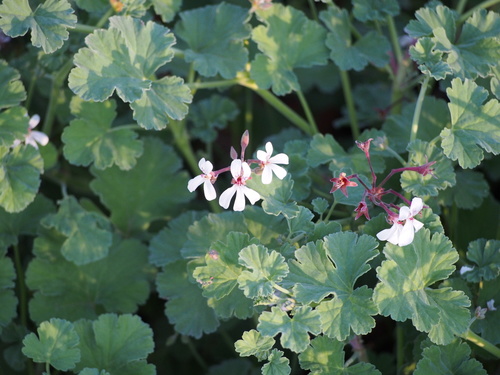
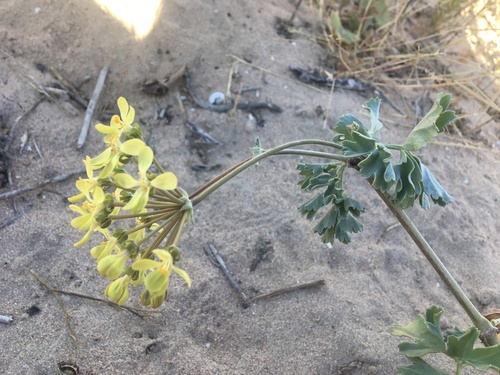
Geranium nepalense
Sweet
Nepalese crane's bill, Nepal Geranium
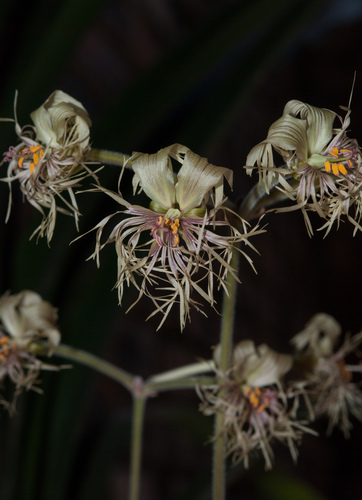
iNaturalist· cc-by-nc
(c) Rajendra Koranga, some rights reserved (CC BY-NC), uploaded by Rajendra Koranga
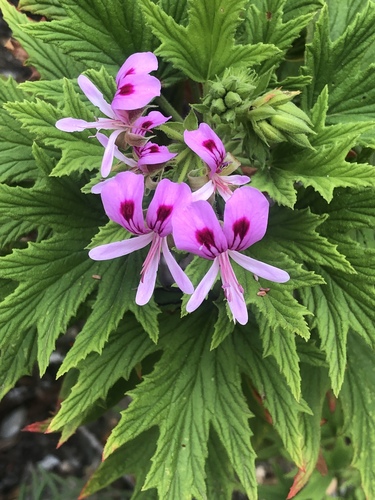
iNaturalist· cc-by
(c) Tom Norton, some rights reserved (CC BY)
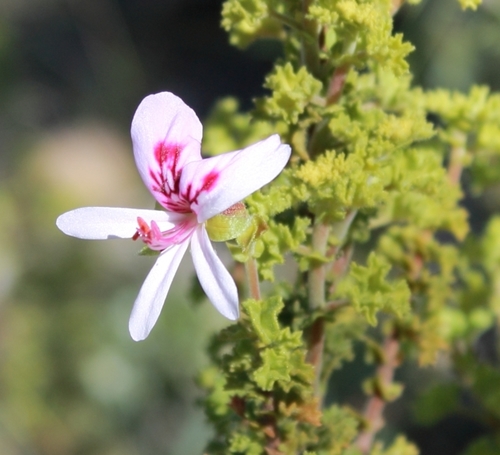
iNaturalist· cc-by
(c) Cheng-Tao Lin, some rights reserved (CC BY), uploaded by Cheng-Tao Lin
Summary
A perennial reaching 1 m in height. Hardy to UK zone 7. Blooms July to August. Hermaphroditic flowers pollinated by insects. Thrives in light sandy, medium loamy, and heavy clay soils with mildly acidic to basic pH. Requires full sun and prefers consistently moist soil.
Description
A herb. It grows about 50 cm high. The branches have long soft hairs. The leaves have long stalks. They are opposite. They have 3-5 lobes. The flowers are pink with purple veins. The fruit is a capsule. It splits open from the base to the tip.
Edible Uses
The leaves are edible, though no further details are given. The fruits can be chewed fresh; the fruit is a small dry capsule.
Traditional Uses
The fruits are chewed fresh. The leaves are eaten with oil and salt.
This uses section is brief — help expand it
Medicinal Uses
The whole plant is antibacterial and astringent. It is prescribed for nervous diseases, numbness of the limbs, pains, rheumatism, and renal diseases. The plant juice is particularly valued in treating renal diseases.
Distribution
It is a temperate plant. In Nepal plants grow from 1000-4000 m altitude. In Sichuan and Yunnan.
Where It Grows
Afghanistan, Asia, Bhutan, China, Himalayas, India, Indochina, Indonesia, Japan, Korea, Laos, Myanmar, Nepal, Northeastern India, Pakistan, SE Asia, Sri Lanka, Thailand, Tibet, Vietnam,
Cultivation
Succeeds in any moderately fertile retentive soil in a sunny position. Tolerates a wide range of soil types. Members of this genus are rarely if ever troubled by browsing deer or rabbits.
Propagation
Sow seed in spring in a cold frame. Once seedlings are large enough to handle, prick them out into individual pots and plant out during summer. Divide plants in spring or autumn. Larger clumps can be replanted directly into permanent positions, though smaller clumps are better potted up and grown on in a cold frame until rooting well, then planted out in spring.
Other Uses
A red dye, similar to that obtained from Rubia cordifolia, is extracted from the root. The root contains 25–32% tannins.
Notes
There are about 300-400 Geranium species. They are mostly temperate.
Synonyms
Also Known As
Bhanda, Bhand, Chunetro ghans, Roel, Thketh-do-thpah
References (7)
- Ambasta, S.P. (Ed.), 2000, The Useful Plants of India. CSIR India. p 234
- Ding, X., 2021, Collection calendar: the diversity and local knowledge of wild edible plants used by Chenthang Sherpa people to treat seasonal food shortages in Tibet, China. Journal of Ethnobiology and Ethnomedicine 17:40
- Flora of Pakistan. www.eFloras.org
- Geraniaceae 1: t. 12. 1820
- Manandhar, N.P., 2002, Plants and People of Nepal. Timber Press. Portland, Oregon. p 244
Show all 7 references Hide references
- Plants for a Future database, The Field, Penpol, Lostwithiel, Cornwall, PL22 0NG, UK. http://www.scs.leeds.ac.uk/pfaf/
- READ,