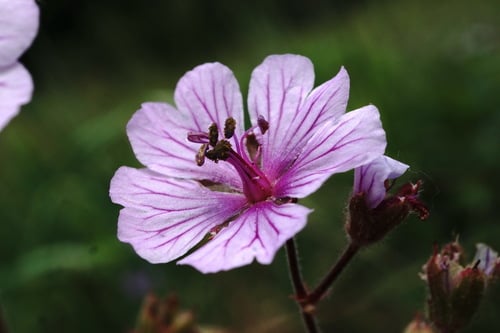
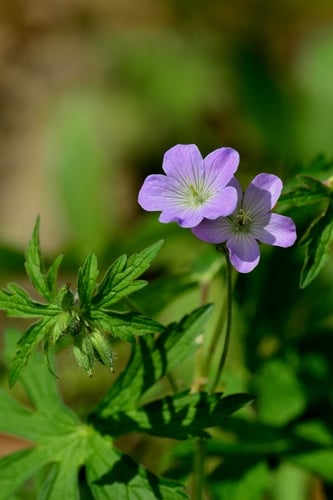
Erodium cicutarium bipinnatum
Tourlet.
gbif· cc-by-nc
Steve Cole
gbif· cc-by-nc
sidetracker
gbif· cc-by-nc
sidetracker
Description
Erodium cicutarium bipinnatum is a ANNUAL/BIENNIAL. It is in flower from June to September. The species is hermaphrodite (has both male and female organs) and is pollinated by Bees, beetles, Lepidoptera (Moths & Butterflies). The plant is self-fertile. Suitable for: light (sandy), medium (loamy) and heavy (clay) soils and prefers well-drained soil. Suitable pH: neutral and basic (mildly alkaline) soils and can grow in very alkaline soils. It cannot grow in the shade. It prefers moist soil. The plant can tolerate maritime exposure.
Edible Uses
Root - tuberous. The following report is for E. cicutarium, but is also likely to be true for this sub-species. Young leaves - raw or cooked as a potherb. Tasty and nutritious. The leaves are added to salads, sandwiches, soups etc, they can be used in recipes that call for leaves of beet, plantain, sow thistle or amaranth.
Distribution
W. Europe to N. Africa.
Where It Grows
Coming Soon
Cultivation
We have very little information on this species and do not know if it will be hardy in Britain, though judging by its native range it should succeed outdoors in most parts of the country. Plants are likely to resist maritime exposure. The following notes are based on the general needs of the genus. Prefers a sunny well-drained position and a limy soil or at least one that is not acid.
Propagation
Seed - sow in situ as soon as the seed is ripe in the late summer. The seed can also be sown in situ in late spring. Germination usually takes place within 3 weeks.
Other Uses
Dye Weather forecasting. The following reports are for E. cicutarium, but are also likely to be true for this sub-species. A green dye is obtained from the whole plant. It does not require a mordant. The remnants of the styles are very hygroscopic, they can be used in hygrometers and as weather indicators.