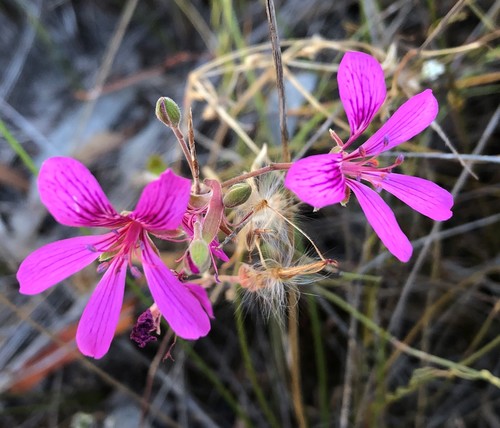
Erodium glaucophyllum
(L.) L'Her
Glaucus-leaved cranesbill
iNaturalist· cc-by-nc
(c) sami-youssef, some rights reserved (CC BY-NC), uploaded by sami-youssef
iNaturalist· cc-by-nc
(c) Thomas Friedrich, some rights reserved (CC BY-NC)
Description
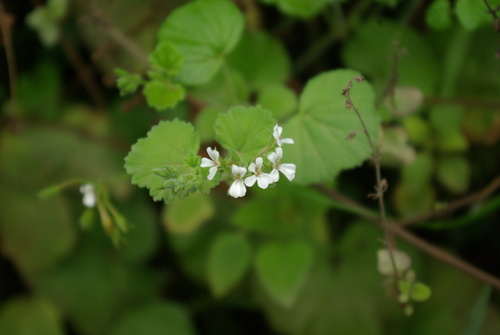
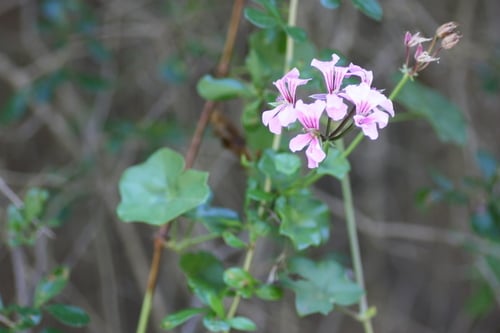
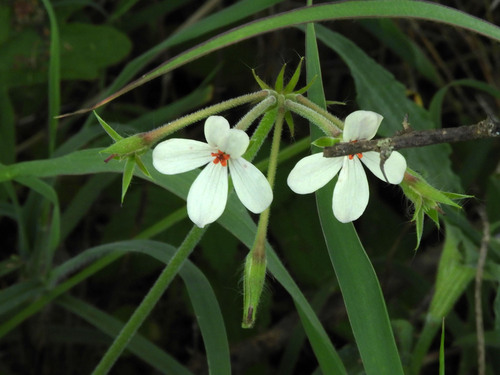
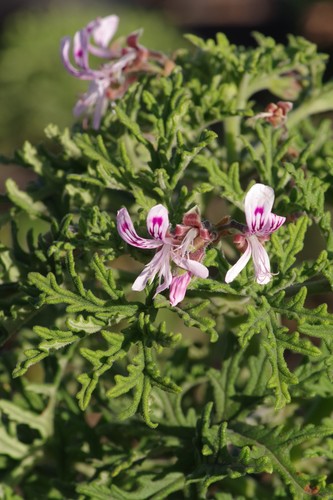
A herb that keeps growing from year to year. It grows 10-40 cm high. It can be higher in better locations. The leaves are bright green. The leaves are broad and have lobes. They grow from the base on long stalks. The flowers are deep pink or purple. They have 5 petals. The fruit is a seed pod with a long beak. This bursts open to release seeds. The seeds have long feathery processes.
Edible Uses
The seeds are eaten.
Distribution
A tropical plant. In Bahrain it grows in gravelly and stony soils. It grows in the Sahara.
Where It Grows
Africa, Arabia, Bahrain, Egypt, Iran, Iraq, Mediterranean, Middle East, Morocco, North Africa, Pakistan, Palestine, Syria, Western Sahara,
Notes
There are about 200 Erodium species.
Synonyms
Also Known As
Kabsheeyah, Kebaisha, Serrah enneireb, Temmair
References (4)
- Jardin, C., 1970, List of Foods Used In Africa, FAO Nutrition Information Document Series No 2.p 43
- Nassif, F., & Tanji, A., 2013, Gathered food plants in Morocco: The long forgotten species in Ethnobotanical Research. Life Science Leaflets 3:17-54
- Phillips, D.C., 1988, Wild Flowers of Bahrain. A Field Guide to Herbs, Shrubs, and Trees. Privately published. p 91
- Rivera, D. et al, 2006, Gathered Mediterranean Food Plants - Ethnobotanical Investigations and Historical Development, in Heinrich M, Müller WE, Galli C (eds): Local Mediterranean Food Plants and Nutraceuticals. Forum Nutr. Basel, Karger, 2006, vol 59, pp 18–74