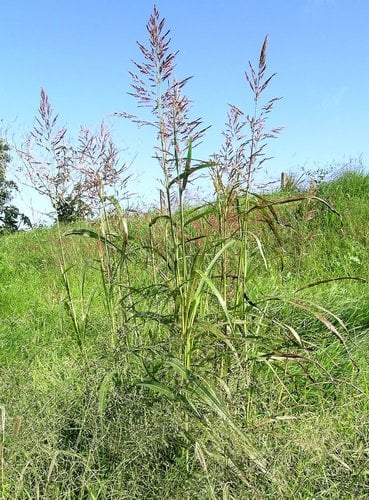
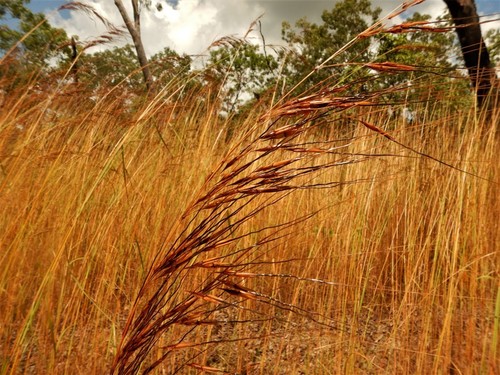
Festuca ovina
L.
Sheep’s fescue
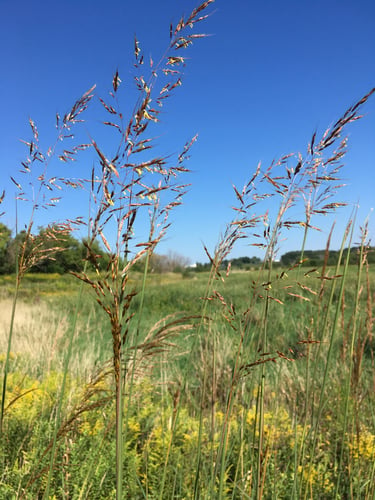
iNaturalist· cc-by-nc
(c) Руслан Цвірко, some rights reserved (CC BY-NC), uploaded by Руслан Цвірко
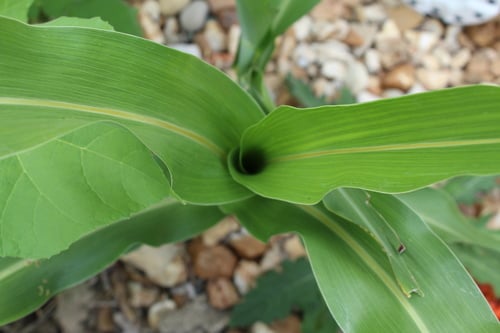
iNaturalist· cc-by-nc
(c) Hanna, some rights reserved (CC BY-NC), uploaded by Hanna
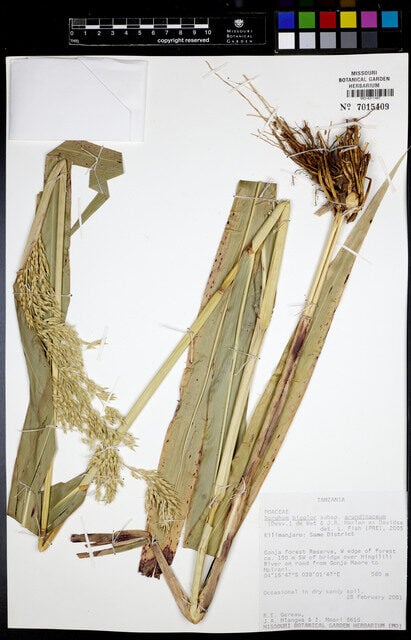
iNaturalist· cc-by
(c) Cheng-Tao Lin, some rights reserved (CC BY), uploaded by Cheng-Tao Lin
Summary
Source: WikipediaFestuca ovina, sheep's fescue or sheep fescue, is a species of grass. It is sometimes confused with hard fescue (Festuca trachyphylla).
Description
A tussock forming grass. It grows 60 cm high and spreads 40 cm wide. The leaves are fine and blue-green. The flowers are in panicles and are also blue-green. These are on tall wiry stems.
Edible Uses
The seed is edible, though it is quite small and would be fiddly to collect and use in any quantity.
Medicinal Uses
None known.
Distribution
It is a temperate plant. In China it grows in alpine meadows between 1,000-4,400 m above sea level. It suits hardiness zones 5-9. Tasmanian Herbarium. In Sichuan and Yunnan.
Where It Grows
Asia, Australia, Balkans, Caucasus, China, Europe, Japan, Korea, Macedonia, Mongolia, North America, Russia, Slovenia, Taiwan, Tasmania, Tibet, USA,
Cultivation
Prefers a light well-drained soil in full sun. A drought resistant plant once established, it succeeds on shallow chalky soils. Tolerant of constant cutting, this plant is often grown in lawns.
Propagation
Sow seed in spring directly in situ; it typically germinates within three weeks. Division in spring is very easy — clumps can be lifted and replanted directly into their permanent positions.
Other Uses
None known.
Notes
There are over 300 Festuca species.
Also Known As
Ovčja bilnica
References (6)
- Beckstrom-Sternberg, Stephen M., and James A. Duke. "The Foodplant Database." http://probe.nalusda.gov:8300/cgi-bin/browse/foodplantdb.(ACEDB version 4.0 - data version July 1994)
- Cundall, P., (ed.), 2004, Gardening Australia: flora: the gardener's bible. ABC Books. p 601
- Heywood, V.H., Brummitt, R.K., Culham, A., and Seberg, O., 2007, Flowering Plant Families of the World. Royal Botanical Gardens, Kew. p 390
- Morley, B. & Everard, B., 1970, Wild Flowers of the World. Ebury press. Plate 7
- Plants for a Future database, The Field, Penpol, Lostwithiel, Cornwall, PL22 0NG, UK. http://www.scs.leeds.ac.uk/pfaf/
Show all 6 references Hide references
- Sp. pl. 1:73. 1753