Schizostachyum lima
(Blanco) Merr.
Anos Bamboo
iNaturalist· cc-by-sa
(c) filibot.web, some rights reserved (CC BY-SA)
wikimedia· cc-by-sa
Wikimedia Commons - FredHornaday
wikimedia· cc-by-sa
Wikimedia Commons - Vis M
Summary
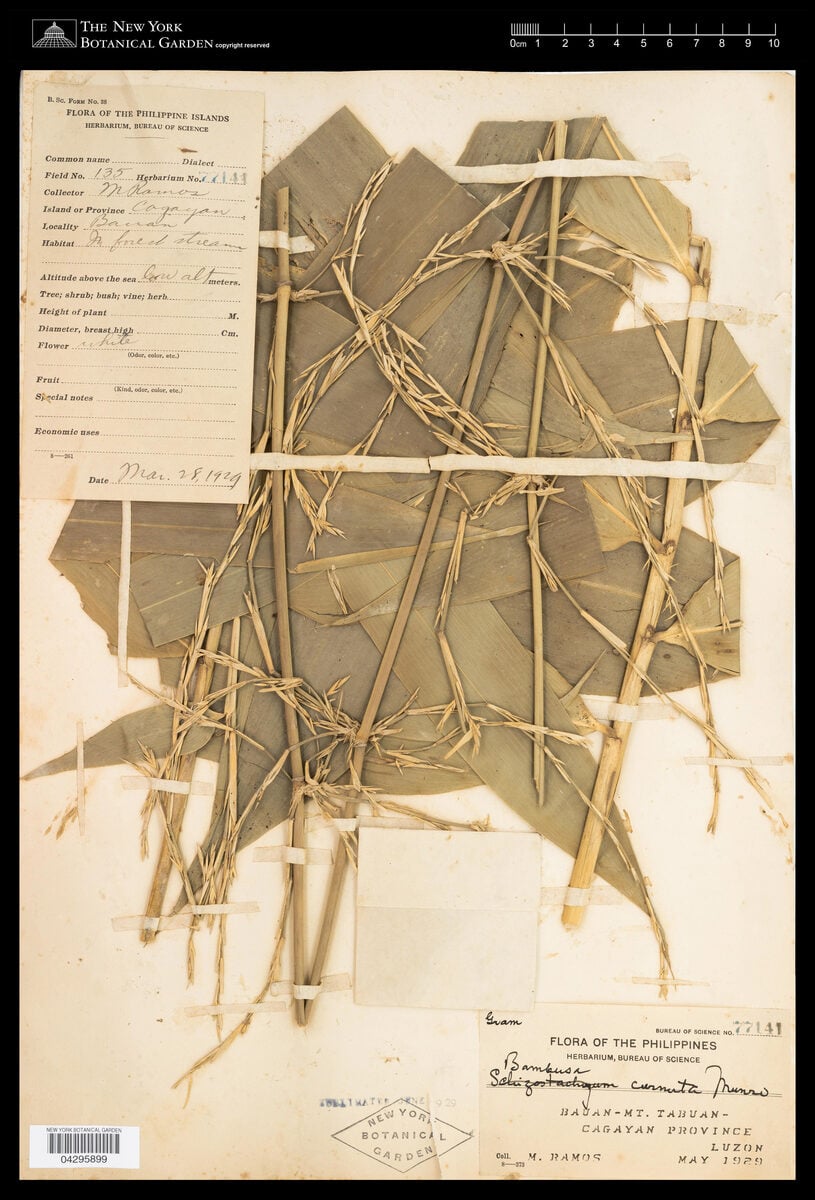
Source: WikipediaSchizostachyum lima is a species of flowering plant in the family Poaceae. It is a bamboo that in Tagalog is commonly called anos / bokawe / bocaue, and in Cebuano: bagakay. It is propagated using seeds or rhizome cuttings. In the Philippines, it is often used for making sawali, fishing rods, and musical instruments. In some rural areas of the country, midwives still use sharp knives made of Schizostachyum lima to cut the newborn's umbilical cord. The name of the Barangay (village) of Anos in Los Baños, Laguna is derived from this species.
Description
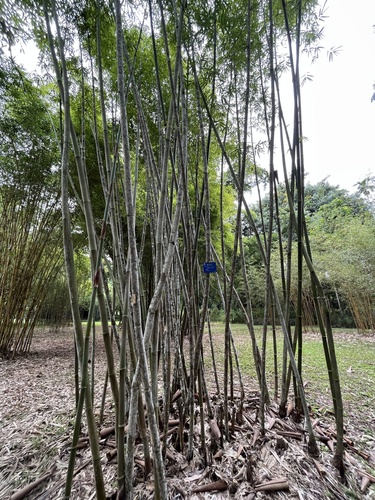
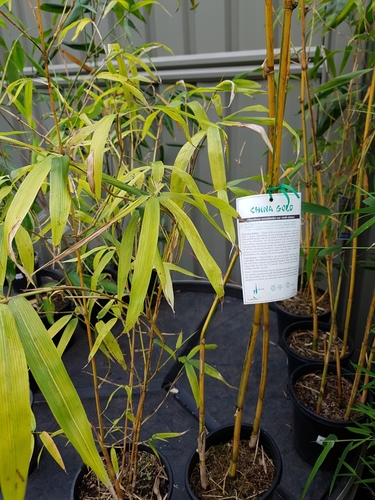
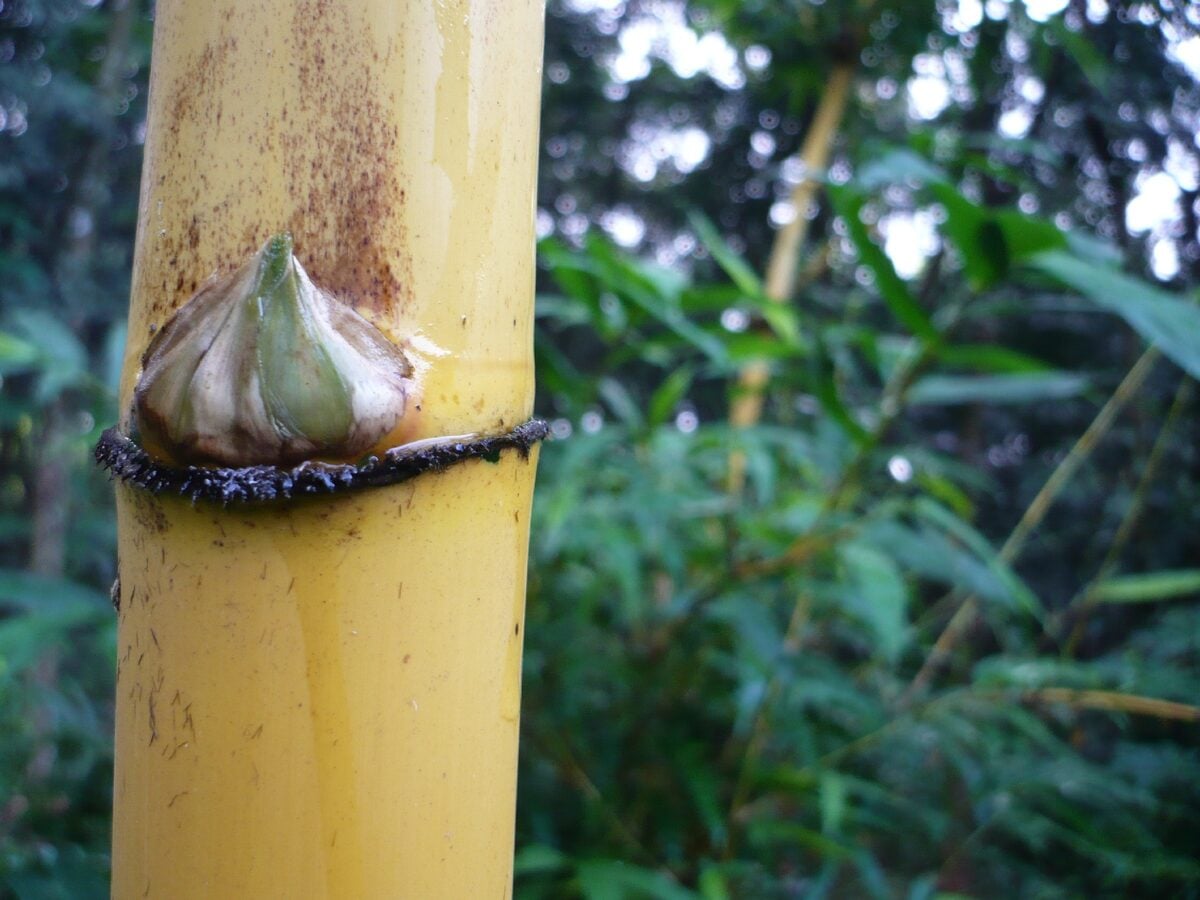
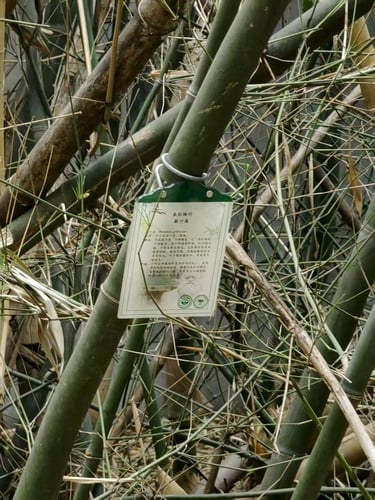
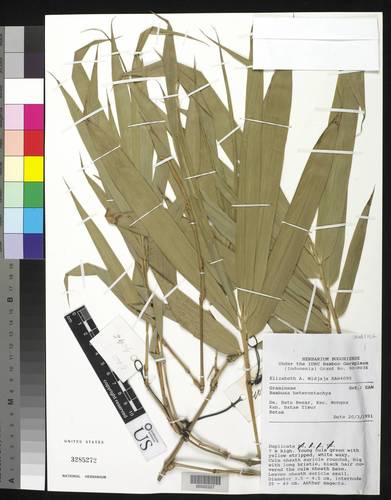
An endemic erect thin walled bamboo. It is distinguished among all the Philippines forms by long internodes usually about 1m in length. The stem is about 2.5 to 4.8 cm across and green without spines. Branches on the fifth node may or may not be present.
Edible Uses
The young shoots are cooked and eaten.
Traditional Uses
The young shoots are cooked and eaten.
This uses section is brief — help expand it
Distribution
A tropical plant. Widely distributed in the Philippines from northern Luzon to Palawan and Mindanao in shrub and secondary forests at low and medium altitudes. In the Cairns Botanical Gardens.
Where It Grows
Asia, Australia, Marianas, Micronesia, Pacific, Papua New Guinea, PNG, Philippines, SE Asia, Solomon Islands, Yap,
Cultivation
Requires relatively moist soil conditions. Hardly any information is available on the growth and development of this plant. Three-year-old clumps contain on average 150 culms. Culms have their maximum diameter 2 metres above ground level. Bamboos have an interesting method of growth. Each plant produces a number of new stems annually - these stems grow to their maximum height in their first year of growth, subsequent growth in the stem being limited to the production of new side branches and leaves. In the case of some mature tropical species the new stem could be as much as 30 metres tall, with daily increases in height of 30cm or more during their peak growth time. This makes them some of the fastest-growing species in the world. Bamboos in general are usually monocarpic, living for many years before flowering, then flowering and seeding profusely for a period of 1 - 3 years before usually dying. The sporadic flowering of this species occurs regularly, but gregarious flowering has never been reported.
Other Uses
The culm has a rough surface, which is used for smoothing bronze. The culms are used as a construction material for housing; they are flattened to use as flooring; they are used to make musical instruments, fishing rods, rice-winnowing baskets, bobbins for weaving looms etc. The culms are split to make material for weaving into bamboo mattings (known as 'sawali') and other woven wares. It is reported that this bamboo must be boiled before it can be used for making fans, cushions, and hats. The long internodes are often used as containers for items such as molasses and tobacco - these are often carved with a beautiful low relief. In New Guinea the culms are often used as walls, sometimes after being flattened and woven into sheets, and also for bow strings.
Synonyms
Also Known As
Guigou, Puw
References (7)
- Amer. J. Bot. 3:62. 1916
- Dransfield & Widjaja, 1995,
- Hibbert, M., 2002, The Aussie Plant Finder 2002, Florilegium. p 288
- Hoare, A., 2003, Food use of the Lundayeh SW Sabah. Borneo Research Council.
- Mansfeld,
Show all 7 references Hide references
- Monsalud, M.R., Tongacan, A.L., Lopez, F.R., & Lagrimas, M.Q., 1966, Edible Wild Plants in Philippine Forests. Philippine Journal of Science. p 473
- www.manoa.hawaii.edu/botany/plants of micronesia