Schizostachyum dullooa
(Gamble) R. B. Majumdar
Dulu bamboo, Duullooa bamboo
gbif· cc-by-nc-nd
H. Sinivassin
gbif· cc-by-nc-nd
H. Sinivassin
gbif· cc-by-nc-nd
H. Sinivassin
Description
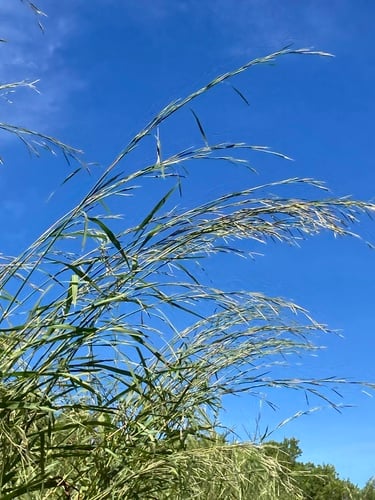
A bamboo. It keeps growing from year to year. It grows in tufts. The stems (culms) are erect and 6-9 m long. They are 3-7 cm across. They are woody. The internodes are 40-75 cm long and hollow. The sheaths are 12-30 cm long and 10-25 cm wide.
Edible Uses
The young shoots are cooked with meat and fish.
Traditional Uses
The young shoots are cooked with meat and fish.
This uses section is brief — help expand it
Distribution
It is a tropical plant. It grows between 350-1,500 m above sea level in north Thailand.
Where It Grows
Asia, Bangladesh, Bhutan, Himalayas, India, Indochina, Myanmar, Northeastern India, SE Asia, Thailand, Vietnam,
Cultivation
The plant is capable of growing on coarse textured soil provided there is sufficient moisture, and is seen on soils originating from sand stone. Bamboos have an interesting method of growth. Each plant produces a number of new stems annually - these stems grow to their maximum height in their first year of growth, subsequent growth in the stem being limited to the production of new side branches and leaves. In the case of some mature tropical species the new stem could be as much as 30 metres tall, with daily increases in height of 30cm or more during their peak growth time. This makes them some of the fastest-growing species in the world. Bamboos in general are usually monocarpic, living for many years before flowering, then flowering and seeding profusely for a period of 1 - 3 years before usually dying. This species has a period of 15 years between flowering.
Other Uses
The culms are generally used for making baskets, mats and small boxes[361. They have also been used for making containers to carry water, for making umbrellas, masts, poles and in light construction. The canes are usually harvested when 3 years old.
Synonyms
Also Known As
Phai hia, Raw-thla
References (3)
- Dagar, J. C., (Ed.), Agroforestry Systems in India: Livelihood Security & Ecosystem Services. p 77
- Kar, A., et al, 2013, Wild Edible Plant Resources used by the Mizos of Mizoram, India. Kathmandu University Journal of Science, Engineering and Technology. Vol. 9, No. 1, July, 2013, 106-126
- Waikhom, S. D., et al, 2013, Grappling the High Altitude for Safe Edible Bamboo Shoots with Rich Nutritional Attributes and Escaping Cyanogenic Toxicity. BioMed Reserch International. Voluyme 2013 Article ID 289285, 11 pages