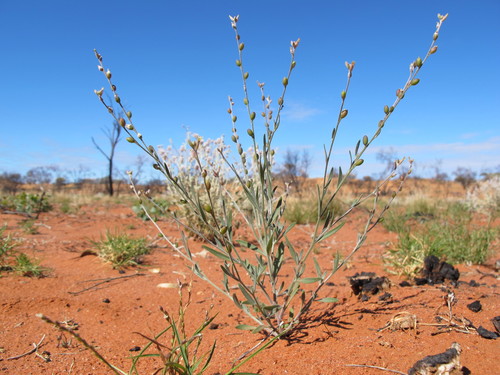
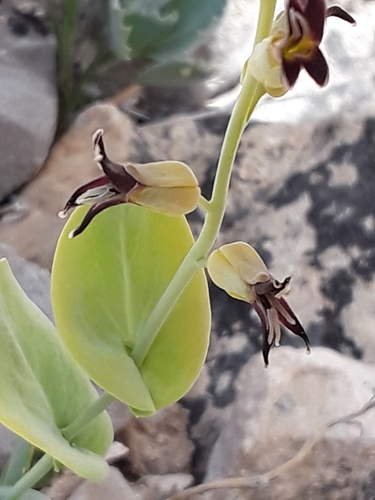
Brassica napus var. annua
W. D. J. Koch
Summer rape
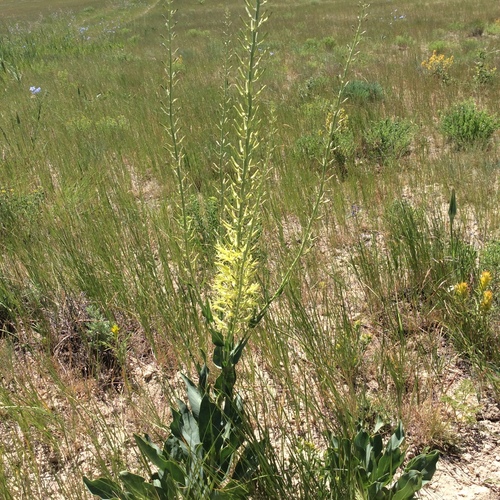
iNaturalist· cc-by
(c) Pavel Kacl, some rights reserved (CC BY), uploaded by Pavel Kacl
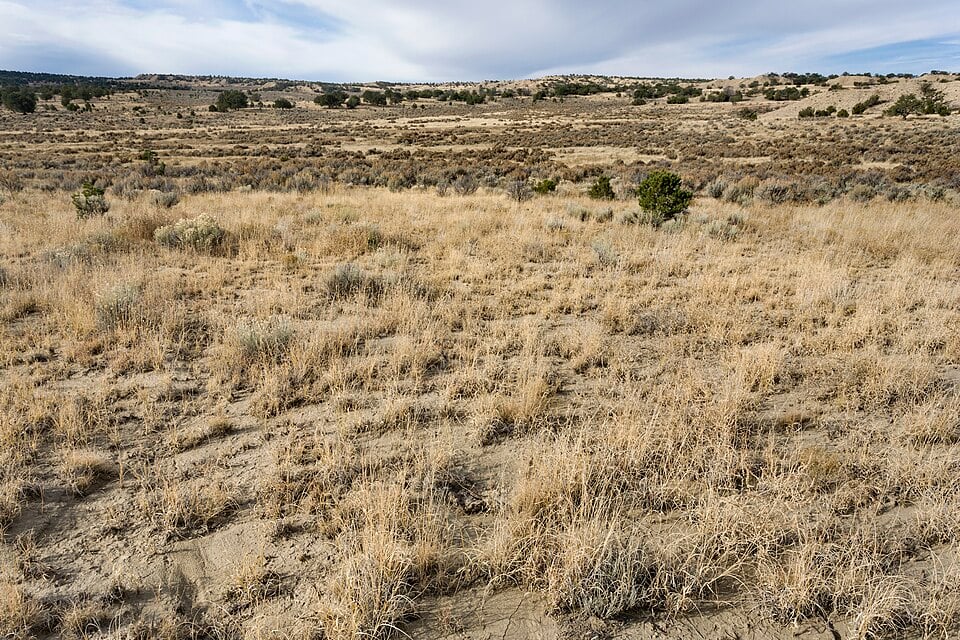
iNaturalist· cc-by
(c) Thomas Ebner, some rights reserved (CC BY)
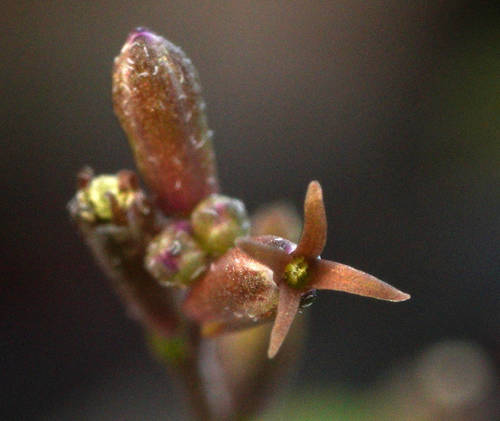
iNaturalist· cc-by
(c) Thomas Ebner, some rights reserved (CC BY)
Description
A cultivated Brassicaceae herb found in temperate regions, grown for its edible leaves.
This description is brief — help expand it
Edible Uses
This family includes important agricultural crops, among which many vegetables such as cabbage, broccoli, cauliflower, kale, Brussels sprouts, collard greens, Savoy, kohlrabi, and gai lan (Brassica oleracea), turnip, napa cabbage, mizuna, bok choy and rapini (Brassica rapa), rocket salad/arugula (Eruca sativa), garden cress (Lepidium sativum), watercress (Nasturtium officinale) and radish (Raphanus) and a few spices like horseradish (Armoracia rusticana), wasabi (Eutrema japonicum), white, brown and black mustard (Sinapis alba, Brassica juncea and B. nigra respectively). Vegetable oil is produced from the seeds of several species such as Brassica napus (rapeseed oil), perhaps providing the largest volume of vegetable oils of any species. Woad (Isatis tinctoria) was used in the past to produce a blue textile dye (indigo), but has largely been replaced by the same substance from unrelated tropical species like Indigofera tinctoria. Pringlea antiscorbutica, commonly known as Kerguelen cabbage, is edible, containing high levels of potassium. Its leaves contain a vitamin C-rich oil, a fact which, in the days of sailing ships, made it very attractive to sailors suffering from scurvy, hence the species name's epithet antiscorbutica, which means "against scurvy" in Low Latin. It was essential to the diets of the whalers on Kerguelen when pork, beef, or seal meat was used up. The Brassicaceae also includes ornamentals, such as species of Aethionema, Alyssum, Arabis, Aubrieta, Aurinia, Cheiranthus, Erysimum, Hesperis, Iberis, Lobularia, Lunaria, Malcolmia, and Matthiola. Honesty (Lunaria annua) is cultivated for the decorative value of the translucent remains of the fruits after drying. It can be a pest species in areas where it is not native. The small Eurasian weed Arabidopsis thaliana is widely used as model organism in the study of the molecular biology of flowering plants (Angiospermae). Some species are useful as food plants for Lepidoptera, such as certain wild mustard and cress species, such as Turritis glabra and Boechera laevigata that are utilized by several North American butterflies.
Medicinal Uses
Almost all Brassicaceae have C3 carbon fixation. The only exceptions are a few Moricandia species, which have a hybrid system between C3 and C4 carbon fixation, C4 fixation being more efficient in drought, high temperature and low nitrate availability. Brassicaceae contain different cocktails of dozens of glucosinolates. They also contain enzymes called myrosinases, that convert the glucosinolates into isothiocyanates, thiocyanates and nitriles, which are toxic to many organisms, and so help guard against herbivory.
Distribution
It is a temperate plant.
Where It Grows
Europe, France, Germany,
Other Information
It is cultivated.
Notes
There are about 30 Brassica species and many cultivated varieties.
References (3)
- Syn. fl. germ. helv. 55. 1836 ("1835")
- van Wyk, B., 2005, Food Plants of the World. An illustrated guide. Timber press. p 97
- Wiersema, J. H. & Leon, B., 2013, World Economic Plants. A Standard Reference CRC Press. 2nd Ed. p 113