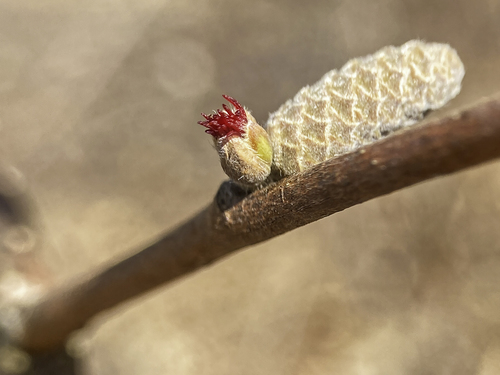
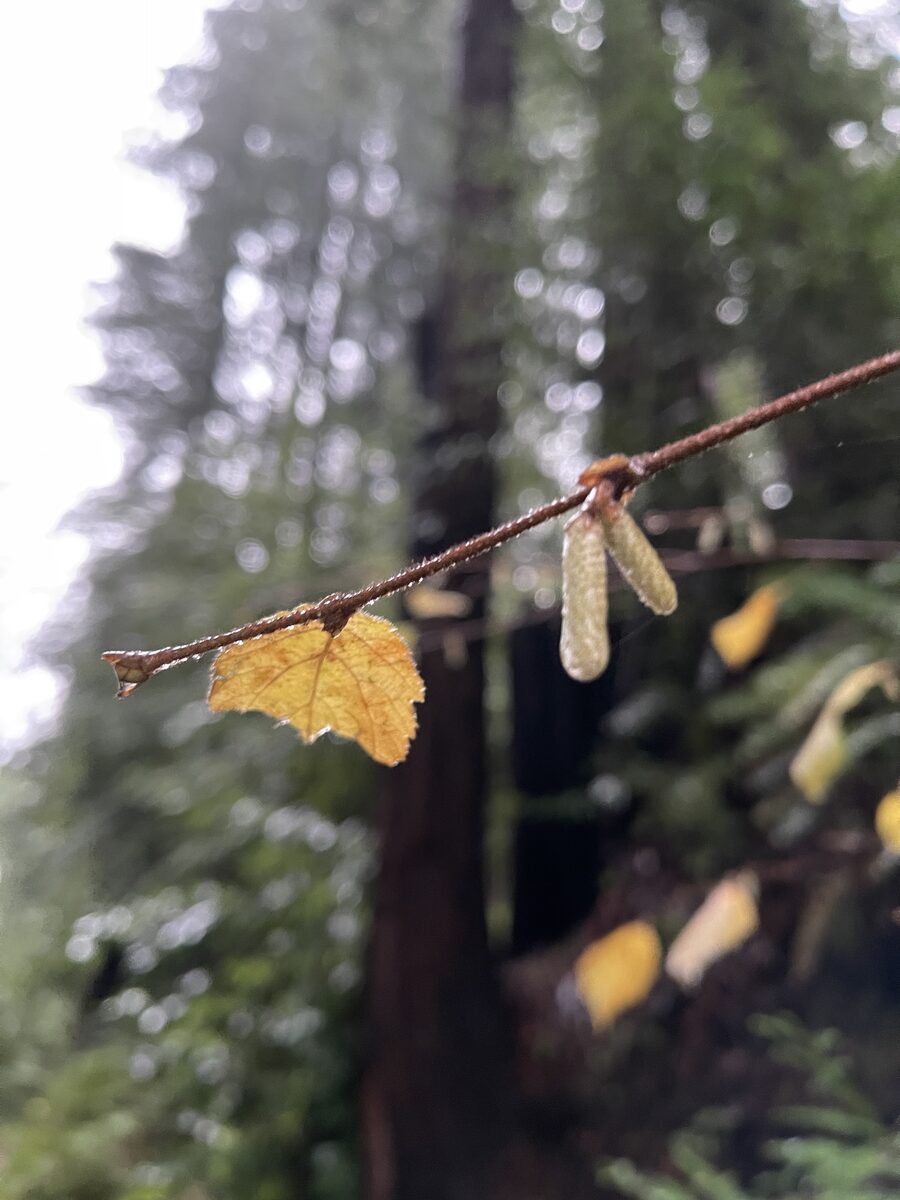
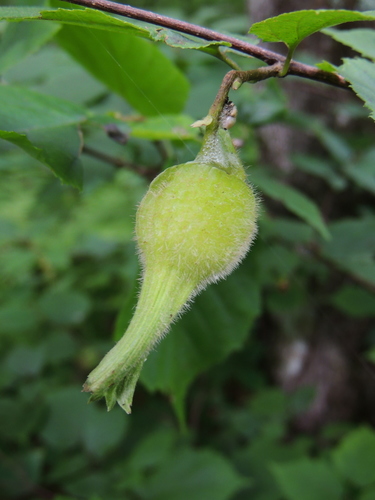
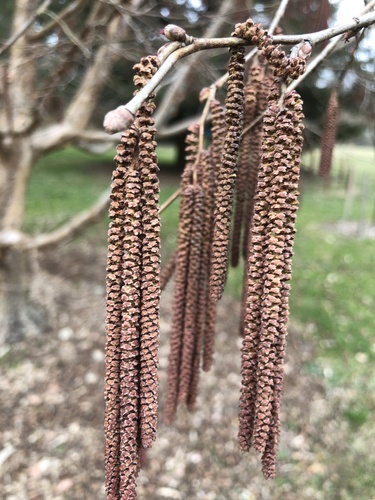
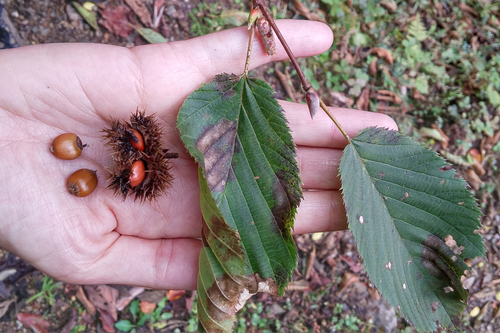
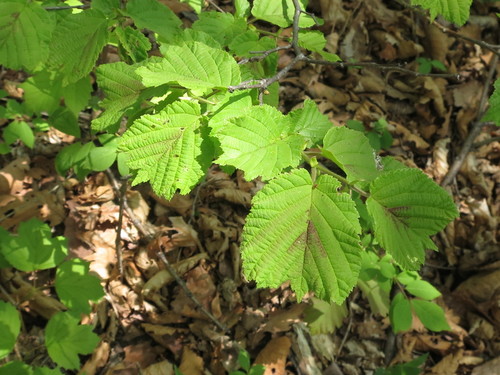
Alnus viridis crispa - (Aiton.)Turrill.
(Aiton.)Turrill.
American Green Alder
gbif· cc-by-nc
President and Fellows of Harvard College
gbif· cc-by-nc
President and Fellows of Harvard College
gbif· cc-by
Royal Botanic Gardens, Kew
Description
Alnus viridis crispa is a deciduous Shrub growing to 3 m (9ft) by 3 m (9ft). See above for USDA hardiness. It is hardy to UK zone 4. It is in flower from April to May. The species is monoecious (individual flowers are either male or female, but both sexes can be found on the same plant) and is pollinated by Wind. It can fix Nitrogen. Suitable for: medium (loamy) and heavy (clay) soils and can grow in heavy clay and nutritionally poor soils. Suitable pH: mildly acid, neutral and basic (mildly alkaline) soils. It can grow in semi-shade (light woodland) or no shade. It prefers moist or wet soil.
Edible Uses
Catkins - raw or cooked. A bitter taste.
Medicinal Uses
Abortifacient Appetizer Astringent Emetic Emmenagogue Haemostatic Poultice Skin Stomachic Tonic. The bark is astringent, emetic, haemostatic, stomachic and tonic. The bark was burnt as an inhalant in the treatment of rheumatism. The ashes were also used as a tooth cleaner. A decoction of the inner bark has been used as a carminative to reduce gas in the stomach and as a febrifuge. A decoction of the plant has been used in a steam treatment to bring about menstruation - it has been used as an abortifacient. A poultice of the leaves has been used to treat infected wounds or sores. The poultice was left in place over the wound until the leaves stuck to it and was then pulled off, removing the 'poison' with it. An infusion of the plant tops was given to children with poor appetites.
Distribution
Eastern N. America - Labrador to Alaska and Newfoundland and southwards.
Where It Grows
Coming Soon
Cultivation
Prefers a heavy soil and a damp situation. Grows well in heavy clay soils. A useful plant for cold damp places. Tolerates lime and very infertile sites. This species has a symbiotic relationship with certain soil micro-organisms, these form nodules on the roots of the plants and fix atmospheric nitrogen. Some of this nitrogen is utilized by the growing plant but some can also be used by other plants growing nearby. In garden design, as well as the above-ground architecture of a plant, root structure considerations help in choosing plants that work together for their optimal soil requirements including nutrients and water.
Propagation
Seed - best sown in a cold frame as soon as it is ripe and only just covered. Spring sown seed should also germinate successfully so long as it is not covered. The seed should germinate in the spring as the weather warms up. When large enough to handle, prick the seedlings out into individual pots. If growth is sufficient, it is possible to plant them out into their permanent positions in the summer, otherwise keep them in pots outdoors and plant them out in the spring. If you have sufficient quantity of seed, it can be sown thinly in an outdoor seed bed in the spring. The seedlings can either be planted out into their permanent positions in the autumn/winter, or they can be allowed to grow on in the seed bed for a further season before planting them. Cuttings of mature wood, taken as soon as the leaves fall in autumn, outdoors in sandy soil.
Other Uses
Dye TeethAn orange-red to brown dye can be obtained from the bark. Nitrogen fixer.