Corylus ferox
Wall.
Himalayan hazel
iNaturalist· cc-by
(c) Kristof & Yulia, some rights reserved (CC BY), uploaded by Kristof & Yulia
iNaturalist· cc-by-nc
(c) Pete Woodall, some rights reserved (CC BY-NC)
iNaturalist· cc-by-nc
(c) Pete Woodall, some rights reserved (CC BY-NC)
Summary
Source: WikipediaCorylus ferox, the Himalayan hazelnut or Tibetan hazelnut, is a species of hazel native to the Himalayas of eastern Asia.
Description
A tree. It grows to about 10-20 m high. The bark is dark grey and cracked. The young shoots have silky hairs. The leaves are 4.5-16 cm long by 2.5-7.5 cm wide. They are oval and taper to the tip. They have fine teeth around the edges. They are hairy especially underneath. The flowers are yellow. The fruit is a nut. They are oval. They occur in dense clusters. They are tightly packed together. They are slightly flattened.
Edible Uses
The seed can be eaten raw or cooked. It is small with a thick shell, and tastes similar to the common filbert, C. maxima. The seed ripens in mid to late autumn and will likely need protection from squirrels. Stored unshelled in a cool place, nuts keep for at least 12 months. An edible oil is also obtained from the seed.
Traditional Uses
The kernel of the fruit, or nuts are roasted and eaten. The fruit are eaten raw.
This uses section is brief — help expand it
Medicinal Uses
None known
Known Hazards
None known
Distribution
It is a temperate plant. It grows in forests on mountain slopes between 1500–3800 m altitude in China. In Nepal they grow between 2600-3200 m altitude.
Where It Grows
Asia, Bhutan, China, Himalayas, India, Indochina, Myanmar, Nepal, Northeastern India, SE Asia, Sikkim, Tibet,
Cultivation
An easily grown plant, it succeeds in most soils, but is in general more productive of seeds when grown on soils of moderate fertility. It does less well in rich heavy soils or poor ones. Does well in a loamy soil. Very suitable for an alkaline soil, but it dislikes very acid soils. Plants are fairly wind tolerant. This species is not hardy in the colder areas of the country, it tolerates temperatures down to between -5 and -10°c. Members of this genus bear transplanting well and can be easily moved even when relatively large.
Propagation
Seed is best sown as soon as it is harvested in autumn in a cold frame, germinating in late winter or spring. Stored seed should be pre-soaked in warm water for 48 hours, then given 2 weeks of warm stratification followed by 3–4 months of cold stratification; it germinates in 1–6 months at 20°C. When large enough to handle, prick seedlings out into individual pots and grow on in a cold frame or sheltered spot outdoors through their first winter, then plant out in late spring or early summer. Layering in autumn is easy and takes about 6 months. Division of suckers in early spring is very easy; divisions can be planted straight into permanent positions.
Other Uses
An oil is obtained from the seed. The wood is soft and even-grained.
Production
In Sikkim fruit are available July to November.
Notes
There are about 15 Corylus species.
Also Known As
Byangs, Cei pei, Ci zhen, Curri, Langura, Lekh katus, Ri long, Suo jie, Thekiphal
References (15)
- Ambasta, S.P. (Ed.), 2000, The Useful Plants of India. CSIR India. p 142
- Cheng, Z., et al, 2022, Ethnobotanical study on wild edible plants used by Dulong people in northwestern Yunnan, China. Journal of Ethnobiology and Ethnomedicine (2022) 18:3
- Ding, X., 2021, Collection calendar: the diversity and local knowledge of wild edible plants used by Chenthang Sherpa people to treat seasonal food shortages in Tibet, China. Journal of Ethnobiology and Ethnomedicine 17:40
- Facciola, S., 1998, Cornucopia 2: a Source Book of Edible Plants. Kampong Publications, p 82
- Guo, C., et al, 2022, An Ethnobotany Survey of Wild Plants Used by the Tibetan People of the Yadong River Valley, Tibet, China. Journal of Ethnobiology and Ethnomedicine
Show all 15 references Hide references
- Hedrick, U.P., 1919, (Ed.), Sturtevant's edible plants of the world. p 221
- Kang, Y., et al, 2014, Wild food plants used by the Tibetans of Gongba Valley (Zouqu country, Gansu, China) Journal of Ethnobiology and Ethnomedicine 10:20
- Lu De-quan, BASELLACEAE [Draft], Flora of China
- Manandhar, N.P., 2002, Plants and People of Nepal. Timber Press. Portland, Oregon. p 172
- Pl. asiat. rar. 1:77, t. 87. 1830
- Plants for a Future, The Field, Penpol, Lostwithiel, Cornwall, PL22 0NG, UK. http://www.scs.leeds.ac.uk/pfaf/
- Singh, H.B., Arora R.K.,1978, Wild edible Plants of India. Indian Council of Agricultural Research, New Delhi. p 81
- Sundriyal, M., et al, 2004, Dietary Use of Wild Plant Resources in the Sikkim Himalaya, India. Economic Botany 58(4) pp 626-638
- Wickens, G.E., 1995, Edible Nuts. FAO Non-wood forest products. FAO, Rome. p 118
- Wild edible plants of Himachal Pradesh
More from Betulaceae
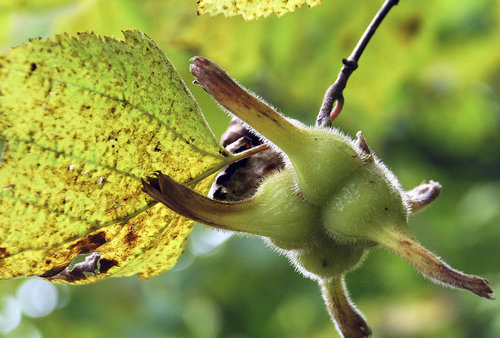
Corylus mandshurica
Manchurian hazel nut
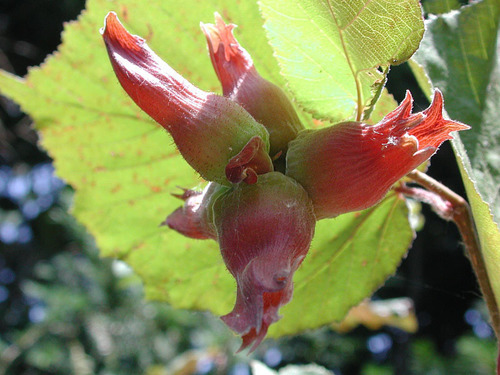
Corylus maxima
Filbert tree, Giant filbert, Purple-leaf hazel
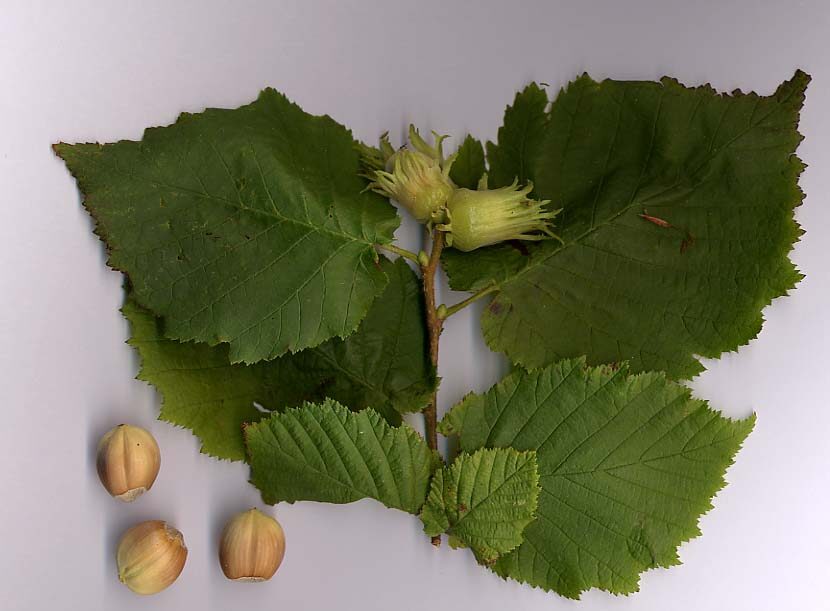
Corylus sieboldiana
Japanese hazel, Siebold's hazel
Corylus sieboldiana mandschurica - (Maxim.&Rupr.)Sc
Hairy hazel, Japanese hazelnut
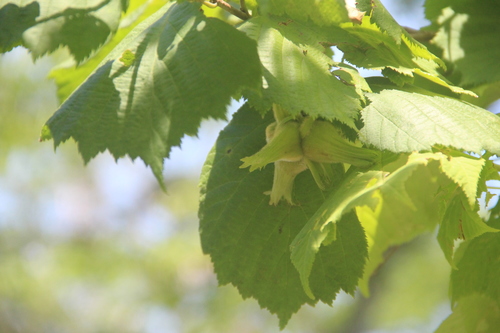
Corylus sieboldiana subsp. mandschurica
Hairy hazel, Japanese hazelnut
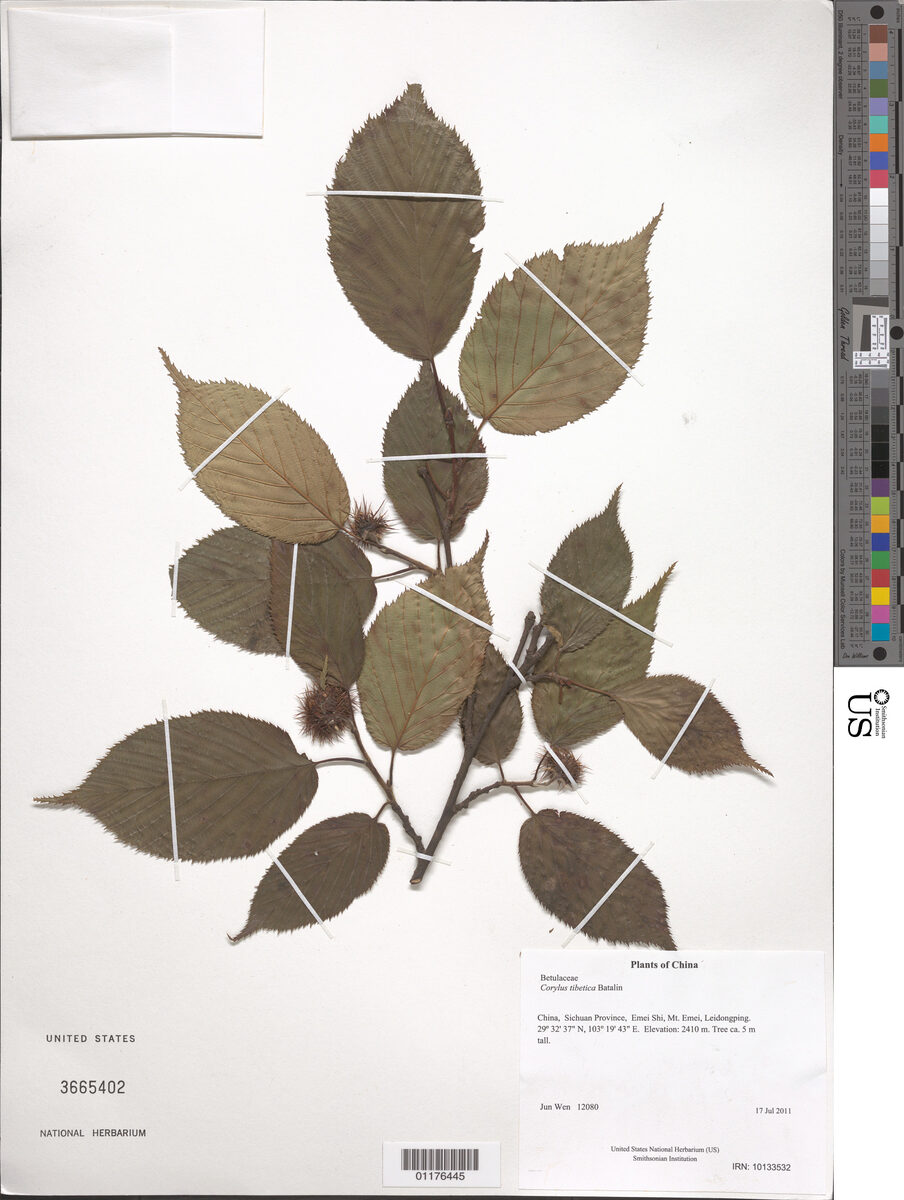
Corylus tibetica
Tibetan Hazelnut