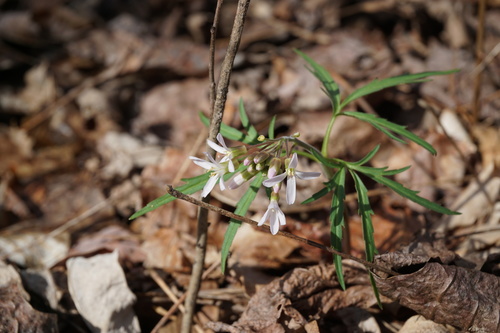
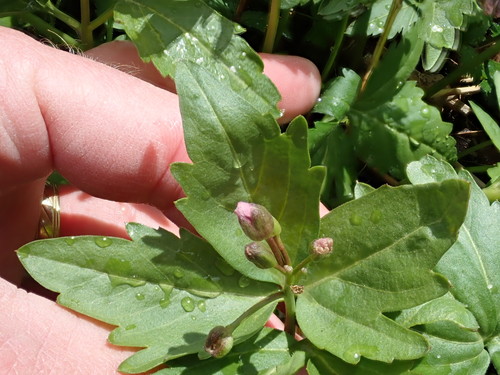
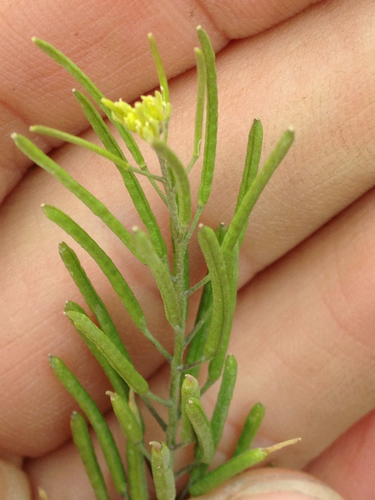
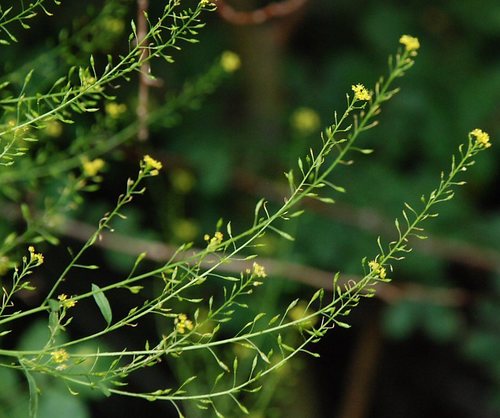
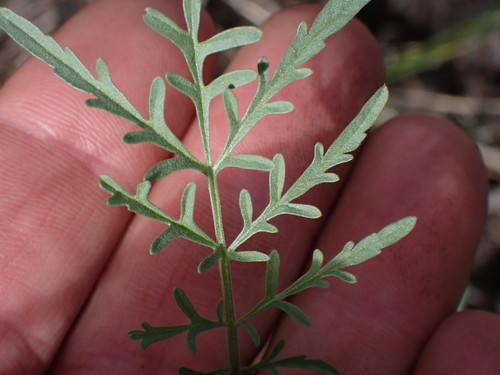
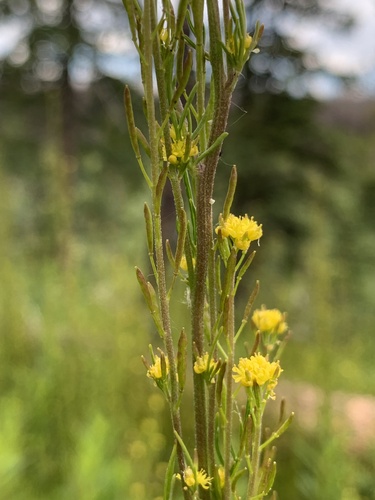
Raphanus maritima
Sm.
Sea Radish
gbif· cc-by-nc-nd
Ans Gorter
gbif· cc-by-nc-nd
Ans Gorter
gbif· cc-by-nc-sa
University of Colorado Museum of Natural History Herbarium Vascular Plant Collection (COLO-V)
Description
Raphanus maritima is a BIENNIAL growing to 0.8 m (2ft 7in). It is not frost tender. It is in flower from June to August. The species is hermaphrodite (has both male and female organs) and is pollinated by Bees, flies. Suitable for: light (sandy), medium (loamy) and heavy (clay) soils. Suitable pH: mildly acid, neutral and basic (mildly alkaline) soils. It can grow in semi-shade (light woodland) or no shade. It prefers moist soil. The plant can tolerate maritime exposure.
Edible Uses
Young leaves - raw or cooked as a potherb. A somewhat hot taste. Root - cooked as a potherb or used as a substitute for horseradish. Flowers - raw. A nice addition to salads. Young seedpods - raw. Crisp and juicy, they must be eaten when young because they quickly become tough and fibrous.
Distribution
Coasts of Europe, including Britain, from the Netherlands to N. Spain, Mediterranean, Black Sea.
Where It Grows
Coming Soon
Cultivation
Prefers a rich soil with ample moisture. Dislikes very heavy soils. The seeds are dispersed by sea-water, in which they can float for 7 - 10 days without loss of viability.
Propagation
Seed - sow spring in situ. Germination should take place within 2 weeks.