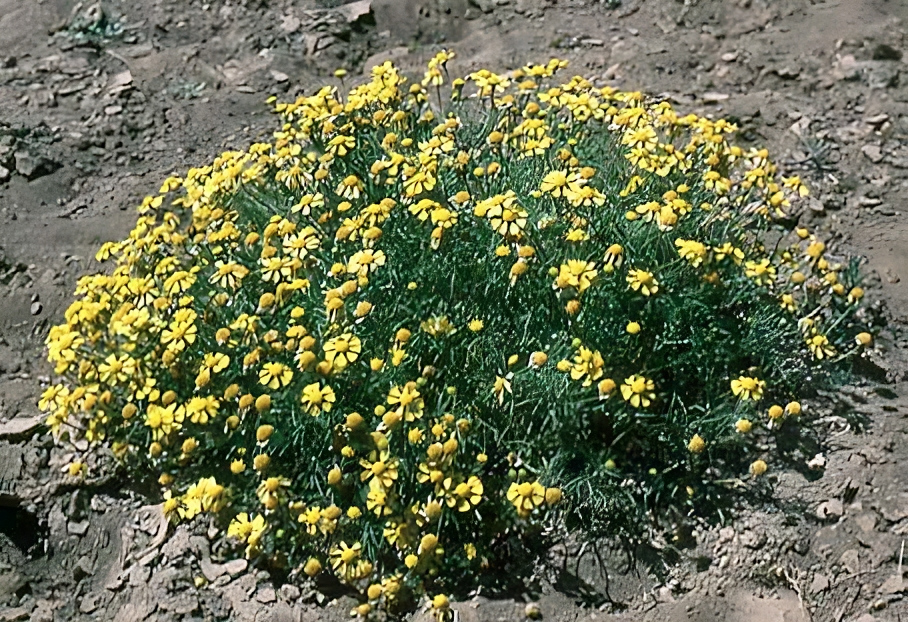
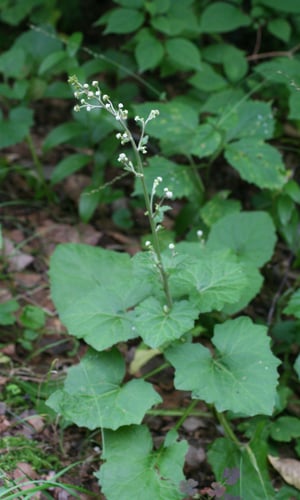
Onopordum macracanthum
L.
Cotton thistle
iNaturalist· cc-by-nc
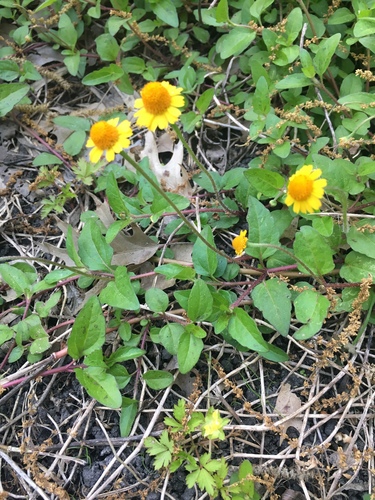
(c) Rebbas, some rights reserved (CC BY-NC), uploaded by Rebbas
iNaturalist· cc-by
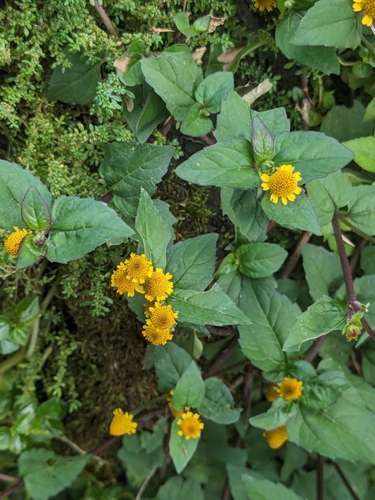
(c) Karim Haddad, some rights reserved (CC BY), uploaded by Karim Haddad
iNaturalist· cc-by
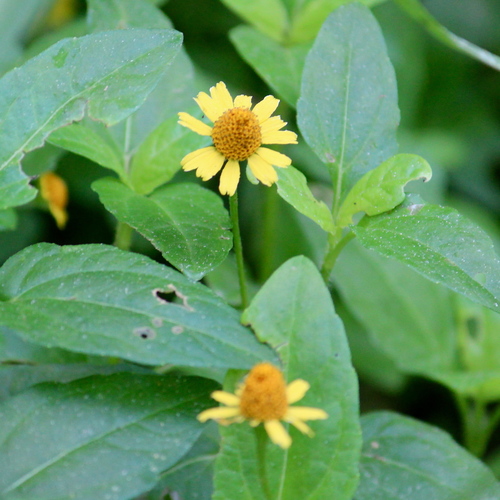
(c) Karim Haddad, some rights reserved (CC BY), uploaded by Karim Haddad
Description
Onopordum macracanthum is an evergreen Biennial growing to 1 m (3ft 3in) by 0.4 m (1ft 4in) at a fast rate. See above for USDA hardiness. It is hardy to UK zone 7. The flowers are pollinated by Insects. Suitable for: light (sandy), medium (loamy) and heavy (clay) soils and prefers well-drained soil. Suitable pH: mildly acid, neutral and basic (mildly alkaline) soils. It cannot grow in the shade. It prefers dry or moist soil.
Edible Uses
Leaves. We have found some reports that the edible basal leaves are peeled and used as stewed vegetables; however, other reports suggest it is toxic (only the root?) to humans and livestock (sheep, goats). The fragrant root contains a toxic diterpene heteroside, carboxy-atracyloside, which causes pronounced hypoglycemia, elevated uremia, creatinemia and transaminases, while the prothrombin rate falls. Death occurs rapidly as a result of respiratory arrest. During the Middle Ages, the root was used by the Berber-Islamic kingdoms of the Maghreb for political assassinations .
Distribution
Algeria, Baleares, Great Britain, Morocco, Portugal, Sardegna, Spain.
Where It Grows
Native to: Algeria, Baleares, Morocco, Portugal, Sardegna, Spain.
Cultivation
Biennial or short-lived weed. Prefers marly to silty-marly ( rich in carbonate minerals, clays, and silt) soils rich in nitrogen. Flowering period: March-July (Northern Hemisphere). No nitrogen-fixing symbionts.
Propagation
Seed.
Other Uses
Onopordum species are used as food plants by the larvae of some Lepidoptera species.
Synonyms
Also Known As
Catalan: bufassa, card d'ase, card del dimoni, cardiga, cardot macracant, Spanish: alcachofa silvestre, arrecate, cardo blanco, cardo borriquero, cardo de alcachofa, cardoncha, pincho barrillero, pincho burrero, toba