Bellis perennis
L.
Daisy, Lawn Daisy, English Daisy
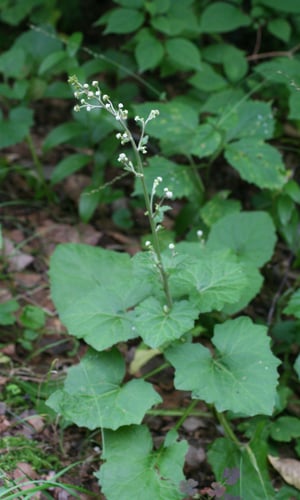
iNaturalist· cc-by-sa
(c) m.dolores paderne sa…, some rights reserved (CC BY-SA)
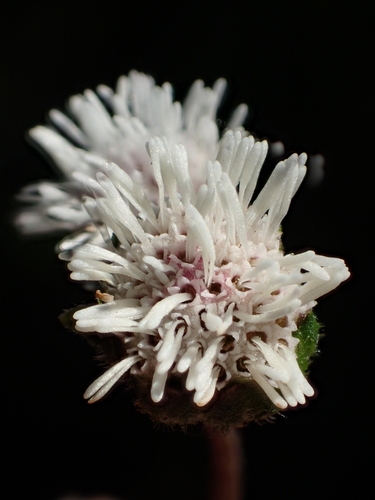
iNaturalist· cc-by-nc
(c) V. Lohr, some rights reserved (CC BY-NC), uploaded by V. Lohr
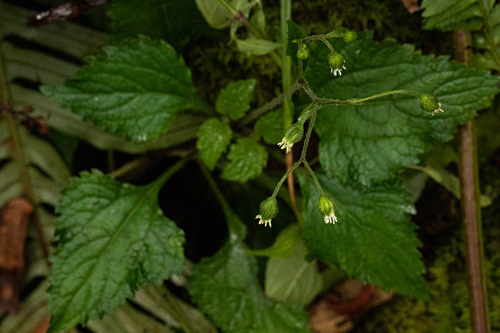
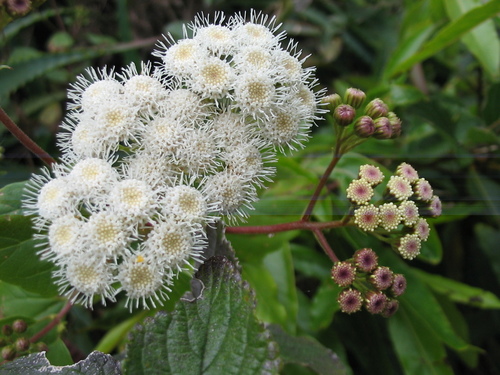
iNaturalist· cc-by-sa
(c) Douglas Goldman, some rights reserved (CC BY-SA), uploaded by Douglas Goldman
Summary
Source: WikipediaBellis perennis ( BEL-iss pə-REN-iss), the daisy, is a European species of the family Asteraceae, often considered the archetypal species of the name daisy. To distinguish this species from other plants known as daisies, it is sometimes qualified or known as common daisy, lawn daisy or English daisy.
Description
A perennial herb. It only lives for a short time. They can be grown as annuals. It grows 5-20 cm high and wide. The leaves are in rosettes or rings. They are rounded at the ends and taper into the stalk. The flower stem is short and the flower heads have yellow centres surrounded by white ray florets. These can be pink or red. The flowers are 2.5-5 cm across.
Edible Uses
Edible Parts: Flowers Leaves Edible Uses: Leaves - raw or cooked. The flavour is somewhat acrid. A pleasant sour flavour according to another report whilst a third says that they are mild and agreeable and are used in salads. The daisy is occasionally used as a potherb. Flower buds and petals - raw. Eaten in sandwiches, soups and salads.
Traditional Uses
Tender young leaves can be tossed in salads. They are also used as a potherb. They are also used in vegetable soups. The flowers are added to salads. They are also used for herbal tea. The flower buds are used in sandwiches, soups and salads. The flower buds are preserved in vinegar and used as a caper substitute.
Medicinal Uses
Anodyne Antidiarrhoeal Antispasmodic Antitussive Cancer Demulcent Digestive Eczema Emollient Expectorant Laxative Ophthalmic Purgative Tonic Daisies are a popular domestic remedy with a wide range of applications. They are a traditional wound herb and are also said to be especially useful in treating delicate and listless children. Recent research (1994) has been looking at the possibility of using the plant in HIV therapy. The herb is mildly anodyne, antispasmodic, antitussive, demulcent, digestive, emollient, expectorant, laxative, ophthalmic, purgative and tonic. The fresh or dried flowering heads are normally used. An infusion is used in the treatment of catarrh, rheumatism, arthritis, liver and kidney disorders, as a blood purifier etc. The daisy once had a great reputation as a cure for fresh wounds. An ointment made from the leaves is applied externally to wounds, bruises etc whilst a distilled water is used internally to treat inflammatory disorders of the liver. Chewing the fresh leaves is said to be a cure for mouth ulcers. Daisies also have a reputation for effectiveness in treating breast cancers. The flowers and leaves are normally used fresh in decoctions, ointments and poultices. A strong decoction of the roots has been recommended for the treatment of scorbutic complaints and eczema, though it needs to be taken for some time before its effect becomes obvious. A mild decoction may ease complaints of the respiratory tract, rheumatic pains and painful or heavy menstruation. The plant, harvested when in flower, is used as a homeopathic remedy. Its use is especially indicated in the treatment of bruising etc.
Distribution
It is a temperate plant. It is frost hardy. It grows in open spaces and grassland. It can grow in full sun or light shade. It will grow in average soils but they need to be well drained. Soils rich in organic matter are good. It needs a temperature of 10-13°C for germination. It suits hardiness zones 4-10. In the tropics it grows at higher altitudes. It can grow in arid places. Tasmania Herbarium. In Sichuan.
Where It Grows
Africa, Alaskia, Albania, Algeria, Argentina, Asia, Australia, Austria, Azerbaijan, Azores, Balkans, Belgium, Bosnia, Britain*, Bulgaria, Canada, Caucasus, Central Asia, Chile, China, Cyprus, Czech Republic, Denmark, Europe, Falklands, Finland, France, Georgia, Germany, Greece, Hawaii, Hungary, Iceland, Iraq, Ireland, Israel, Italy, Korea, Kurdistan, Luxembourg, Macedonia, Mediterranean, Middle East, Morocco, Myanmar, Netherlands, New Zealand, North Africa, North America, Norway, Pacific, Poland, Scandinavia, SE Asia, Sicily, Slovakia, Slovenia, South America, Spain, Sweden, Switzerland, Syria, Tajikistan, Tasmania, Turkey, Türkiye, USA, Yugoslavia,
Cultivation
Plants are grown from seed. Seedlings can be transplanted. Plants re-seed. Plants can also be grown by division.
Propagation
Seed - sow as soon as the seed is ripe in June. When they are large enough to handle, prick the seedlings out into individual pots and plant them out in late summer. Division after flowering. Very easy, it can be done at almost any time of the year, though spring and early summer are best. The divisions can be planted straight out into their permanent positions.
Other Uses
Repellent An insect repellent spray can be made from an infusion of the leaves. Daisies have traditionally been used for making daisy chains in children's games. Special Uses Food Forest
Other Information
It is foraged and supplied to restaurants in Sweden.
Notes
There are about 7-15 Bellis species.
Also Known As
Beyazpapatya, Erva di primu xiuri, Jancuzzu, Koyungozu, Madeliefje, Margarita, Margheritina, Mindris gvirila, Mya-ta-pwint, Navadna marjetica, Papatya, Parice, Parichka, Prstenjak, Sedmikraska obecna, Tusenfryd
References (50)
- Abbet, C., et al, 2014, Ethnobotanical survey on wild alpine food plants in Lower and Central Valais (Switzerland). Journal of Ethnopharmacology 151 (2014) 624–634
- Benvenuti, S. & Mazzoncini, M., 2021, The Biodiversity of Edible Flowers: Discovering New Tastes and New Health Benefits. Frontiers in Plant Science Article 569499.
- Biscotti, N. et al, 2018, The traditional food use of wild vegetables in Apulia (Italy) in the light of Italian ethnobotanical literature. Italian Botanist 5:1-24
- Blamey, M and Grey-Wilson, C., 2005, Wild flowers of the Mediterranean. A & C Black London. p 433
- Blanco-Salas, J., et al, 2019, Wild Plants Potentially Used in Human Food in the Protected Area “Sierra Grande de Hornachos” of Extremadura (Spain). Sustainability 2019, 11, 456
Show all 50 references Hide references
- Bodkin, F., 1991, Encyclopedia Botanica. Cornstalk publishing, p 140
- Bremness, L., 1994, Herbs. Collins Eyewitness Handbooks. Harper Collins. p 154
- Brown, D., 2002, The Royal Horticultural Society encyclopedia of Herbs and their uses. DK Books. p 142
- Burnie, G. (Ed.), 2003, Annuals and Bulbs. The Gardener's Handbooks. Fog City Press. p 125
- Cerne, M., 1992, Wild Plants from Slovenia used as Vegetables. Acta Horticulturae 318
- Cundall, P., (ed.), 2004, Gardening Australia: flora: the gardener's bible. ABC Books. p 228
- Dogan, Y., 2012, Traditionally used wild edible greens in the Aegean Region of Turkey. Acta Societatis Botanicorum Poloniae 81(4): 329-342
- Dogan, Y. et al, 2013, Wild Edible Plants sold in the Local Markets of Izmir, Turkey. Pak. J. Bot. 45(S1): 177-184
- Ertug, F, Yenen Bitkiler. Resimli Türkiye Florası -I- Flora of Turkey - Ethnobotany supplement
- Facciola, S., 1998, Cornucopia 2: a Source Book of Edible Plants. Kampong Publications, p 34
- Geraci, A., et al, 2018, The wild taxa utilized as vegetables in Sicily (Italy): a traditional component of the Mediterranean diet. Journal of Ethnobiology and Ethnomedicine (2018) 14:14
- Girard, N. J., 2020, Sustainable Foraging of Wild Edible Plants in Norway. A Biocultural Approach. M. Sc. thesis Norwegian University. p 128
- Hedrick, U.P., 1919, (Ed.), Sturtevant's edible plants of the world. p 96
- Hibbert, M., 2002, The Aussie Plant Finder 2002, Florilegium. p 42
- Irving, M., 2009, The Forager Handbook, A Guide to the Edible Plants of Britain. Ebury Press p 145
- Jackes, D. A., Edible Forest Gardens
- Joyce, D., 1998, The Garden Plant Selector. Ryland, Peters and Small. p 313
- Kizilarslan, C. & Ozhatay, N., 2012, An ethnobotanical study of the useful and edible plants of İzmit. Marmara Pharmaceutical Journal 16: 134-140, 2012.
- Koca, I., et al, 2015, Some Wild Edible Plants and Their Dietary Fiber Contents. Pakistan Journal of Nutrition. 14(4): 188-194
- Lamp, C & Collet F., 1989, Field Guide to Weeds in Australia. Inkata Press. p 34
- Luczaj, L. et al, 2012, Wild food plant use in 21st century Europe: the disappearance of old traditions and the search for new cuisines involving wild edibles. Acta Soc Bot Pol 81(4):359–370
- Lukasz, L., 2016, Wild Edible Plants Traditionally Used in Poland.
- Luczaj, L. et al, 2017, Comfrey and Buttercup Eaters: Wild Vegetables of the Imereti Region in Western Georgia, Caucasus. Economic Botany, 71(2), 2017, pp. 188–193
- Menendez-Baceta, G., et al, 2012, Wild edible plants traditionally gathered in Gorbeialdea (Biscay, Basque Country) Genetic Resources and Crop Evolution 59:1329-1347
- Morley, B. & Everard, B., 1970, Wild Flowers of the World. Ebury press. Plate 22
- Nedelcheva A., 2013, An ethnobotanical study of wild edible plants in Bulgaria. EurAsian Journal of BioSciences 7, 77-94
- Nimis, P. L., et al, 2015, A guide to the vascular plants of the temporary ponds of Sardinia (Italy) p 118
- Paoletti, M.G., Dreon, A.L., and Lorenzoni, G.G., 1995, Pistic, Traditional Food from Western Friuli, NE Italy. Economic Botany 49(1) pp 26-30
- Pasta, S., et al, 2020, An Updated Checklist of the Sicilian Native Edible Plants: Preserving the Traditional Ecological Knowledge of Century-Old Agro-Pastoral Landscapes. Frontiers in Plant Science. Volume 11|Article 388
- Pieroni, A., 1999, Gathered wild food plants in the Upper Valley of the Serchio River (Garfagnana), Central Italy. Economic Botany 53(3) pp 327-341
- Plants for a Future database, The Field, Penpol, Lostwithiel, Cornwall, PL22 0NG, UK. http://www.scs.leeds.ac.uk/pfaf/
- Polat, R., et al, 2015, Survey of wild food plants for human consumption in Elazig (Turkey). Indian Journal of Traditional Knowledge. Vol. 1(1): 69-75
- Polat, R., et al, 2017, Survey of wild food plants for human consumption in Bingol, (Turkey). Indian Journal of Traditional Knowledge. Vol. 16(3) July 2017, pp. 378-384
- Redzic, S. J., 2006, Wild Edible Plants and their Traditional Use in the Human Nutrition in Bosnia-Herzegovina. Ecology of Food and Nutrition, 45:189-232
- Redzic, S., 2010, Use of Wild and Semi-Wild Edible Plants in Nutrition and Survival of People in 1430 Days of Siege of Sarajevo during the War in Bosnia and Herzegovina (1992–1995). Coll. Antropol 34 (2010) 2:551-570
- Rexhepi, B., et al, 2018, Ethnobotanical Study of Wild Edible Plants in Pelagonia Region (Southwestern Macedonia) International Journal of Advances in Science Engineering and Technology, Vol. 6 (1) p 57
- Royal Botanic Gardens, Kew (1999). Survey of Economic Plants for Arid and Semi-Arid Lands (SEPASAL) database. Published on the Internet; http://www.rbgkew.org.uk/ceb/sepasal/internet [Accessed 11th April 2011]
- Sansanelli, S., et al, 2014, Wild food plants traditionall consumed in the area of Bologna (Emilia Romagna region, Italy). Journal of Ethnobiology and Ethnomedicine 10:69
- Schunko, C., et al, 2010, Organic farmers use of wild food plants and fungi in a hilly area in Styria (Austria). Journal of Ethnobiology and Ethnomedicine 6:17
- Simkova, K. et al, 2014, Ethnobotanical review of wild edible plants used in the Czech Republic. Journal of Applied Botany and Food Quality 88, 49-67
- Sp. pl. 2:886. 1753
- Staples, G.W. and Herbst, D.R., 2005, A tropical Garden Flora. Bishop Museum Press, Honolulu, Hawaii. p 167
- Tasmanian Herbarium Vascular Plants list p 5
- Upson, R., & Lewis R., 2014, Updated Vascular Plant Checklist and Atlas for the Falkland Islands. Falklands Conservation and Kew.
- Vorstenbosch, T., et al, 2017, Famine food of vegetal origin consumed in the Netherlands during World War II. Journal of Ethnobiology and Ethnomedicine (2017) 13:63