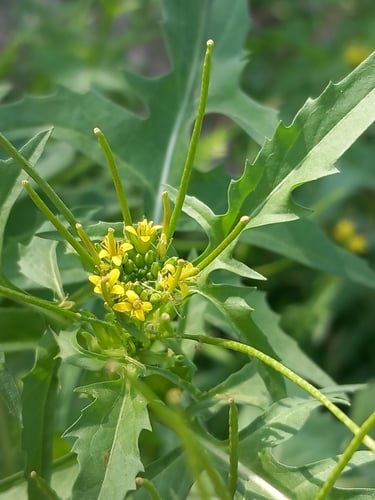
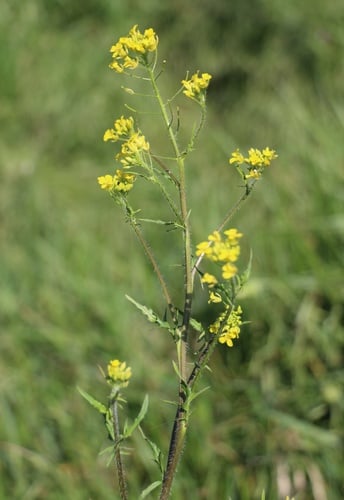
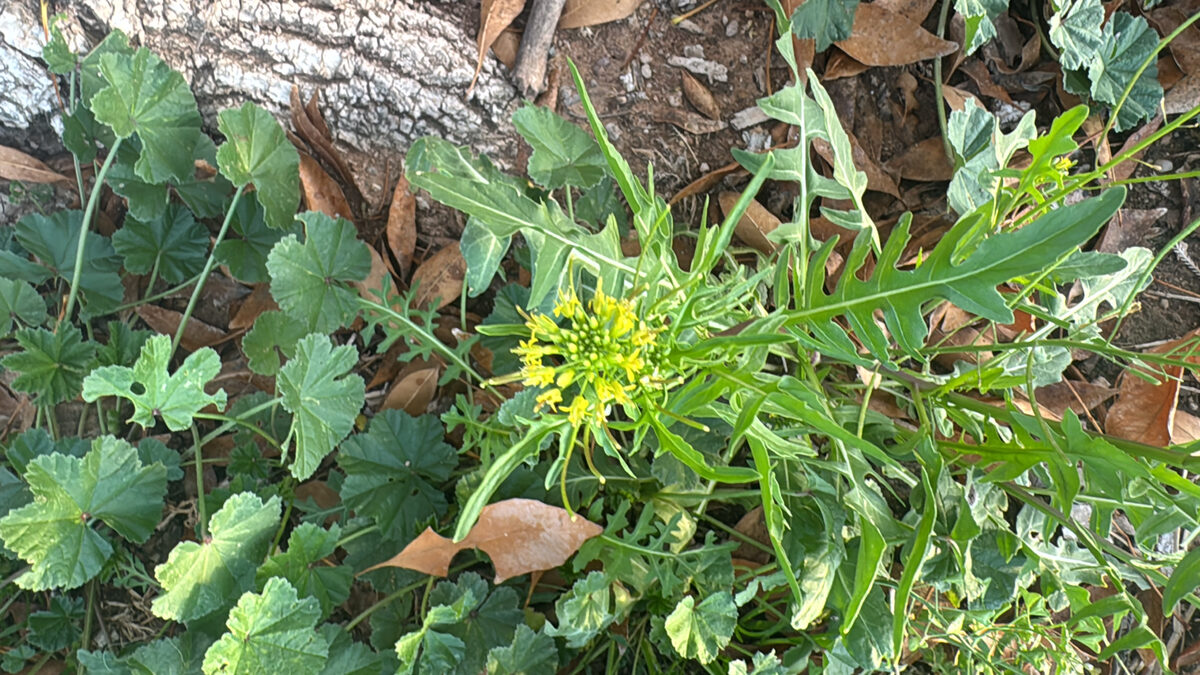
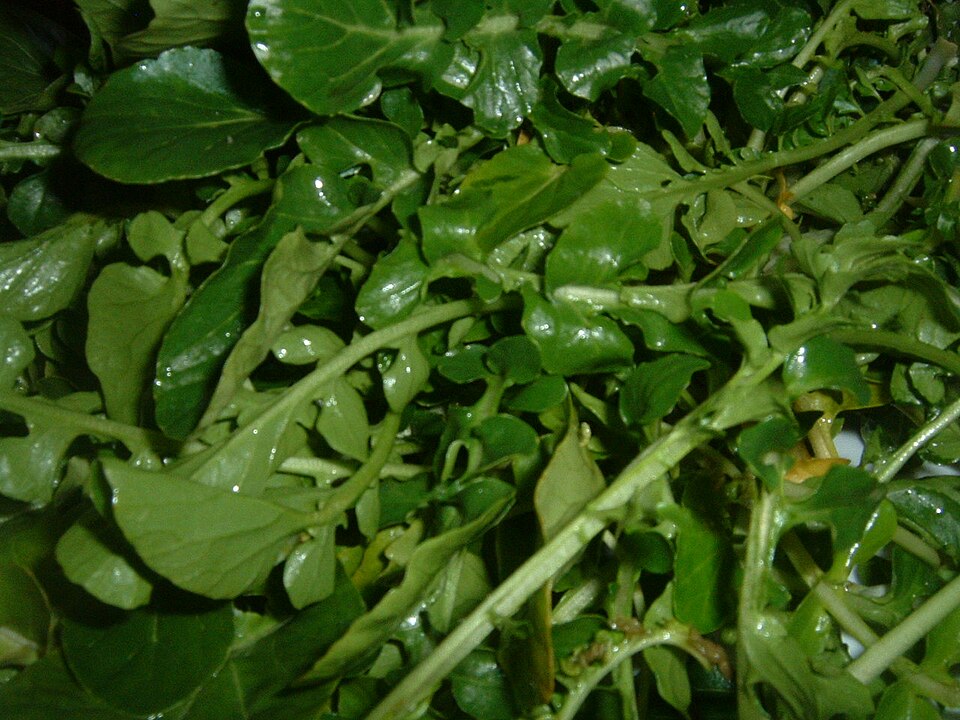
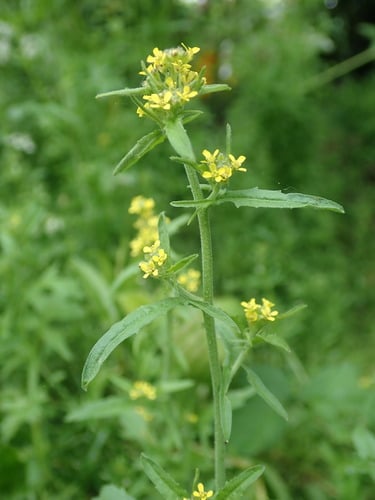
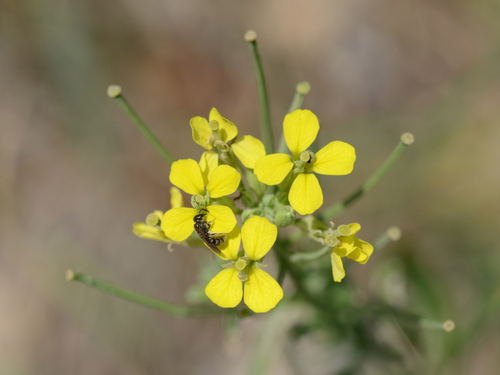
Matthiola incana - (L.)R.Br.
(L.)R.Br.
Stock, Tenweeks stock, Gillyflower, Brompton Stock
gbif· cc-by
Cricket Raspet
gbif· cc-by-nc
Valérie CARO
gbif· cc-by-nc
Andrea Carpio
Description
Matthiola incana is a ANNUAL/PERENNIAL growing to 0.6 m (2ft) by 0.3 m (1ft in) at a fast rate. See above for USDA hardiness. It is hardy to UK zone 6 and is not frost tender. It is in flower from May to July, and the seeds ripen in August. The species is hermaphrodite (has both male and female organs) and is pollinated by Bees, Lepidoptera (Moths & Butterflies). The plant is self-fertile. It is noted for attracting wildlife. Suitable for: light (sandy), medium (loamy) and heavy (clay) soils and prefers well-drained soil. Suitable pH: neutral and basic (mildly alkaline) soils. It cannot grow in the shade. It prefers moist soil. The plant can tolerate maritime exposure.
Edible Uses
Flowers - eaten as a vegetable or used as a garnish, especially with sweet desserts. Highly fragrant. Seedpods. Used as a famine food when all else fails.
Medicinal Uses
Antidote Aphrodisiac Bitter Diuretic Expectorant Stimulant Stomachic Tonic. The seeds are aphrodisiac, bitter, diuretic, expectorant, stimulant, stomachic and tonic. An infusion has been used in the treatment of cancer and when mixed with wine it has been used as an antidote to poisonous bites.
Distribution
S. Europe. Possibly native to S. England.
Where It Grows
TEMPERATE ASIA: Cyprus EUROPE: Bosnia and Herzegovina, Greece, Croatia, Italy (incl. Sardinia, Sicily), Montenegro, Slovenia, France (s. & Corsica)
Cultivation
Succeeds in ordinary garden soil. Prefers a fertile neutral or slightly alkaline soil in full sun. Plants grow best in a sandy soil in a warm, sheltered position. A very ornamental plant, it is also a good butterfly plant. Plants are usually biennial or short-lived perennials and are normally grown as annuals in the garden. The wild plant is a perennial with an almost shrubby nature. Garden forms have been bred to have annual or biennial characteristics. The flowers have a strong sweet scent.
Propagation
Seed - sow early spring in a greenhouse. Germination usually takes place within 2 weeks. When they are large enough to handle, prick the seedlings out into individual pots and plant them out in the summer. The seed can also be sown outdoors in situ in mid to late spring.
Other Uses
DyeA dark blue or purple dye is obtained from the flowers.