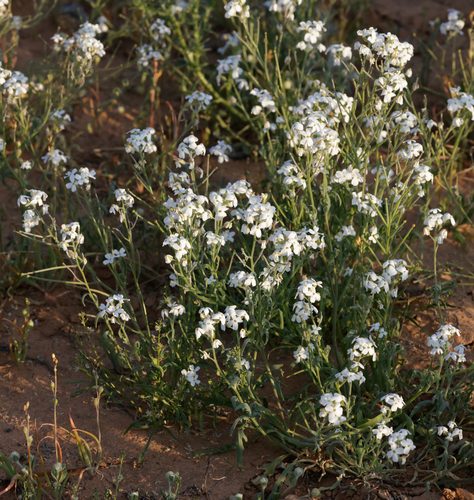
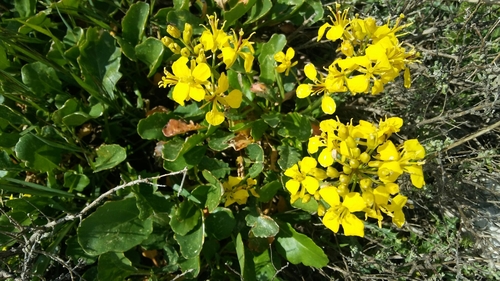
Brassica oleracea sabellica
L.
Curly Kale
iNaturalist· cc-by-sa
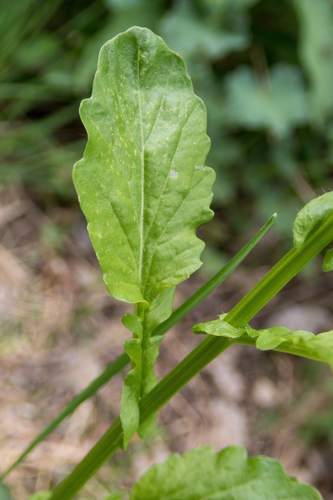
(c) Rasbak, some rights reserved (CC BY-SA)
iNaturalist· cc-by-nc-sa
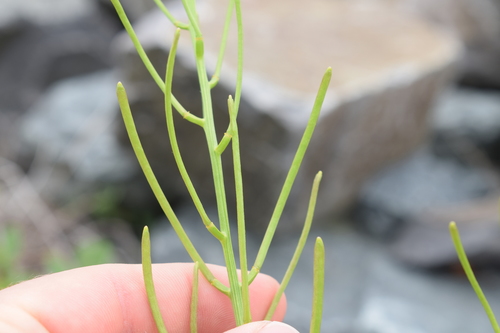
(c) Gabriel Camilo Jaramillo Giraldo, some rights reserved (CC BY-NC-SA), uploaded by Gabriel Camilo Jaramillo Giraldo
iNaturalist· cc-by-sa
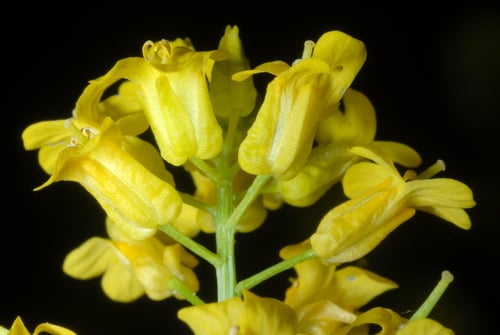
(c) Agnieszka Kwiecień, Nova, some rights reserved (CC BY-SA)
Description
Brassica oleracea sabellica is a BIENNIAL/PERENNIAL growing to 0.9 m (3ft). It is not frost tender. It is in flower from May to August, and the seeds ripen from July to September. The species is hermaphrodite (has both male and female organs) and is pollinated by Bees. The plant is self-fertile. Suitable for: light (sandy), medium (loamy) and heavy (clay) soils, prefers well-drained soil and can grow in heavy clay soil. Suitable pH: mildly acid, neutral and basic (mildly alkaline) soils and can grow in very acid and very alkaline soils. It can grow in semi-shade (light woodland) or no shade. It prefers moist soil. The plant can tolerate maritime exposure.
Edible Uses
Leaves - raw or cooked. A strong cabbage flavour, they are delicious if used when fairly young though they can become tough with age. The leaves are usually available from autumn to late spring, and can be harvested all through the winter in all but the very coldest of seasons. Young flowering shoots - raw or cooked. Picked before the flowers open, they are fairly tender and can be used as part of a mixed salad. When cooked, they have a delicious flavour similar to sprouting broccoli.
Distribution
A cultivated form of B. oleracea.
Where It Grows
(Brassica oleracea) EUROPE: United Kingdom (U.K.) (coasts), Germany, Schleswig-Holstein, Spain (n. coast), France (w. & n. coasts).
Cultivation
A very easily grown plant, succeeding in full sun in a well-drained fertile preferably alkaline soil. Prefers a heavy soil. Succeeds in any reasonable soil. Shade tolerant, growing well on a north border. Succeeds in maritime gardens. Tolerates a pH in the range 4.2 to 8.3. A very hardy plant, tolerating temperatures down to about -15°c. It also tolerates high summer temperatures. Often cultivated for its edible leaves, the curly kales are especially useful for providing leaves throughout the winter and spring, they are fairly cold tolerant. There are several named forms. Some forms have been especially selected for their ornamental foliage, these tend to be of poor culinary quality.
Propagation
Seed - sow in a seedbed outdoors in April/May. Plant out into their permanent positions in the summer as space permits. Do not let the seedlings get overcrowded or they will soon become leggy and will not make such good plants. If your seedlings do get leggy, it is possible to plant them rather deeper into the soil - the buried stems will soon form roots and the plant will be better supported.