Lamium purpureum
L.
Red Dead Nettle, Purple deadnettle
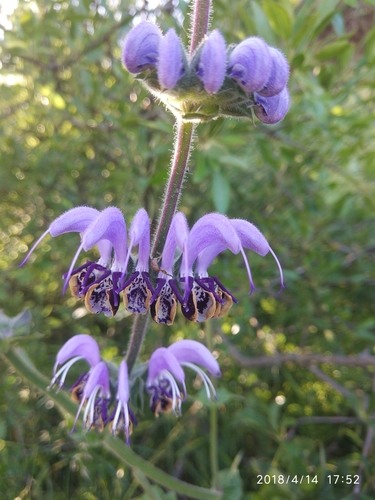
iNaturalist· cc-by-nc
(c) Katrina Winthrop, some rights reserved (CC BY-NC), uploaded by Katrina Winthrop
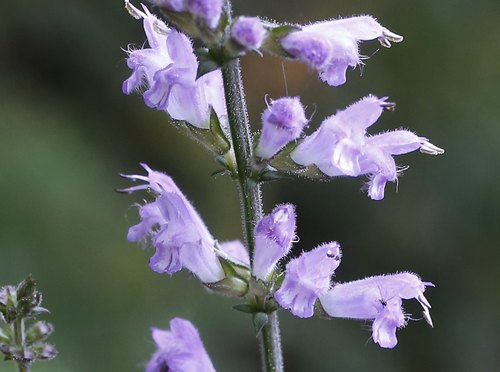
iNaturalist· cc-by-nc
(c) Nora J., some rights reserved (CC BY-NC), uploaded by Nora J.
iNaturalist· cc-by-nc-nd
(c) Bastiaan, some rights reserved (CC BY-NC-ND)
Description
Lamium purpureum is a ANNUAL growing to 0.3 m (1ft) by 0.2 m (0ft 8in). See above for USDA hardiness. It is hardy to UK zone 4 and is not frost tender. It is in flower from March to October. The species is hermaphrodite (has both male and female organs) and is pollinated by Bees. The plant is self-fertile. It is noted for attracting wildlife. Suitable for: light (sandy), medium (loamy) and heavy (clay) soils, prefers well-drained soil and can grow in heavy clay soil. Suitable pH: mildly acid, neutral and basic (mildly alkaline) soils. It can grow in semi-shade (light woodland) or no shade. It prefers moist soil.
Edible Uses
Young leaves - raw or cooked as a potherb[2, 4, 5, 8, 54, 62, 183]. The plant is a short-lived annual, but seeds can germinate at almost any time of the year and so the leaves are often available all year round.
Medicinal Uses
Astringent Diaphoretic Diuretic Purgative Styptic. The whole plant is astringent, diaphoretic, diuretic, purgative and styptic. A decoction of the plant is particularly useful for checking any kind of haemorrhage, whilst the fresh bruised leaves can be applied to external cuts and wounds.
Distribution
Europe, including Britain, from Norway south and east to the Mediterranean and Israel.
Where It Grows
TEMPERATE ASIA: Lebanon, Syria, Turkey EUROPE: Denmark, Finland (south), United Kingdom, Sweden, Czechoslovakia, Austria, Belgium, Germany, Hungary, Netherlands, Poland, Russian Federation-European part (European part (west)), Estonia, Lithuania, Latvia, Ukraine (incl. Krym), Former Yugoslavia, Bulgaria, Greece (Kríti), Italy (incl. Sardinia), Romania, Spain, France (incl. Corsica), Portugal AFRICA: Spain (Canarias), Portugal (Madeira Islands), Algeria (north), Morocco (north)
Cultivation
An easily satisfied plant, it tolerates most soils and conditions. Grows well in heavy clay soils. Dislikes shade. A common garden weed, usually flowering at almost any time of the year and the seed is capable of germinating even in the winter if the weather is mild. In rich soils the plant can grow quite lushly, in poor soils it will only grow a few centimetres tall before flowering and spreading its seed. The plant is easily controlled, however, and never really becomes a pest. Plants seem to be immune to the predations of rabbits. A good bee plant. Grows well with potatoes.
Propagation
Seed - plants usually self sow freely and should not require human intervention. When required, the seed can be sown in situ as soon as it is ripe.