Salvia indica
Linn.
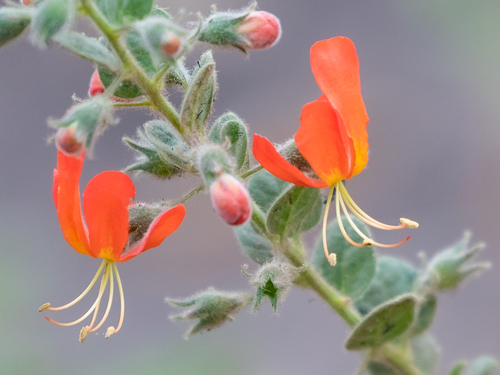
iNaturalist· cc-by-nc
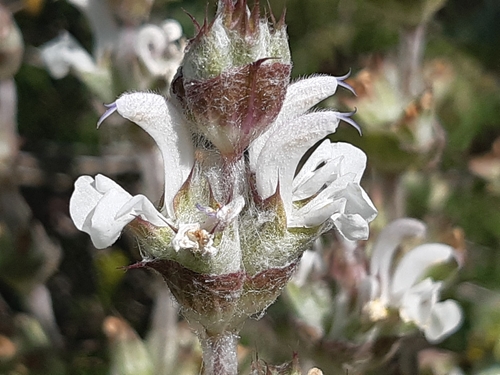
(c) cypke, some rights reserved (CC BY-NC)
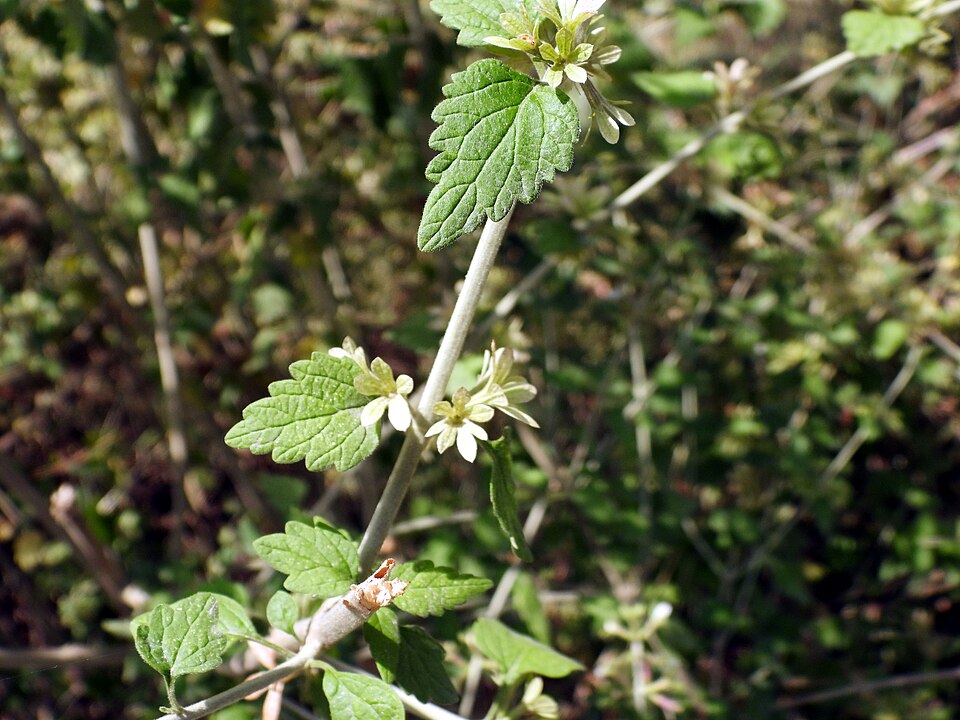
iNaturalist· cc-by-nc
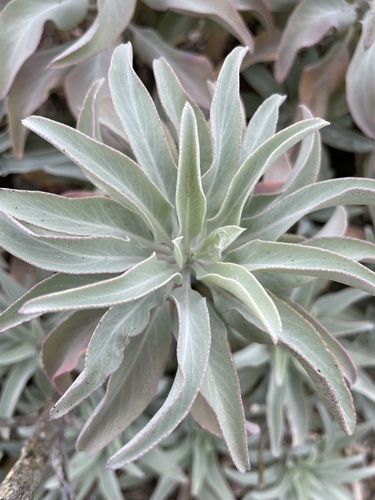
(c) Yizhar Amir, some rights reserved (CC BY-NC)
Summary
Source: WikipediaSalvia indica (pied sage or two-lip spotted sage) is a species of herbaceous perennial plant belonging to the family Lamiaceae. It is native to a wide region of Western Asia that includes Israel, Iraq, Iran and Turkey. It was first described by the taxonomist Carl Linnaeus in 1753. It is unknown why he gave it the specific epithet indica, since the plant is not from India. While Salvia indica is classified as a herbaceous perennial, in cultivation individual plants often live no longer than two years.
Description
A herb which keeps growing from year to year. It grows 60-90 cm high and spreads 60 cm wide. The leaves are grey and scalloped. The flowers are on tall spikes. They are purple. There are white markings on the bottom lip.
Edible Uses
The leaves are added to local beers to give a fresh taste and are also used for herbal teas. Both leaves and flowers can be consumed.
Traditional Uses
The leaves are added to local beers to give a fresh taste. They are also used for herbal teas.
This uses section is brief — help expand it
Distribution
It is a subtropical plant. It suits hardiness zones 9-11.
Where It Grows
Asia, Australia, India, Iraq, Middle East,
Also Known As
Rayhanakiwilka
References (6)
- Cundall, P., (ed.), 2004, Gardening Australia: flora: the gardener's bible. ABC Books. p 1303
- Facciola, S., 1998, Cornucopia 2: a Source Book of Edible Plants. Kampong Publications, p 135
- Galalaey, A. M. K., et al, 2021, Ethnobotanical study of some wild edible plants in Hujran Bason, Kurdistan Region of Iraq. ZANCO Journal of Pure and Applied Sciences. Salahaddin University-Erbil p 27
- Hedrick, U.P., 1919, (Ed.), Sturtevant's edible plants of the world. p 591
- Hibbert, M., 2002, The Aussie Plant Finder 2002, Florilegium. p 284
Show all 6 references Hide references
- Sp. pl. 1:26. 1753