Salvia japonica
Thunb.
Japanese sage, Shu wei cao
iNaturalist· cc-by-nc
(c) 空猫 T. N, some rights reserved (CC BY-NC), uploaded by 空猫 T. N
iNaturalist· cc-by
(c) Cheng-Tao Lin, some rights reserved (CC BY)
Summary
Source: WikipediaSalvia japonica, known as East Asian sage, is an annual plant that is native to several provinces in China and Taiwan, growing at 200 to 1,200 m (660 to 3,940 ft) elevation. S. japonica grows on erect stems to 40 to 60 cm (16 to 24 in) tall. Inflorescences are 2-6 flowered verticillasters in terminal racemes or panicles, with a corolla that varies in color from reddish, purplish, bluish, to white, and is approximately 1.2 cm (0.47 in). There are two named varieties, with slight variations in leaf and flower shape: S. japonica var. japonica and S. japonica var. multifoliolata.
Description
An annual plant. It grows 40-60 cm high. The leaves have 1-3 leaflets along the stalk. The leaf blade is sword shaped and 10 cm long by 3.5 cm wide. There are teeth along the edge. The flowers can be red, purple, blue or white. The nutlets are brown.
Edible Uses
Children suck the flowers, likely for their sweet nectar. The leaves are also used as a flavouring and serve as a substitute for sage.
Traditional Uses
The leaves are eaten with oil and salt.
This uses section is brief — help expand it
Medicinal Uses
None known
Distribution
It is a temperate plant. In China it grows in wet areas between 200-1200 m altitude. In Sichuan.
Where It Grows
Asia, Australia, China, Japan, Korea, Slovenia, Taiwan,
Cultivation
Requires a very well-drained light sandy soil in a sunny position. Prefers a rich soil. This species is not hardy in the colder areas of the country, it tolerates temperatures down to between -5 and -10°c. Plants can be killed by excessive winter wet. Members of this genus are rarely if ever troubled by browsing deer.
Propagation
Sow seed in March or April in a greenhouse; germination usually takes place within 2 weeks. Prick out seedlings into individual pots when large enough to handle and plant out in early summer. In areas at the limits of the plant's hardiness, grow on under glass through the first winter and plant out in late spring the following year. Cuttings of half-ripe wood can be taken at almost any time during the growing season.
Other Uses
A black dye is obtained from the plant, probably from the flowers.
Notes
There are about 900 Salvia species.
References (4)
- Hibbert, M., 2002, The Aussie Plant Finder 2002, Florilegium. p 284
- http://www.botanic-gardens-ljubljana.com/en/plants
- Li Hai-wen, Hedge, I.C., Lamiaceae. Flora of China. p 287
- READ,
More from Lamiaceae
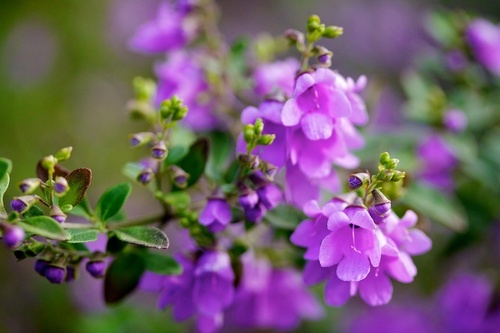
Prostanthera ovalifolia
Purple Mint-bush, Oval leafed mint bush
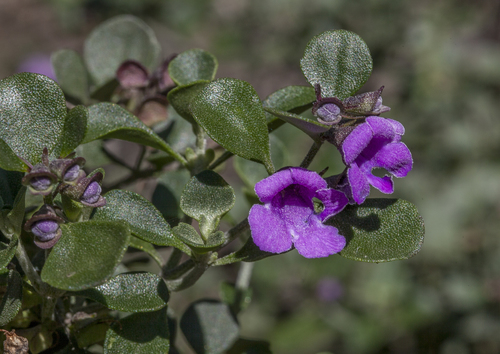
Prostanthera rotundifolia
Native mint, Round leafed mintbush, Australian mint bush
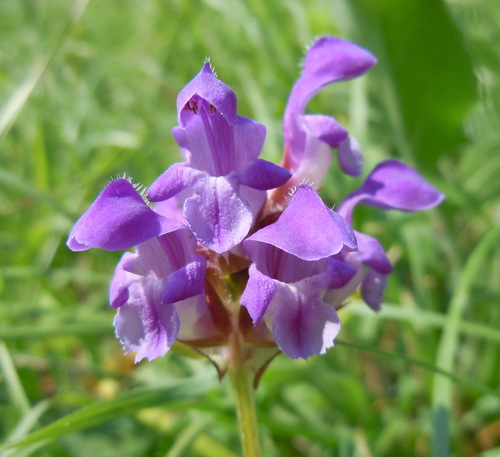
Prunella grandiflora
Bigflower Selfheal, Large Self-heal, Prunella Loveliness
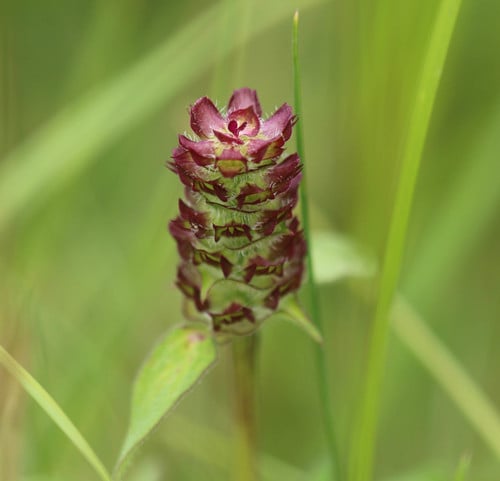
Prunella vulgaris
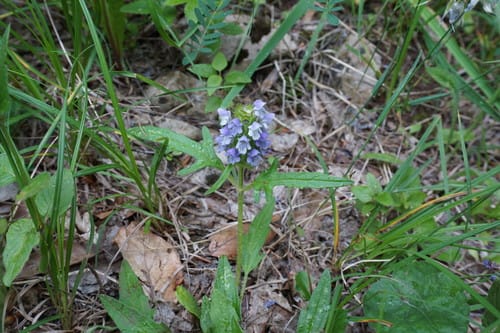
Self Heal, Healall, All-heal
Prunella vulgaris subsp. asiatica
Carpenter Weed
Pycnanthemum flexuosum
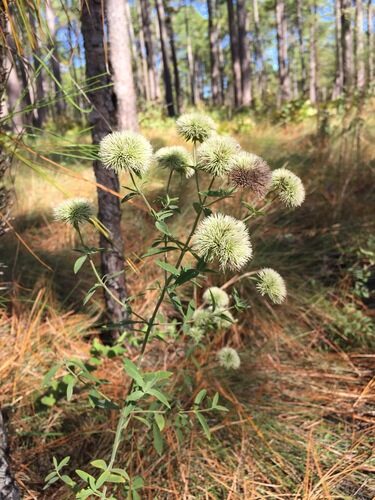
Mountain Mint, Appalachian mountainmint