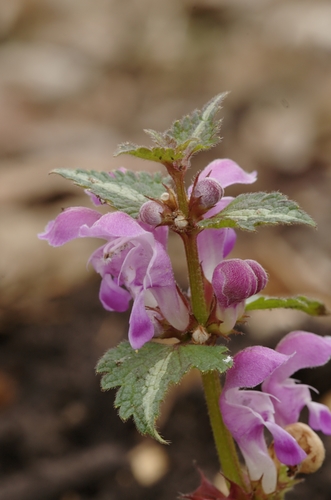
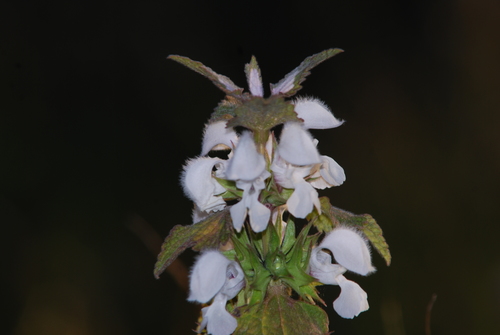
Salvia glutinosa
L.
Hardy sage, Yellow sage, Jupiter's distaff
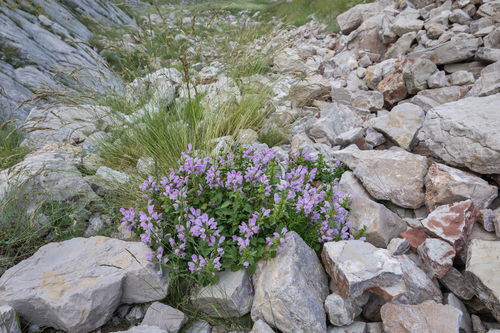
iNaturalist· cc-by-nc-nd
(c) Gianfranco, some rights reserved (CC BY-NC-ND), uploaded by Gianfranco
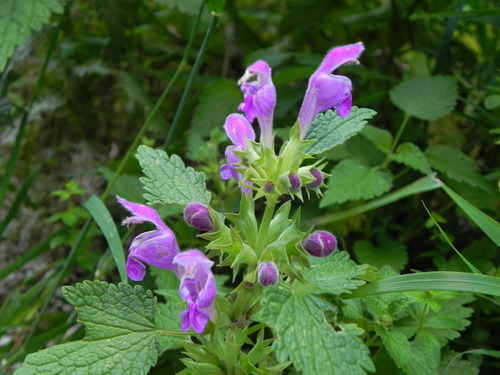
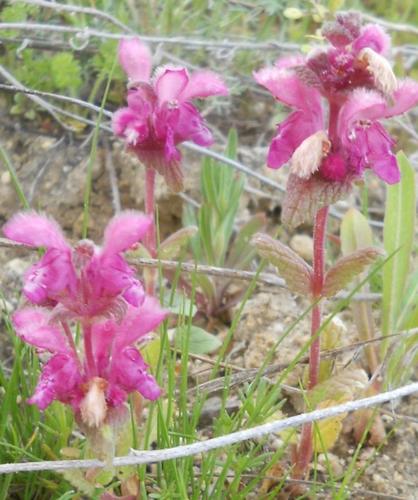
iNaturalist· cc-by-nc
(c) dgcurrywheel, some rights reserved (CC BY-NC)
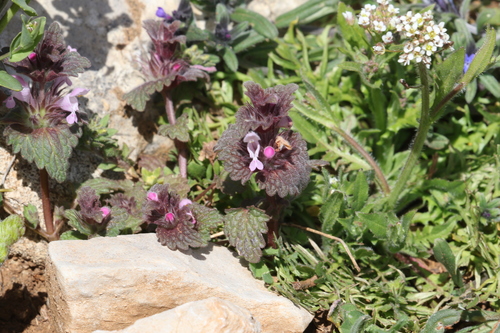
iNaturalist· cc-by-nc
(c) dgcurrywheel, some rights reserved (CC BY-NC)
Summary
Source: WikipediaSalvia glutinosa, the glutinous sage, sticky sage, Jupiter's sage, or Jupiter's distaff, is a herbaceous perennial plant belonging to the family Lamiaceae.
Description
A hardy perennial sage reaching 1.2 m tall and 1 m wide. Hardy to UK zone 5. Flowers July to August. Bee-pollinated hermaphroditic flowers. Grows in light sandy to medium loamy well-drained soils across mildly acid to basic pH ranges. Tolerates semi-shade to full sun and adapts to both dry and moist soils. Useful as ground cover spaced 75 cm apart for colonizing large areas.
Edible Uses
The aromatic leaves are used as a flavouring in country wines.
Traditional Uses
The leaves are used to give flavour to country wines.
This uses section is brief — help expand it
Medicinal Uses
None known
Distribution
It is a temperate plant.
Where It Grows
Europe, Mediterranean, Netherlands, Slovenia,
Cultivation
Requires a very well-drained light sandy soil in a sunny position. Succeeds in any good soil in full sun or partial shade. Plants can be grown in quite coarse grass, which can be cut annually in the autumn. Plants are hardy to about -20°c. During the summer the whole plant becomes covered in a tacky substance like a fragrant gum. This species has a running root system and can spread freely. Plants can be killed by excessive winter wet. Members of this genus are rarely if ever troubled by browsing deer.
Propagation
Sow seed in March or April in a greenhouse. Prick out seedlings into individual pots when large enough to handle and plant out in summer. Cuttings of half-ripe wood can be taken at almost any time during the growing season.
Other Uses
An aromatic gum is obtained from the plant, though no details are recorded regarding its uses. Plants can be grown as ground cover when spaced about 75cm apart each way, making them useful for colonising large areas.
Also Known As
Lepljiva kadulja
References (3)
- Facciola, S., 1998, Cornucopia 2: a Source Book of Edible Plants. Kampong Publications, p 134
- http://www.botanic-gardens-ljubljana.com/en/plants
- Sp. pl. 1:26. 1753