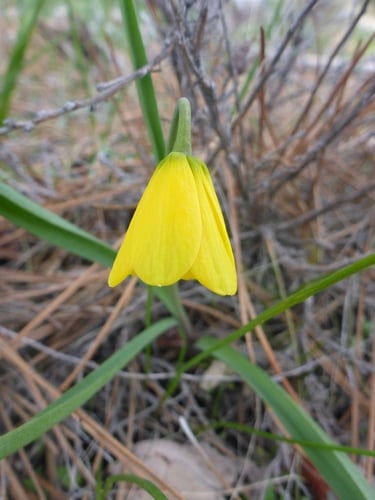
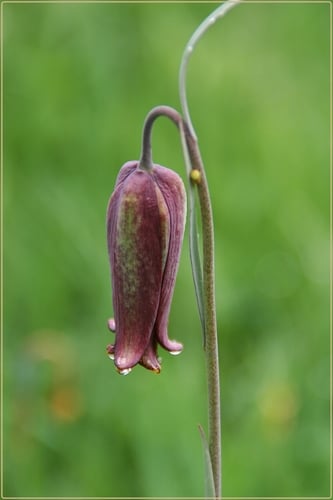
Erythronium oregonum
Applegate
Giant white fawnlily
iNaturalist· cc-by-nc
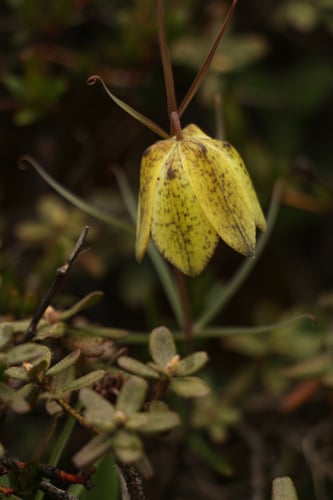
(c) Sherry Kirkvold, some rights reserved (CC BY-NC), uploaded by Sherry Kirkvold
iNaturalist· cc-by-nc
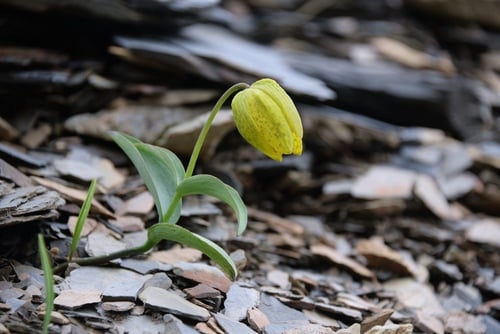
(c) Nicola Rammell, some rights reserved (CC BY-NC), uploaded by Nicola Rammell
iNaturalist· cc-by-nc
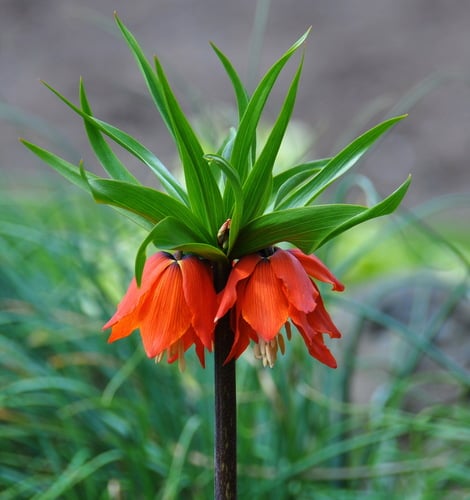
(c) Emily Scherer, some rights reserved (CC BY-NC), uploaded by Emily Scherer
Summary
Source: WikipediaErythronium oregonum is a North American species of flowering plant in the lily family which is known by the common name giant white fawnlily or Oregon fawn-lily. It is native to western North America, where it grows in the Pacific Coast Ranges from southwestern British Columbia to northern California.
Description
A lily plant. It grows 38 cm high. The leaves at the base are mottled light green and brown. The flowers are in a loose spike. There can be 10 flowers in a group. They hang down. The petals are cream-white and turn backwards. The flowers have yellow centres with an orange-brown ring around them.
Edible Uses
The bulb can be eaten raw, cooked, or dried for later use, and measures between 25–60mm long. Some caution is advised regarding toxicity.
Traditional Uses
The bulbs are dried and used for food. They can be eaten raw, baked or boiled.
This uses section is brief — help expand it
Medicinal Uses
The crushed corm is applied as a poultice for boils.
Known Hazards
The bulbs have been suspected of poisoning poultry. The following notes have also been seen for another member of this genus - skin contact with the bulbs has been known to cause dermatitis in sensitive people.
Distribution
It is a temperate plant. In Canada it grows in open conifer forests and on rocky outcrops. It suits hardiness zones 4-9.
Where It Grows
Australia, Canada, North America, USA,
Cultivation
Prefers slightly acid soil conditions but succeeds in chalky soils if these contain plenty of humus. Requires semi-shade, preferably provided by trees or shrubs, and a well-drained soil. Succeeds in almost any light soil, preferring one that is rich in humus. Plants are hardy to about -15°c. Flowers are produced in 3 - 4 years from seed. Plants increase rapidly by offsets. Bulbs should be planted about 7cm deep. This species is closely related to E. revolutum and occasionally hybridizes with it where their ranges meet. In addition, E. citrinum and E. hendersonii are reported to hybridize with E. oregonum in the southern part of its range. This species is closely related to E. californicum.
Propagation
Seed is best sown as soon as it is ripe in a shady position in a cold frame. Water lightly in summer; germination should occur in autumn or winter. Stored seed requires a period of cold stratification and should be sown as early in spring as possible in a cold frame. Sow thinly to avoid the need to prick out seedlings in their first year, and give occasional liquid feeds to prevent nutrient deficiency. When plants go dormant, pot up the small bulbs 2–3 per pot and grow them on in a shady greenhouse for another 2–3 years before planting out into permanent positions while dormant in late summer. Bulbs can also be divided in summer as the leaves die down. Larger bulbs can go straight into permanent positions, while smaller ones are better potted and grown on in a shady greenhouse for a year before planting out when dormant in late summer.
Other Uses
None known
Notes
There are about 22 Erythronium species.
References (9)
- Cundall, P., (ed.), 2004, Gardening Australia: flora: the gardener's bible. ABC Books. p 564
- Hibbert, M., 2002, The Aussie Plant Finder 2002, Florilegium. p 95
- Kermath, B. M., et al, 2014, Food Plants in the Americas: A survey of the domesticated, cultivated and wild plants used for Human food in North, Central and South America and the Caribbean. On line draft. p 346
- Lim, T. K., 2015, Edible Medicinal and Non Medicinal Plants. Volume 9, Modified Stems, Roots, Bulbs. Springer p 41
- Madrodeo 3:39. 1935
Show all 9 references Hide references
- MacKinnon, A., et al, 2009, Edible & Medicinal Plants of Canada. Lone Pine. p 197
- Moerman, D. F., 2010, Native American Ethnobotany. Timber Press. p 227
- Plants for a Future database, The Field, Penpol, Lostwithiel, Cornwall, PL22 0NG, UK. http://www.scs.leeds.ac.uk/pfaf/
- Slocum, P.D. & Robinson, P., 1999, Water Gardening. Water Lilies and Lotuses. Timber Press. p 118