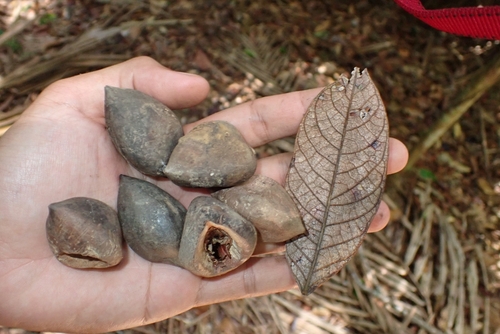
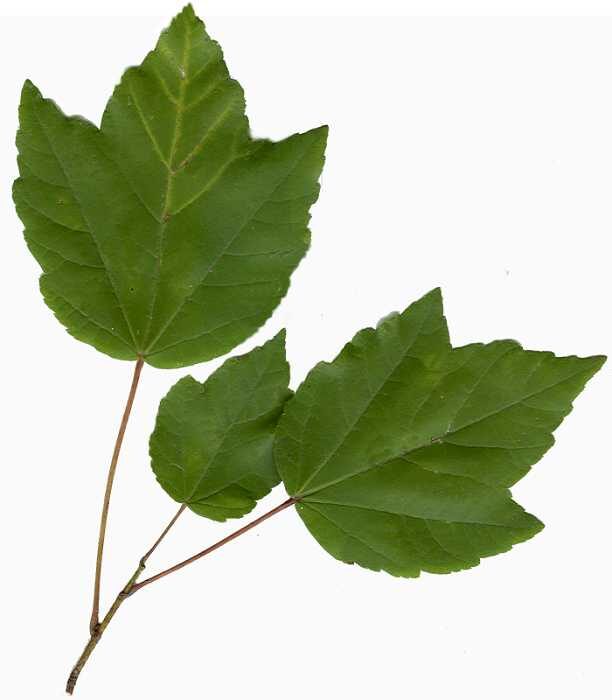
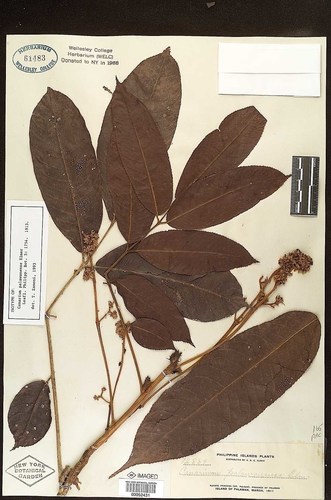
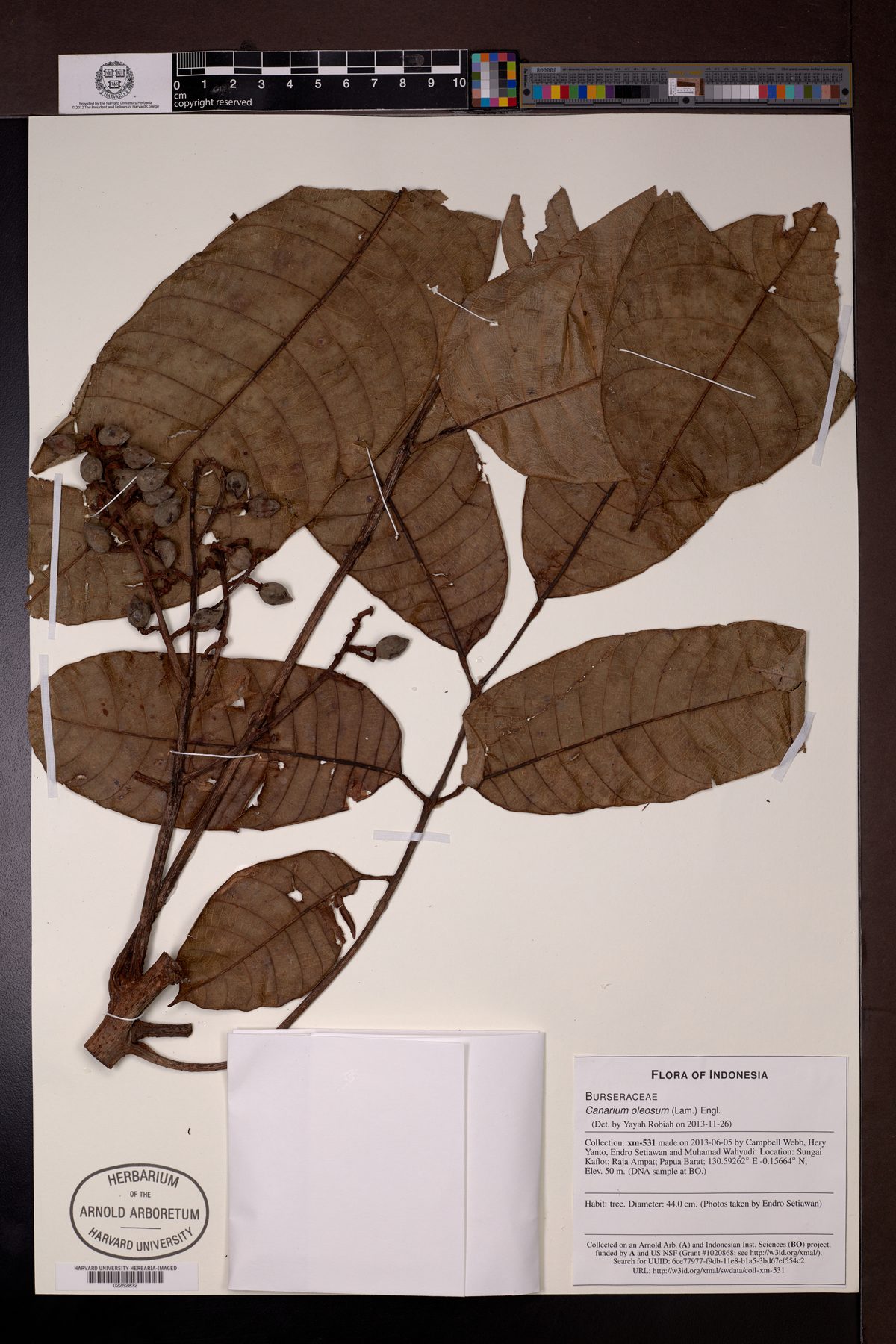
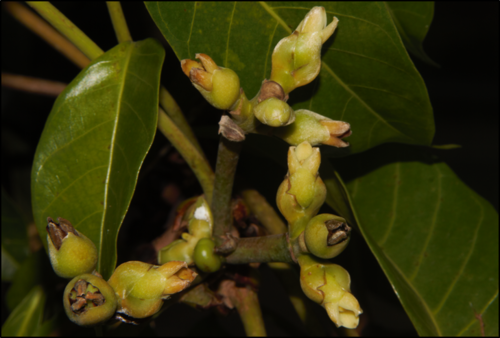
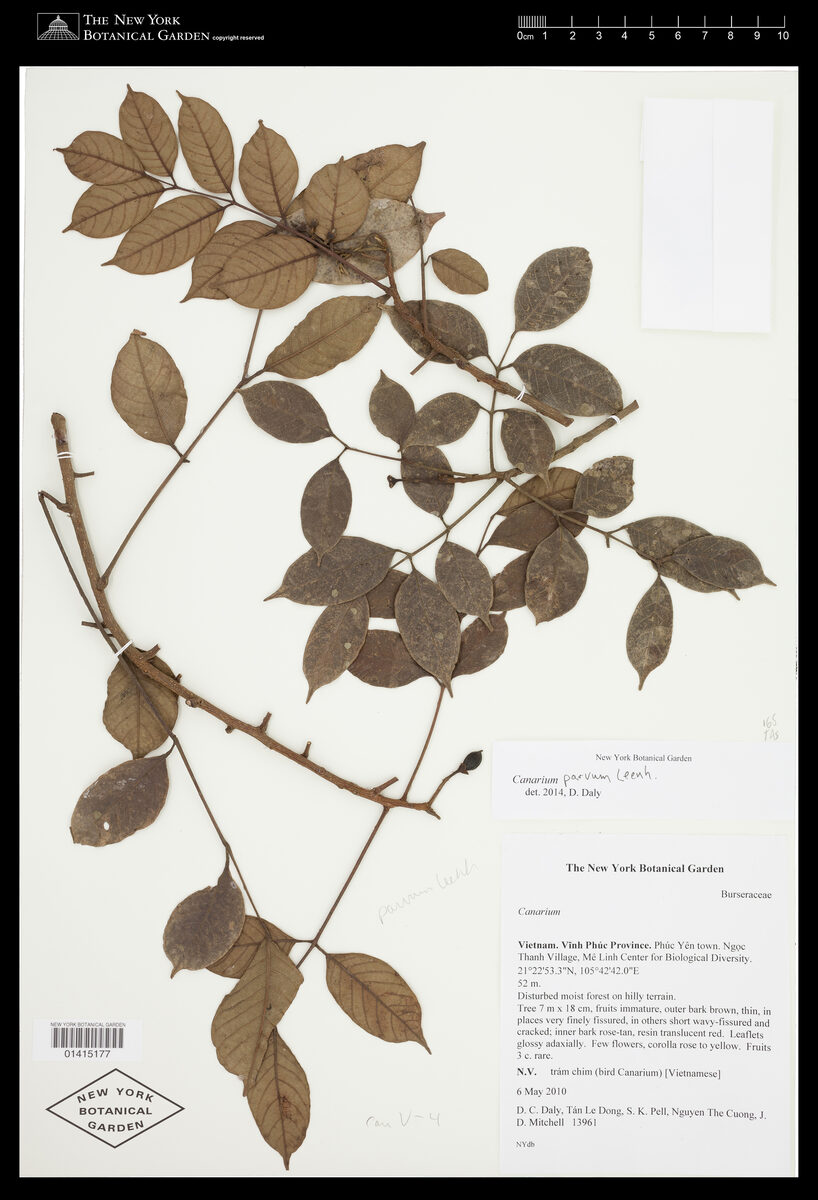
Commiphora wightii - (Arn.) Bhandari.
(Arn.) Bhandari.
Guggul, Indian bdellium-tree
gbif· cc-by-nc
ABHINAV JEEVAN K
gbif· cc-by-nc
ABHINAV JEEVAN K
gbif· cc-by
Malaika Mathew Chawla
Description
Commiphora wightii is a deciduous Shrub growing to 4 m (13ft) by 4 m (13ft) at a slow rate. See above for USDA hardiness. It is hardy to UK zone 10. The plant is not self-fertile. Suitable for: light (sandy) and medium (loamy) soils, prefers well-drained soil and can grow in nutritionally poor soil. Suitable pH: mildly acid, neutral and basic (mildly alkaline) soils. It cannot grow in the shade. It prefers dry or moist soil and can tolerate drought.
Edible Uses
A bitter, pungent gum is obtained from the bark.
Medicinal Uses
Alterative Anticholesterolemic Antirheumatic Antiseptic Antispasmodic Aphrodisiac Astringent Carminative Demulcent Emmenagogue Expectorant Stomachic. The resin is alterative, antiseptic, antispasmodic, aphrodisiac, astringent, carminative, demulcent, emmenagogue, expectorant and stomachic. It is used in the treatment of muscular rheumatism. The gum resin has been used extensively by Ayurvedic physicians for centuries to treat a wide variety of disorders. It is a natural health product, used primarily to reduce elevated blood cholesterol levels. It has been used for many years as a hypocholesterolemic agent in India, where it is has received prescription drug status, due to its high level of efficacy as determined by clinical trials.
Distribution
E. Asia - Pakistan, central and northern India.
Where It Grows
TROPICAL ASIA: India (Gujarat, Karnataka, Madhya Pradesh, Rajasthan), Pakistan (Sindh)
Cultivation
A plant of arid and semi-arid areas in the tropics where it can be found at elevations from 250 - 1,800 metres. It is found in areas where the mean annual rainfall is within the range 225 - 500mm and the temperature ranges from 20 - 35c. Requires a sunny position. Found in the wild in sandy and rocky soils. A slow growing plant, it takes 8 to 10 years to reach a height of 3 - 3.5 metres. Pruning or the removal of branches in the early stages of the plant's growth helps to achieve better growth, increases the girth of growing branches and thereby leads to better gum yield. The plant generally takes ten years to reach tapping maturity under the dry climatic conditions of its native environment. The yields are in the order of 200 - 500 gm of dry guggul per tree per season. Plants are dimorphic, one form having bisexual and male flowers, whilst the other has female flowers with staminodes. It is inferred that pollen grains from bisexual or male flowers, present on the first form of plants are needed for the production of normal fruits on plants with only female flowers. It has become so scarce in its two habitats in India - Gujarat and Rajasthan - that the World Conservation Union (IUCN) has enlisted it in its Red Data List of endangered species.
Propagation
From seed; stratify if sowing indoors. Seed Collecting: Collect seedhead/pod when flowers fade; allow to dry.
Other Uses
Cosmetic Essential Gum Hedge Incense Resin Teeth. Agroforestry Uses: The plant is sometimes grown as a barrier hedge. Other Uses The tree is the source of Guggul or Indian Bdellium, a gum-resin that exudes from the branches. It is largely used as an incense and in perfumery. The thick branches are selected in winter and their bark incised to extract the oleo resin gum. The commercial product of the oleo-gum resin contains 58% resin along with mineral matter, 32.3% gum, 4.65% foreign organic matter and 1.45% aromatic essential oil. Young branches are used as a toothbrush to clean the teeth and maintain dental hygiene.
Synonyms
Also Known As
Other names include Indian bdellium-tree, gugal, gugul, and Mukul myrrh tree.