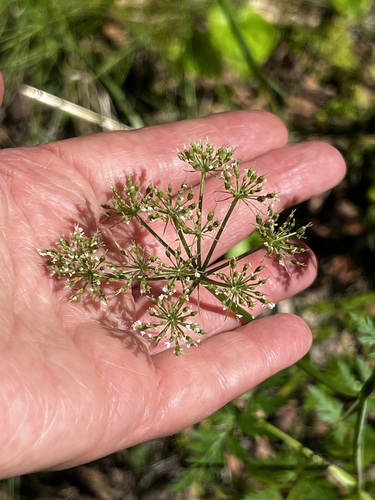
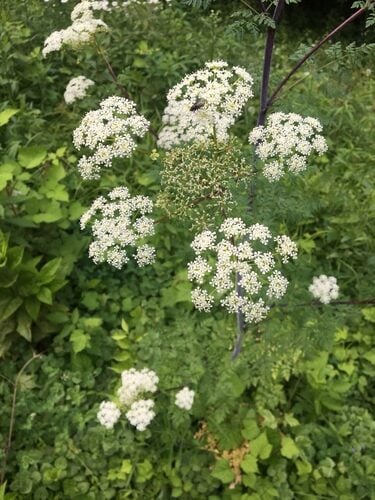
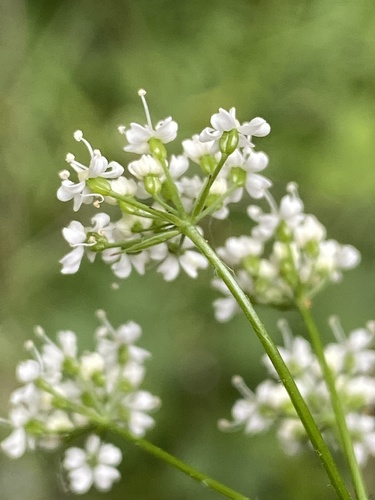
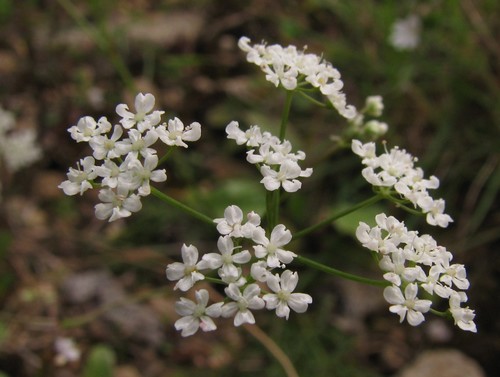
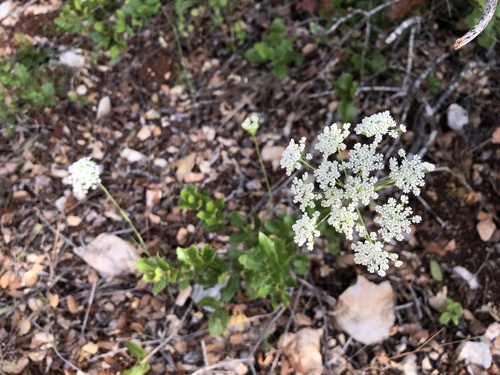
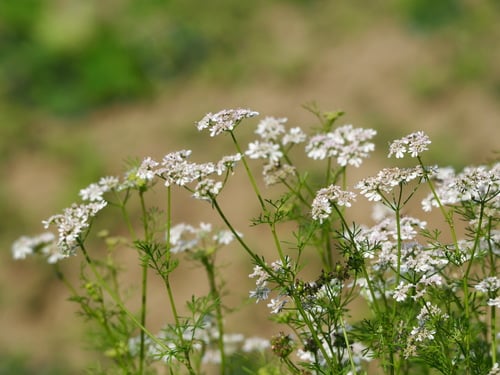
Eryngium grande
L.
gbif· cc0
President and Fellows of Harvard College
Description
A temperate herb of the carrot family (Apiaceae) with edible leaves.
This description is brief — help expand it
Edible Uses
Young leaves can be eaten raw and have a crisp texture.
Medicinal Uses
None known.
Distribution
It is a temperate plant.
Where It Grows
Europe, Greece, Mediterranean,
Propagation
Seed is best sown as soon as it is ripe in early autumn, placed on the surface of a well-drained compost in a cold frame. Sowing in spring is also possible. Germination typically occurs in 5–90 days at 20°C. Once large enough to handle, prick seedlings out into individual pots and grow them on in the greenhouse through their first winter, then plant out into permanent positions in late spring or early summer after the last expected frosts. Division can be done in early spring or autumn, though care should be taken as the plant resents root disturbance. Root cuttings can be taken in autumn or winter.
Other Uses
None known.
Notes
There are 230 Eryngium species.
References (1)
- Plants for a Future database, The Field, Penpol, Lostwithiel, Cornwall, PL22 0NG, UK. http://www.scs.leeds.ac.uk/pfaf/