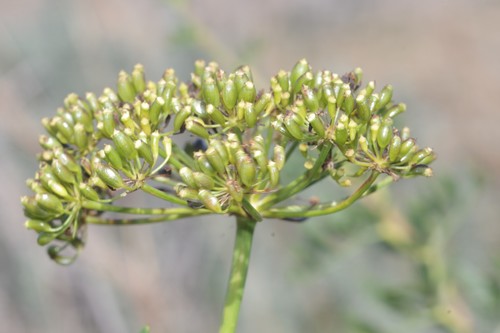
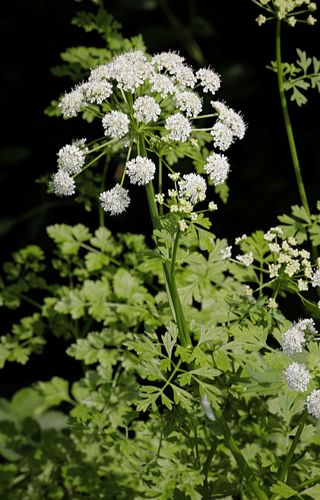
Alepidea peduncularis
Steud. ex A. Rich.
iNaturalist· cc-by-nc
(c) Kate Braun, some rights reserved (CC BY-NC), uploaded by Kate Braun
iNaturalist· cc-by-nc
(c) Kate Braun, some rights reserved (CC BY-NC), uploaded by Kate Braun
iNaturalist· cc-by-nc
(c) Kate Braun, some rights reserved (CC BY-NC), uploaded by Kate Braun
Summary
Source: WikipediaAlepidea peduncularis is an edible perennial herb native to the montane grasslands of East and South Africa.
Description
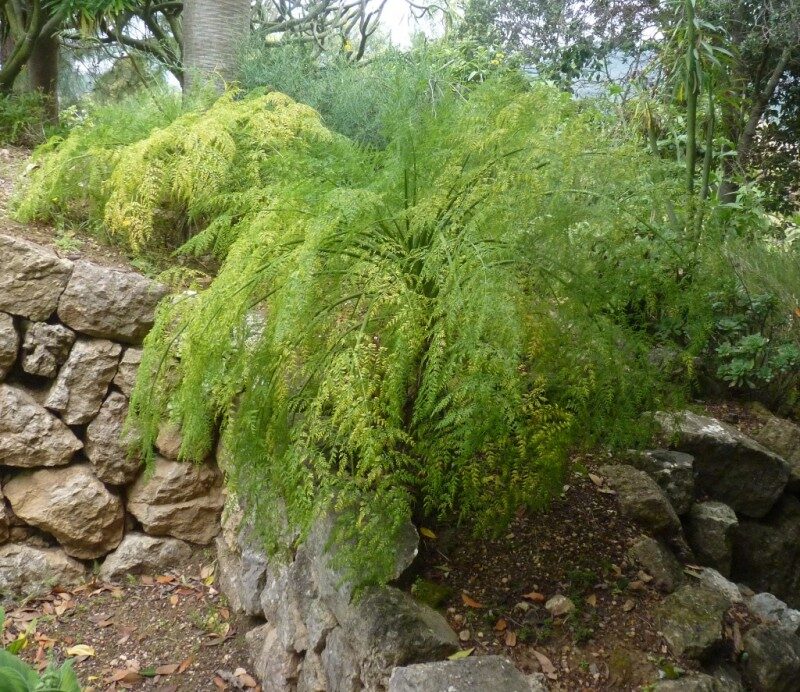
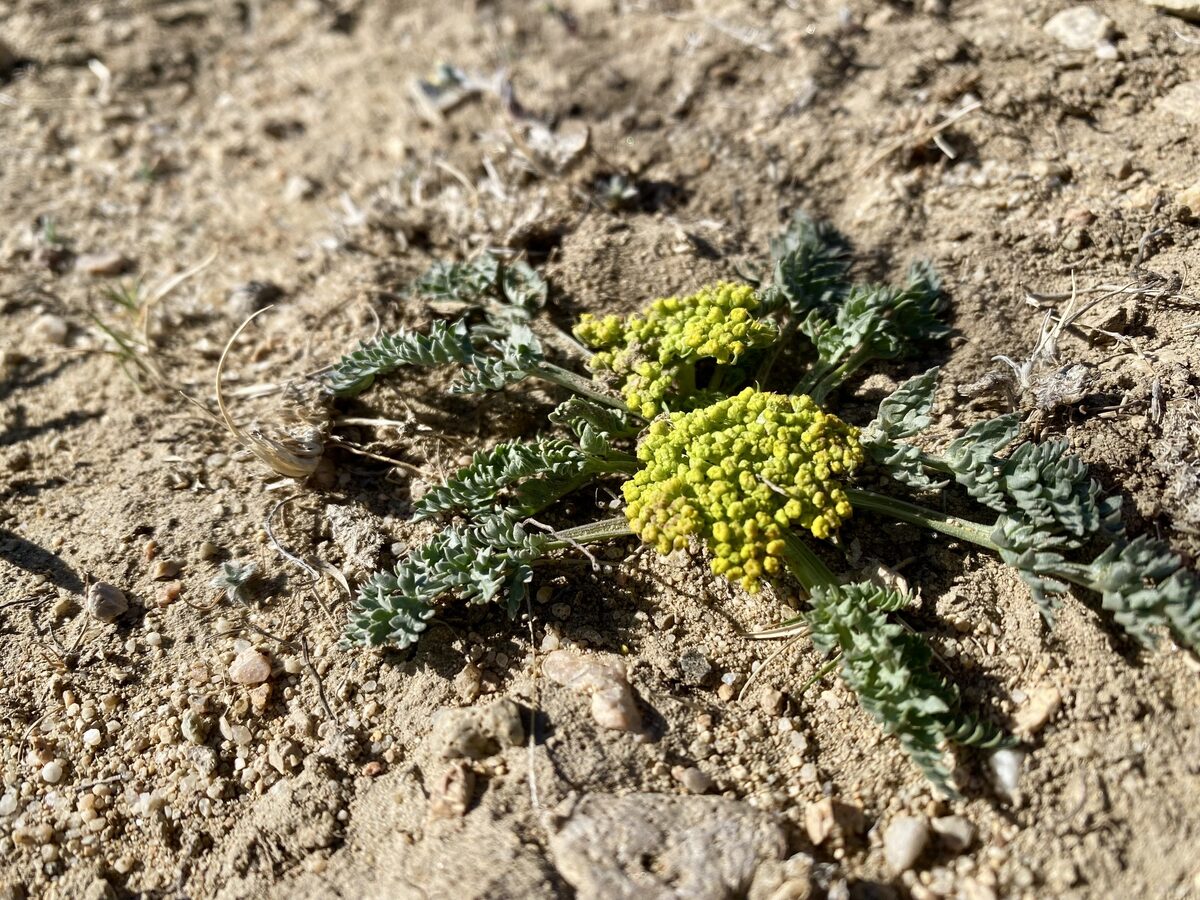
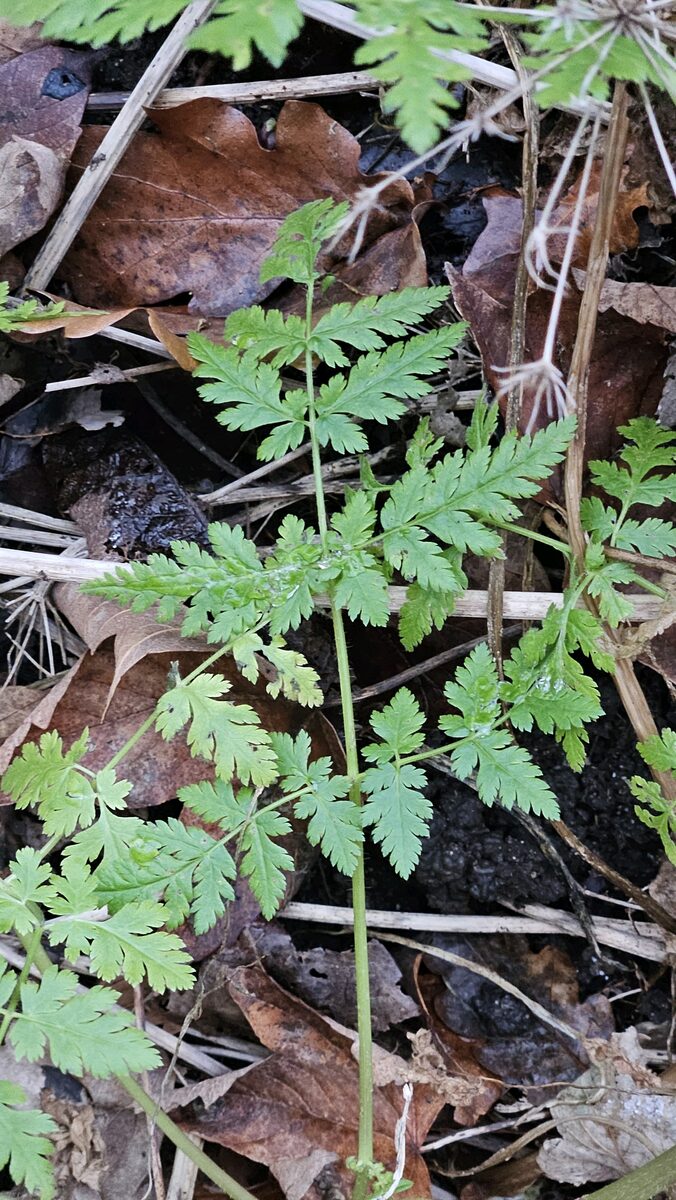
A herb. It keeps growing from year to year. It grows 1.2 m high. The roots are fibrous and in thick fleshy clusters. The stems are slender and branched. The leave are simple and alternate. The leaves are in a ring at the base. The leaves on the stem are smaller. The flowers are in heads.
Edible Uses
Young leaves are cooked and eaten as a vegetable.
Traditional Uses
Young leaves are cooked and eaten as a vegetable.
This uses section is brief — help expand it
Medicinal Uses
A decoction of the roots is taken in the treatment of coughs and fevers.
Distribution
It is a tropical plant. It grows in mountains and where grass is often burnt. It grows between 1,000-3,800 m above sea level.
Where It Grows
Africa, Central Africa, Congo, East Africa, Ethiopia, Sudan,
Synonyms
References (4)
- Grubben, G. J. H. and Denton, O. A. (eds), 2004, Plant Resources of Tropical Africa 2. Vegetables. PROTA, Wageningen, Netherlands. p 35 (This seems to confuse 2 species.)
- Molla, A., Ethiopian Plant Names. http://www.ethiopic.com/aplants.htm
- Ruiters-Welcome, A. K., 2019, Food plants of southern Africa. Ph.D. thesis. Univ. of Johannesburg p 18
- Welcome, A. K. & Van Wyk, B.-E., 2019, An inventory and analysis of the food plants of southern Africa. South African Journal of Botany 122 (2019) 136–179