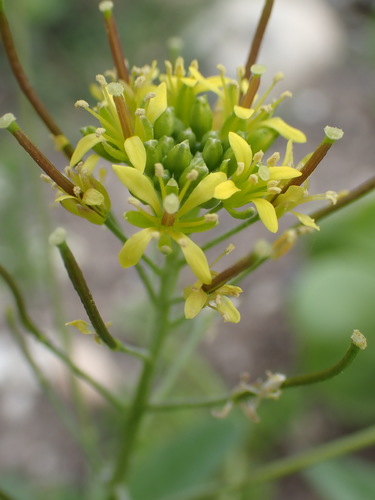
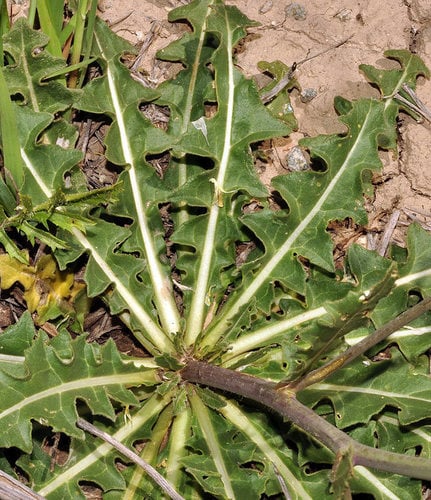
Brassica rapa campestris
L.(A.R.Clapham.
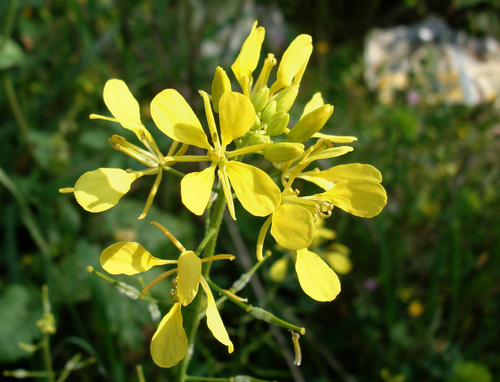
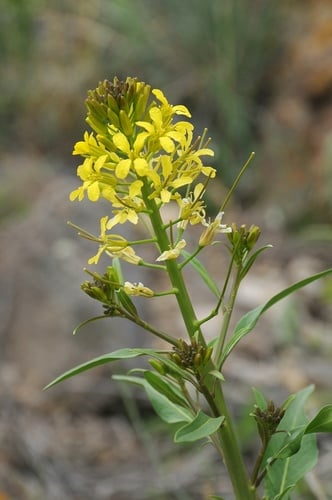
Wild Turnip
iNaturalist· cc-by-nc
(c) Ольга Курякова, some rights reserved (CC BY-NC), uploaded by Ольга Курякова
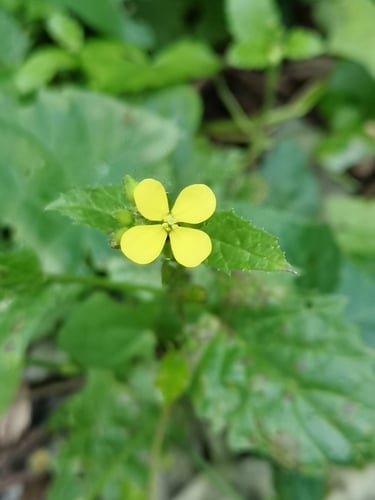
iNaturalist· cc-by-nc
(c) Alexander Iosipenko, some rights reserved (CC BY-NC), uploaded by Alexander Iosipenko
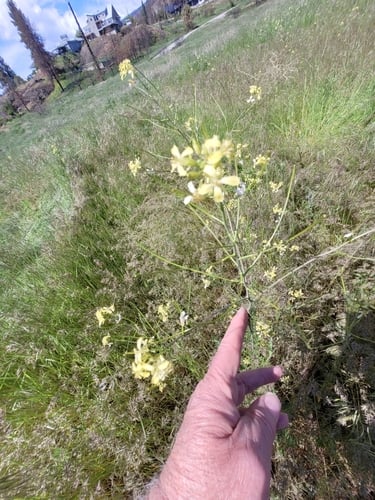
iNaturalist· cc-by-nc
(c) Павкина Екатерина, some rights reserved (CC BY-NC), uploaded by Павкина Екатерина
Description
Brassica rapa campestris is a ANNUAL growing to 0.8 m (2ft 7in). See above for USDA hardiness. It is hardy to UK zone 7 and is not frost tender. It is in flower from May to August. The species is hermaphrodite (has both male and female organs) and is pollinated by Bees. The plant is self-fertile. Suitable for: light (sandy), medium (loamy) and heavy (clay) soils, prefers well-drained soil and can grow in heavy clay soil. Suitable pH: mildly acid, neutral and basic (mildly alkaline) soils and can grow in very alkaline soils. It can grow in semi-shade (light woodland) or no shade. It prefers moist soil.
Edible Uses
Oil. Leaves - raw or cooked. A strong radish/cabbage flavour. An edible oil is obtained from the seed, it is best when cold pressed. Some varieties are rich in erucic acid which can be harmful.
Medicinal Uses
Antiscorbutic Vitamin CThe tuberous roots and seeds are considered to be antiscorbutic. A rather strange report, the leaves are much more likely to contain reasonable quantities of vitamin C than the roots or seeds.
Known Hazards
The oil contained in the seed of some varieties of this species can be rich in erucic acid which is toxic. However, modern cultivars have been selected which are almost free of erucic acid.
Distribution
Europe - Mediterranean. Naturalized in Britain.
Where It Grows
(Brassica rapa) Albania, Algeria, Bulgaria, Eritrea, Ethiopia, Greece, Iran, Iraq, Italy, Kriti, Lebanon-Syria, Libya, Morocco, North Caucasus, Oman, Palestine, Saudi Arabia, Transcaucasus, Tunisia, Turkey, Yugoslavia.
Cultivation
Succeeds in full sun in a well-drained fertile preferably alkaline soil. Succeeds in any reasonable soil but prefers one on the heavy side. Tolerates a pH in the range 4.8 to 8.3. This is the wild form of the turnip with a non-tuberous tap-root. It is closely related to the cultivated forms that are grown for their edible oil-bearing seeds.
Propagation
Seed - sow spring or autumn in situ.
Other Uses
Oil Oil. The seed contains up to 45% of a semi-drying oil. It is used as a lubricant, luminant and in soap making[1, 46, 57, 61, 74, 171].