Betula platyphylla
Sukachev.
White Birch, Asian white birch
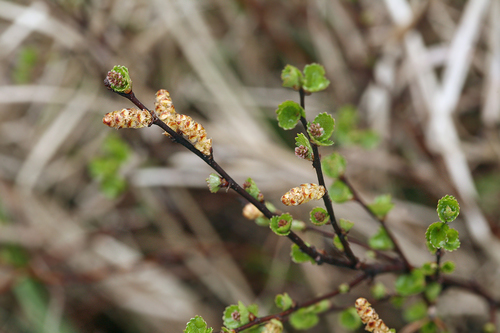
iNaturalist· cc-by-nc
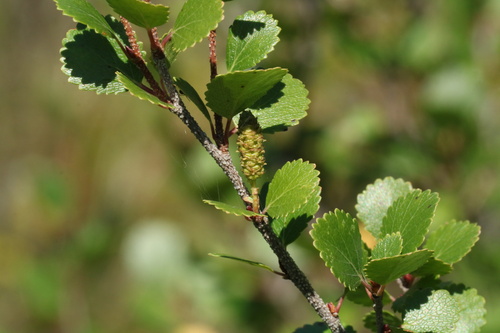
(c) Ольга Курякова, some rights reserved (CC BY-NC), uploaded by Ольга Курякова
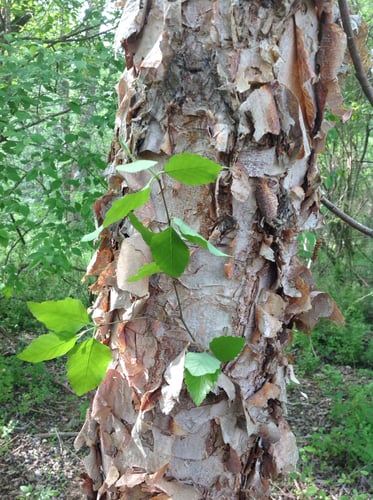
iNaturalist· cc-by-sa
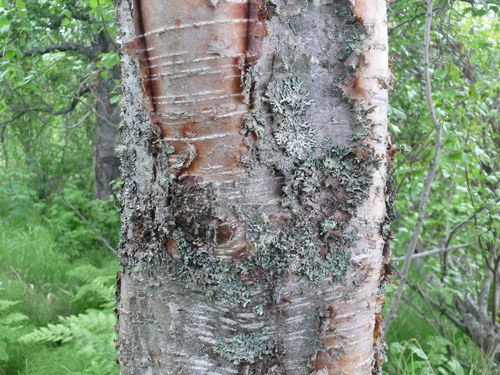
(c) harum.koh, some rights reserved (CC BY-SA), uploaded by harum.koh
iNaturalist· cc-by
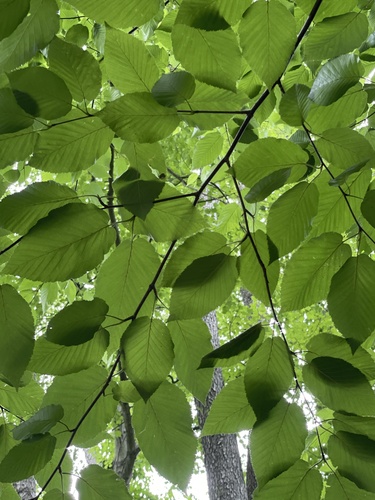
(c) TANAKA Juuyoh (田中十洋), some rights reserved (CC BY)
Description
Betula platyphylla is a deciduous Tree growing to 20 m (65ft 7in) at a fast rate. See above for USDA hardiness. It is hardy to UK zone 5. It is in flower from April to May, and the seeds ripen in September. The species is monoecious (individual flowers are either male or female, but both sexes can be found on the same plant) and is pollinated by Wind. Suitable for: light (sandy), medium (loamy) and heavy (clay) soils, prefers well-drained soil and can grow in heavy clay and nutritionally poor soils. Suitable pH: mildly acid, neutral and basic (mildly alkaline) soils. It cannot grow in the shade. It prefers dry or moist soil. The plant can tolerates strong winds but not maritime exposure.
Edible Uses
Inner bark - cooked. Rich in starch. It can be dried and ground into a meal and used as a thickener in soups etc or mixed with flour for making bread, biscuits etc. Inner bark is generally only seen as a famine food, used when other forms of starch are not available or are in short supply. Sap. Used for making a vinegar.
Medicinal Uses
Antifungal Antiinflammatory Antiseborrheic Cancer Tonic Urinary. The bark of the sub-species Betula platyphylla japonica is often used medicinally in Korea. It contains several medically active constituents including triterpenoids and flavonoids and is antifungal, anti-inflammatory and tonic. It is used in the treatment of conditions such as internal diseases and inflammation. The root bark, and other parts of the plant, show anticancer activity. The German Commission E Monographs, a therapeutic guide to herbal medicine, approve Betula species for infections of the urinary tract, kidney and bladder stones, rheumatism (see for critics of commission E).
Known Hazards
The aromatic and aliphatic hydrocarbons in birch tar are irritating to the skin. Do not use in patients with oedema or with poor kidney or heart functions
Distribution
E. Asia - northern China, Japan, Korea, Siberia.
Where It Grows
TEMPERATE ASIA: Russian Federation (Buryatia, Chita, Yakutia-Sakha), Russian Federation (Primorye, Amur, Kamcatskij kraj, Magadanskaja oblast, Sakhalin), China (Hebei Sheng, Heilongjiang Sheng, Henan Sheng, Jiangsu Sheng, Jilin Sheng, Liaoning Sheng, Nei Mongol Zizhiqu, Ningxia Huizi Zizhiqu, Shaanxi Sheng, Shanxi Sheng), Japan (Hokkaidô, Honshu), Korea, North NORTHERN AMERICA: Canada (Northwest Territories (west), Yukon, Ontario (west), Saskatchewan, Alberta, Manitoba, British Columbia), United States (Alaska)
Cultivation
Succeeds in a well-drained loamy soil in a sunny position. Tolerates most soils including poor soils and heavy clays. Fairly wind tolerant. A fast-growing but short-lived tree. Hybridizes freely with other members of this genus. This species is closely related to B. pendula. A good plant to grow near the compost heap, aiding the fermentation process. Trees are notably susceptible to honey fungus.
Propagation
Seed - best sown as soon as it is ripe in a light position in a cold frame. Only just cover the seed and place the pot in a sunny position. Spring sown seed should be surface sown in a sunny position in a cold frame. If the germination is poor, raising the temperature by covering the seed with glass can help. When they are large enough to handle, prick the seedlings out into individual pots and grow them on in a cold frame for at least their first winter. Plant them out into their permanent positions in late spring or early summer, after the last expected frosts. If you have sufficient seed, it can be sown in an outdoor seedbed, either as soon as it is ripe or in the early spring - do not cover the spring sown seed. Grow the plants on in the seedbed for 2 years before planting them out into their permanent positions in the winter.
Other Uses
Dynamic accumulator.