Betula pubescens
Ehrh.
White birch, Brown Birch, Downy birch, Hairy birch
iNaturalist· cc-by-nc
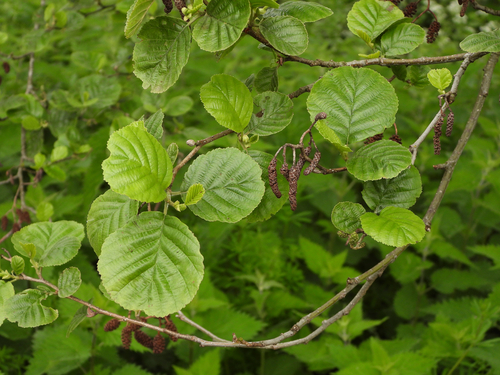
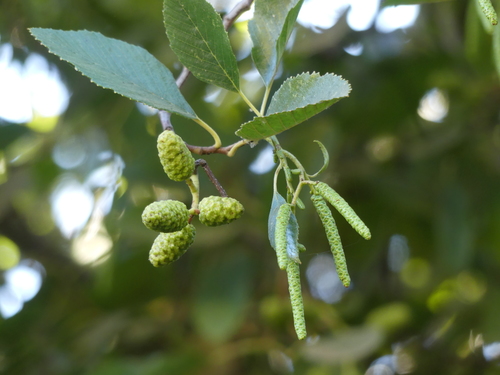
(c) Denys Davydov, some rights reserved (CC BY-NC), uploaded by Denys Davydov
iNaturalist· cc-by-nc
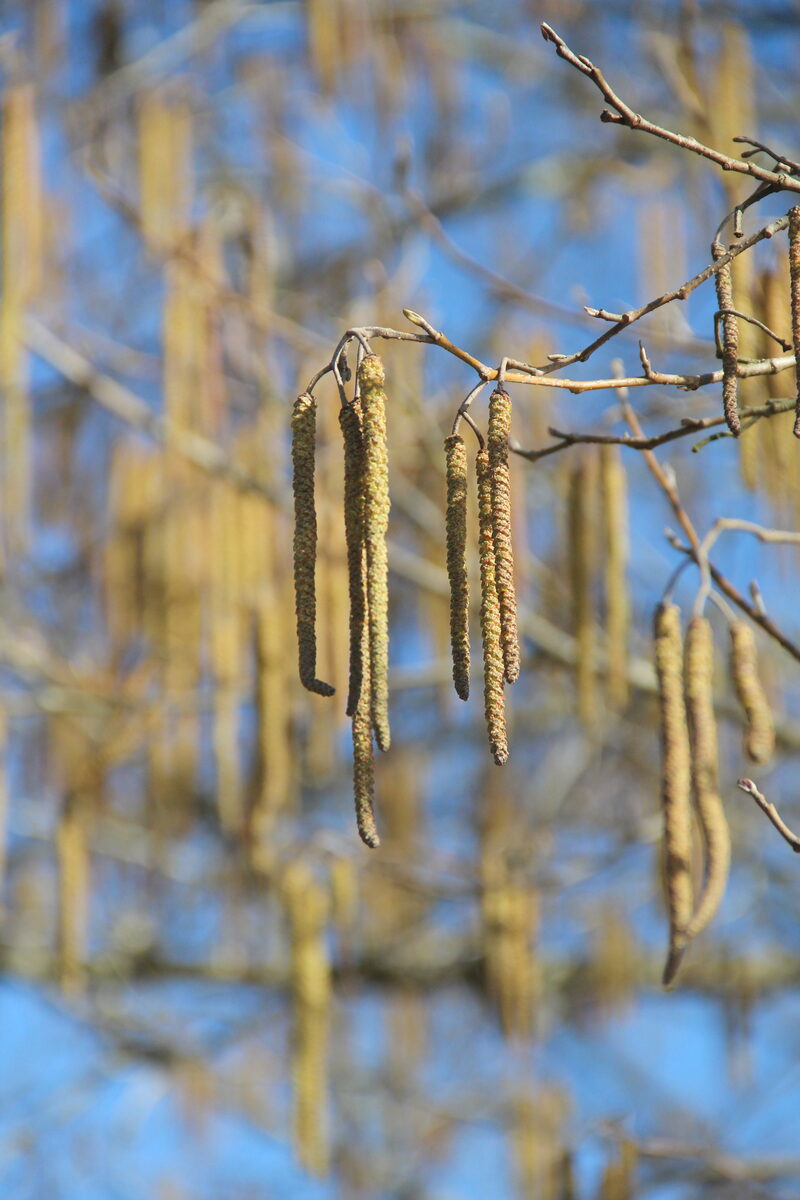
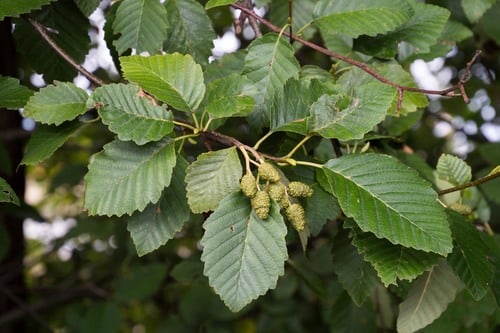
(c) Татьяна, some rights reserved (CC BY-NC), uploaded by Татьяна
iNaturalist· cc-by-nc
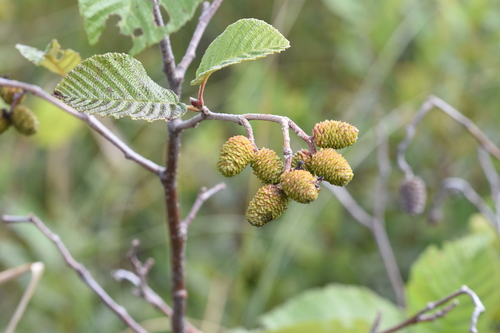
(c) Tishin Denis, some rights reserved (CC BY-NC), uploaded by Tishin Denis
Summary
Source: WikipediaBetula pubescens (syn. Betula alba), commonly known as downy birch and also as moor birch, white birch, European white birch or hairy birch, is a species of deciduous tree, native and abundant throughout northern Europe and northern Asia, growing further north than any other broadleaf tree. It is closely related to, and often confused with, the silver birch (B. pendula), but grows in wetter places with heavier soils and poorer drainage; smaller trees can also be confused with the dwarf birch (B. nana). Six varieties are recognised and it hybridises with the silver and dwarf birches. A number of cultivars have been developed, but many are no longer in cultivation. The larva of the autumnal moth (Epirrita autumnata) feeds on the foliage and in some years, large areas of birch forest can be defoliated by this insect. Many fungi are associated with the tree and certain pathogenic fungi are the causal agents of birch dieback disease. The tree is a pioneer species, readily colonising cleared land, but later being replaced by taller, more long-lived species. The bark can be stripped off without killing the tree. The bark and the timber is used for turnery and in the manufacture of plywood, furniture, shelves, coffins, matches, toys and wood flooring. The inner bark is edible and it was ground up and used in bread-making in times of famine. The rising sap in spring can be used to make refreshing drinks, wines, ales and liqueurs and various parts of the tree have been used in herbal medicine.
Description
A tree which loses its leaves during the year. It grows to 24 m high. It spreads 9 m wide. The bark is cream brown. There is fine down on the young twigs. The branches are twisting and do not hang down. The crown is rounded. The leaves are triangular shaped and have an irregular edge. They are 6 cm long and 5 cm across. The leaf stalk is slender and hairy. The female catkins are smaller and more erect than the male catkins. The male catkins are 6 cm long and yellow.
Edible Uses
Edible Parts: Flowers Inner bark Leaves Sap Edible Uses: Tea Inner bark - cooked or dried, ground into a powder then used with cereals for making bread etc. Inner bark is generally only seen as a famine food, used when other forms of starch are not available or are in short supply[177, K]. Sap - raw or cooked. A sweet flavour. Harvested in early spring, before the leaves unfurl, by tapping the trunk. The flow is best on sunny days following a heavy frost. The sap is often concentrated into a sugar by boiling off the water. Between 4 and 7 litres can be drawn off a mature tree in a day and this will not kill the tree so long as the tap hole is filled up afterwards. However, prolonged or heavy tapping will kill the tree. A beer can be fermented from the sap. An old English recipe for the beer is as follows:- "To every Gallon of Birch-water put a quart of Honey, well stirr'd together; then boil it almost an hour with a few Cloves, and a little Limon-peel, keeping it well scumm'd. When it is sufficiently boil'd, and become cold, add to it three or four Spoonfuls of good Ale to make it work...and when the Test begins to settle, bottle it up . . . it is gentle, and very harmless in operation within the body, and exceedingly sharpens the Appetite, being drunk ante pastum.". Young leaves - raw or cooked. Young catkins. No more details are given. A tea is made from the leaves and another tea is made from the essential oil in the inner bark.
Traditional Uses
The sap is rich in sugar. It can be tapped in spring and made into birch wine by adding honey. The buds are used as flavouring in drinks.
This uses section is brief — help expand it
Medicinal Uses
Antirheumatic Antiseborrheic Astringent Bitter Diaphoretic Diuretic Eczema Lithontripic Miscellany Skin Urinary Anti-inflammatory, cholagogue, diaphoretic. The bark is diuretic and laxative. The inner bark is bitter and astringent, it is used in treating intermittent fevers. An oil obtained from the inner bark is astringent and is used in the treatment of various skin afflictions, especially eczema and psoriasis. The bark is usually obtained from trees that have been felled for timber and can be distilled at any time of the year. The buds are balsamic. The young shoots and leaves secrete a resinous substance which has acid properties, when combined with alkalis it is a tonic laxative. The leaves are anticholesterolemic and diuretic. They also contain phytosides, which are effective germicides. An infusion of the leaves is used in the treatment of gout, dropsy and rheumatism, and is recommended as a reliable solvent of kidney stones. The young leaves and leaf buds are harvested in the spring and dried for later use. A decoction of the leaves and bark is used for bathing skin eruptions. The vernal sap is diuretic. The boiled and powdered wood has been applied to chafed skin. Moxa is made from the yellow fungous excrescences of the wood, which sometimes swell out of the fissures. The German Commission E Monographs, a therapeutic guide to herbal medicine, approve Betula species for infections of the urinary tract, kidney and bladder stones, rheumatism (see for critics of commission E).
Known Hazards
The aromatic and aliphatic hydrocarbons in birch tar are irritating to the skin. Do not use in patients with oedema or with poor kidney or heart functions
Distribution
It is a temperate plant. It can tolerate more poorly drained soil. It grows in wetter soils and damp uplands. It is frost resistant. It is damaged by drought. Hobart Botanical Gardens. It suits hardiness zones 2-9. Arboretum Tasmania.
Where It Grows
Arctic*, Asia, Australia, Belarus, Britain, China, Czech Republic, Denmark, Estonia, Europe, France, Germany, Greenland, Hungary, Iceland, Iraq, Latvia, Lithuania, Luxembourg, Middle East, Norway, Poland, Romania, Russia, Scandinavia, Slovenia, Sweden, Switzerland, Tasmania, Turkey, Türkiye, Ukraine,
Cultivation
Succeeds in a well-drained light loamy soil in a sunny position. Grows well in heavy clay soils. Tolerates a wet position, succeeding in poorly drained soils. Fairly wind tolerant. Prefers an acid soil. A very ornamental tree and fast growing, capable of growing 1 metre a year but it is short-lived. It is one of the first trees to colonize open land and it creates a suitable environment for other woodland trees to follow. These trees eventually shade out the birch trees. Trees take about 15 years from seed to produce their own seed. Although closely related, it does not usually hybridize with B. pendula. It hybridizes freely with B. pendula according to another report. A superb tree for encouraging wildlife, it has over 200 associated insect species. A good plant to grow near the compost heap, aiding the fermentation process. It is also a good companion plant, its root activity working to improve the soil. Trees are notably susceptible to honey fungus.
Propagation
Seed - best sown as soon as it is ripe in a light position in a cold frame. Only just cover the seed and place the pot in a sunny position. Spring sown seed should be surface sown in a sunny position in a cold frame. If the germination is poor, raising the temperature by covering the seed with glass can help. When they are large enough to handle, prick the seedlings out into individual pots and grow them on in a cold frame for at least their first winter. Plant them out into their permanent positions in late spring or early summer, after the last expected frosts. If you have sufficient seed, it can be sown in an outdoor seedbed, either as soon as it is ripe or in the early spring - do not cover the spring sown seed. Grow the plants on in the seedbed for 2 years before planting them out into their permanent positions in the winter.
Other Uses
Adhesive Besom Charcoal Compost Dye Essential Fibre Fungicide Miscellany Paper Pioneer Polish Repellent Tannin Thatching Waterproofing Wood The bark is used to make drinking vessels, canoe skins, roofing tiles etc. It is waterproof, durable, tough and resinous. Only the outer bark is removed, this does not kill the tree. It is most easily removed in late spring to early summer. The bark was pressed flat and stored until the following spring. When required for making canoes it would be heated over a fire to make it pliable for shaping to the canoe frame. A pioneer species, it readily invades old fields, cleared or burnt-over land and creates conditions suitable for other woodland trees to become established. Since it is relatively short-lived and intolerant of shade, it is eventually out-competed by these trees. A tar-oil is obtained from the white bark in spring. It has fungicidal properties and is also used as an insect repellent. It makes a good shoe polish. Another report says that an essential oil is obtained from the bark and this, called 'Russian Leather' has been used as a perfume. A glue is made from the sap. Cordage can be made from the fibres of the inner bark. This inner bark can also be separated into thin layers and used as a substitute for oiled paper. A decoction of the inner bark is used to preserve cordage, it is rich in tannin. The bark contains up to 16% tannin. A brown dye is obtained from the inner bark. An oil similar to Wintergreen oil (obtained from Gaultheria procumbens) is obtained from the inner bark. It is used medicinally and also makes a refreshing tea. The young branches are very flexible and are used to make whisks, besoms etc. They are also used in thatching and to make wattles. The leaves are a good addition to the compost heap, improving fermentation. A black paint is obtained from the soot of the plant. A high quality charcoal is obtained from the bark. It is used by artists, painters etc. Wood - soft, light, durable. It is used for a wide range of purposes including furniture, tool handles, carving, toys etc. It is a source of charcoal that is used by artists and is also pulped and used for making paper. Special Uses Attracts Wildlife Dynamic accumulator Food Forest Scented Plants
Notes
There are about 60 Betula species. They grow in cool north temperate climates.
Synonyms
Also Known As
Bjork, Bereza, Byoa, Byola, Puhasta breza
References (22)
- Abbet, C., et al, 2014, Ethnobotanical survey on wild alpine food plants in Lower and Central Valais (Switzerland). Journal of Ethnopharmacology 151 (2014) 624–634
- Beitr. Naturk. 6:98. 1791
- Bircher, A. G. & Bircher, W. H., 2000, Encyclopedia of Fruit Trees and Edible Flowering Plants in Egypt and the Subtropics. AUC Press. p 59
- Bodkin, F., 1991, Encyclopedia Botanica. Cornstalk publishing, p 146
- Brown, D., 2002, The Royal Horticultural Society encyclopedia of Herbs and their uses. DK Books. p 143
Show all 22 references Hide references
- Coombes, A.J., 2000, Trees. Dorling Kindersley Handbooks. p 124
- Cundall, P., (ed.), 2004, Gardening Australia: flora: the gardener's bible. ABC Books. p 237
- Etherington, K., & Imwold, D., (Eds), 2001, Botanica's Trees & Shrubs. The illustrated A-Z of over 8500 trees and shrubs. Random House, Australia. p 132
- Girard, N. J., 2020, Sustainable Foraging of Wild Edible Plants in Norway. A Bioculutral Approach. M. Sc. thesis Norwegian University. p 37
- Grandtner, M. M., 2008, World Dictionary of Trees. Wood and Forest Science Department. Laval University, Quebec, Qc Canada. (Internet database http://www.WDT.QC.ca)
- Harris, E & J., 1983, Field Guide to the Trees and Shrubs of Britain. Reader's Digest. p 29
- Lord, E.E., & Willis, J.H., 1999, Shrubs and Trees for Australian gardens. Lothian. p 48
- Lyle, S., 2006, Discovering fruit and nuts. Land Links. p 93
- Morley, B. & Everard, B., 1970, Wild Flowers of the World. Ebury press. Plate 12
- Plants for a Future database, The Field, Penpol, Lostwithiel, Cornwall, PL22 0NG, UK. http://www.scs.leeds.ac.uk/pfaf/
- Prakofjewa, J., et al, 2023, Boundaries Are Blurred: Wild Food Plant Knowledge Circulation across the Polish-Lithuanian-Belarusian Borderland. Biology 2023, 12, 571.
- Pruse, B., et al, 2021, Active Wild Food Practices among Culturally Diverse Groups in the 21st Century across Latgale, Latvia. Biology 2021, 10, 551.
- Schuler, S., (Ed.), 1977, Simon & Schuster's Guide to Trees. Simon & Schuster. No. 85
- Shikov, A. N. et al, 2017, Traditional and Current Food Use of Wild Plants Listed in the Russian Pharmacopoeia. Frontiers in Pharmacology. Vol. 8 Article 841
- Svanberg, I. et al, 2012, Uses of tree saps in northern and eastern parts of Europe. Acta Societatis Botanicorum Poloniae 81 (4): 343-357
- Whitney, C. W., et al, 2012, A Survey of Wild Collection and Cultivation of Indigenous Species in Iceland. Human Ecology 40:781-787
- Young, J., (Ed.), 2001, Botanica's Pocket Trees and Shrubs. Random House. p 140