Betula populifolia
Marshall
Grey birch
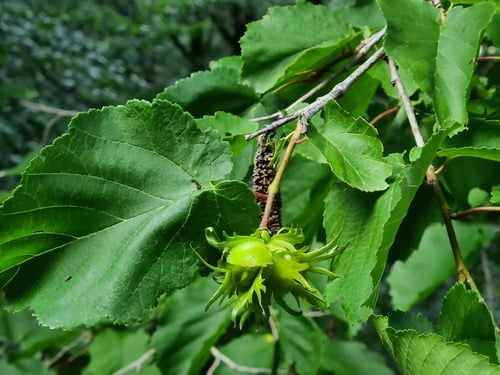
iNaturalist· cc-by
(c) Homer Edward Price, some rights reserved (CC BY)
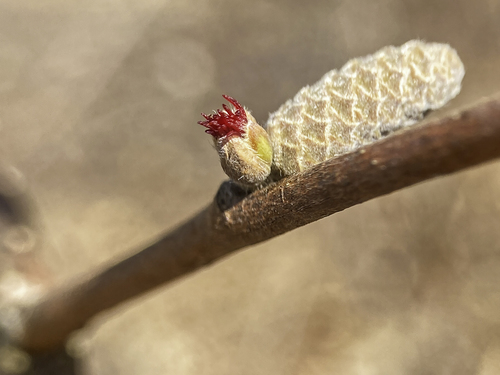
iNaturalist· cc-by-nc
(c) Owen Clarkin, some rights reserved (CC BY-NC), uploaded by Owen Clarkin
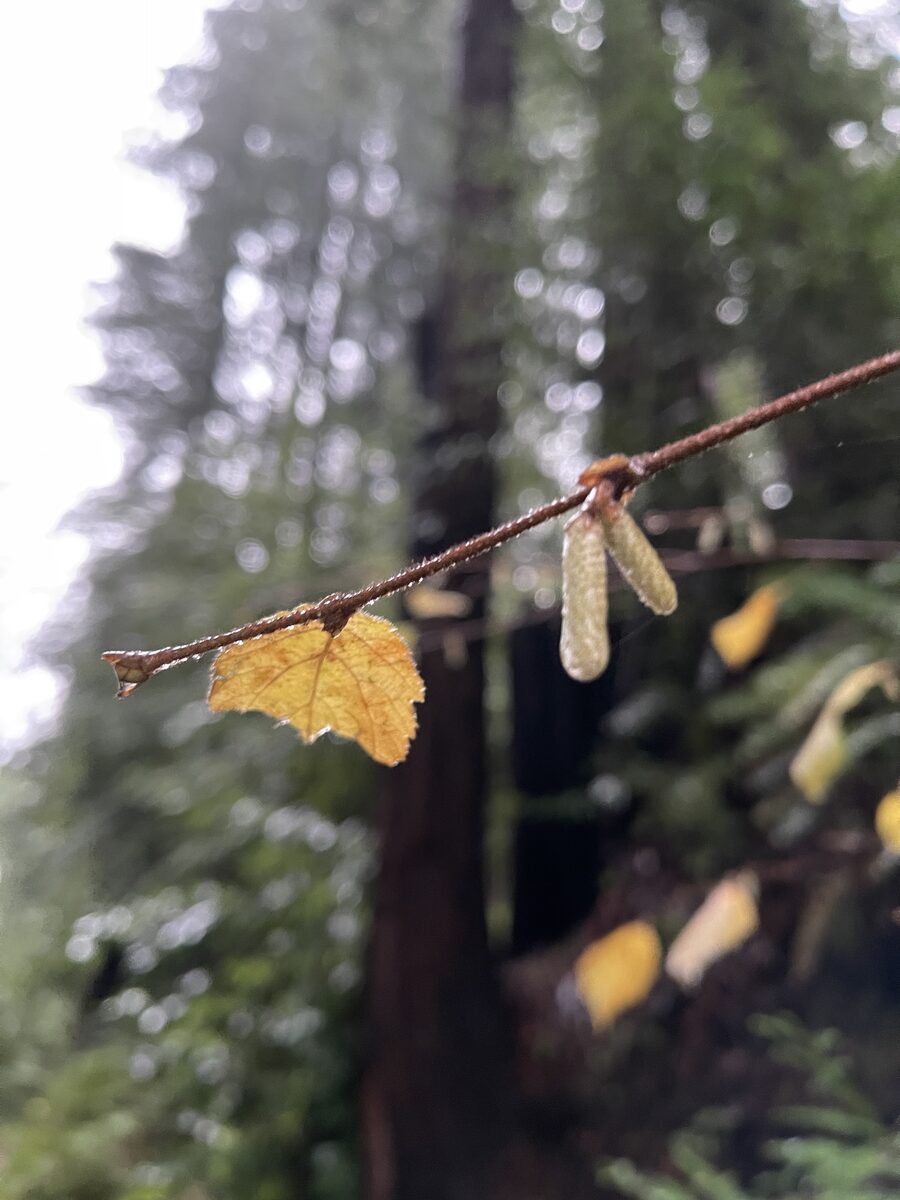
iNaturalist· cc-by-sa
(c) Douglas Goldman, some rights reserved (CC BY-SA), uploaded by Douglas Goldman
Summary
Source: WikipediaBetula populifolia, known as the gray (or grey) birch, is a deciduous tree in the family Betulaceae. It is native to eastern North America and is most commonly found in the northeast United States as well as southern Quebec, New Brunswick, and Nova Scotia. The tree is a pioneer species that is commonly found in sites following disturbance, such as fire or logging. Gray birches don't have as much economic value as other birch species but are still commonly used as ornamental trees.
Description
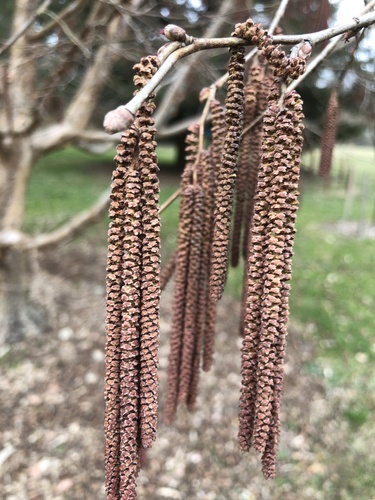
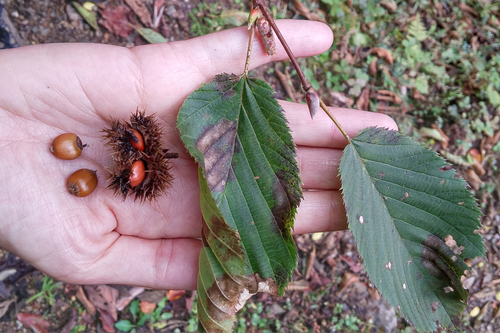
A tree that loses its leaves. It grows 10 m high and spreads 3 m wide. The trunk is erect and slender. The leaves are heart shaped with a long point. They are paler underneath. The flowers are catkins.
Edible Uses
Edible Parts: Inner bark Sap Edible Uses: Inner bark - cooked or dried and ground into a meal. The meal can be used as a thickener in soups etc, or be added to flour when making bread, biscuits etc. Inner bark is generally only seen as a famine food, used when other forms of starch are not available or are in short supply[177, K]. Sap - sweet. Harvested in early spring, before the leaves unfurl, by tapping the trunk. The flow is best on warm days that follow frosty nights. The sap is drunk as a sweet beverage or it can be fermented to make birch beer or vinegar. An old English recipe for the beer is as follows:- "To every Gallon of Birch-water put a quart of Honey, well stirr'd together; then boil it almost an hour with a few Cloves, and a little Limon-peel, keeping it well scumm'd. When it is sufficiently boil'd, and become cold, add to it three or four Spoonfuls of good Ale to make it work...and when the Test begins to settle, bottle it up . . . it is gentle, and very harmless in operation within the body, and exceedingly sharpens the Appetite, being drunk ante pastum.".
Traditional Uses
The sap is used as a sweet drink. It can be fermented to beer or vinegar. The inner bark is ground into flour and used as an emergency breadstuff.
This uses section is brief — help expand it
Medicinal Uses
Antiseborrheic Astringent Urinary The bark is astringent. a decoction has been used to treat bleeding piles. Scrapings of the inner bark have been used to treat swellings in infected cuts. The German Commission E Monographs, a therapeutic guide to herbal medicine, approve Betula species for infections of the urinary tract, kidney and bladder stones, rheumatism (see for critics of commission E).
Known Hazards
The aromatic and aliphatic hydrocarbons in birch tar are irritating to the skin. Do not use in patients with oedema or with poor kidney or heart functions
Distribution
It is a temperate plant. It will grow in most soils. It is resistant to drought and frost. Arboretum Tasmania.
Where It Grows
Australia, North America, Tasmania, USA*,
Cultivation
Succeeds in a well-drained loamy soil in a sunny position. Tolerates most soils doing well on poor ones and on heavy clays. A fast growing tree, though it rarely lives longer than 50 years. It is a pioneer species of abandoned fields, burnt-over lands, cleared woodlands etc. A fairly wind-tolerant plant, but it is shallow-rooted and older trees are often uprooted by winds and heavy snow in the wild. Hybridizes freely with other members of this genus, especially with B. papyrifera. A good plant to grow near the compost heap, aiding the fermentation process. Trees are notably susceptible to honey fungus.
Propagation
Seed - best sown as soon as it is ripe in a light position in a cold frame. Only just cover the seed and place the pot in a sunny position. Spring sown seed should be surface sown in a sunny position in a cold frame. If the germination is poor, raising the temperature by covering the seed with glass can help. When they are large enough to handle, prick the seedlings out into individual pots and grow them on in a cold frame for at least their first winter. Plant them out into their permanent positions in late spring or early summer, after the last expected frosts. If you have sufficient seed, it can be sown in an outdoor seedbed, either as soon as it is ripe or in the early spring - do not cover the spring sown seed. Grow the plants on in the seedbed for 2 years before planting them out into their permanent positions in the winter.
Other Uses
Charcoal Pioneer Wood A pioneer species, readily invading old fields, burnt-over or cleared land and providing suitable conditions for other woodland trees to become established. It is an excellent crop for very poor soils, where it grows rapidly and affords protection to the seedlings of more valuable and slower-growing trees. Since this species is short-lived and not very shade tolerant, it is eventually out-competed by these other trees. Wood - close-grained, soft, light, weak, not durable. It weighs 36lb per cubic foot. Unimportant commercially, the wood is used locally for making clothes pegs, spools, pulp, charcoal and quite commonly as a fuel. Special Uses Dynamic accumulator
Other Information
A famine food.
Synonyms
References (6)
- Arbust. amer. 19. 1785
- Bircher, A. G. & Bircher, W. H., 2000, Encyclopedia of Fruit Trees and Edible Flowering Plants in Egypt and the Subtropics. AUC Press. p 59
- Bodkin, F., 1991, Encyclopedia Botanica. Cornstalk publishing, p 145
- Facciola, S., 1998, Cornucopia 2: a Source Book of Edible Plants. Kampong Publications, p 49
- Tanaka,
Show all 6 references Hide references
- Tozer, F., 2007, The Uses of Wild Plants. Green Man Publishing. p 47