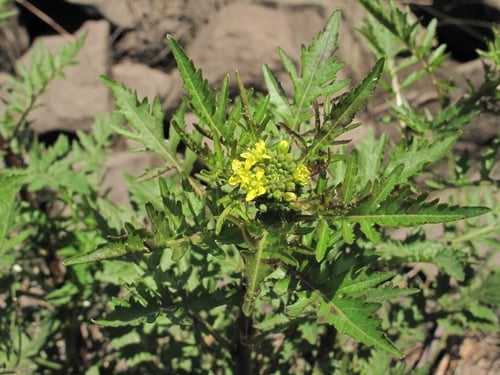
Erophila verna
(L.) Chevall.
Spring Whitlow-grass
iNaturalist· cc-by-nc
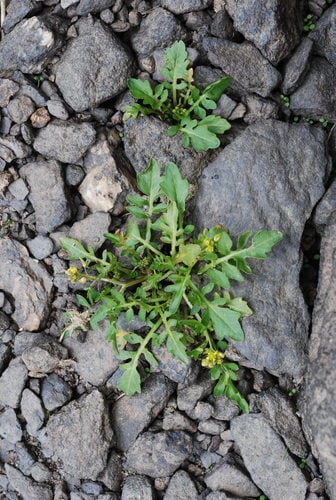
(c) Misha Zitser, some rights reserved (CC BY-NC)
iNaturalist· cc-by-nc
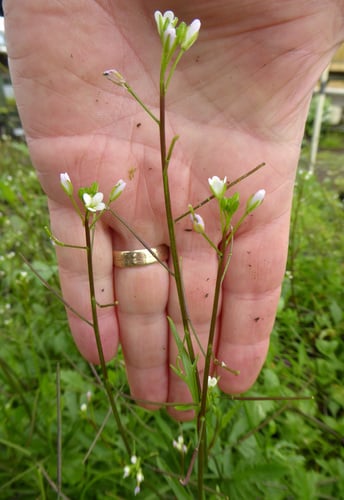
(c) Misha Zitser, some rights reserved (CC BY-NC)
iNaturalist· cc-by-nc
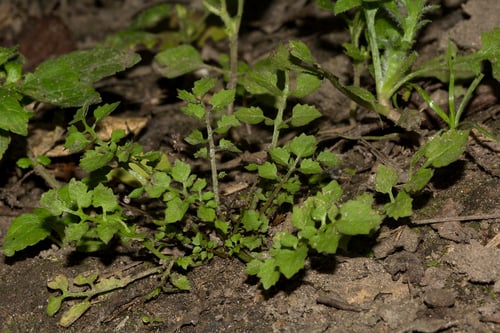
(c) Misha Zitser, some rights reserved (CC BY-NC)
Summary
Source: WikipediaA small annual herb growing to 0.2 m tall. Flowers March to June. Hermaphroditic and self-fertile, pollinated by bees and flies. Grows in light sandy, medium loamy, or heavy clay soils with good drainage. Tolerates mildly acid, neutral, or mildly alkaline pH. Can grow in semi-shade or full sun and adapts to dry or moist conditions.
Description
A cabbage family herb. It grows each year from seeds. It grows 3-10 cm high and the flower stalks are 15 cm tall. The flowers are white. The fruit are flat pods. They are 4-7 mm long. They contain many seeds.
Edible Uses
Leaves can be eaten raw.
Medicinal Uses
The plant is astringent and vulnerary, and is used as a treatment for whitlows.
Distribution
It is a temperate plant. It can grow in thin soils and cold climates. It grows on rocky outcrops. Tasmania Herbarium.
Where It Grows
Africa, Australia, Britain, Europe, Falklands, Finland, India, Luxembourg, North Africa, North America, Pakistan, Scandinavia, Spain, Tasmania,
Propagation
Sow seed in situ when ripe in summer, or sow stored seed in situ in early spring.
Other Uses
None known Special Uses
Notes
There are about 10 Erophila species.