Draba nemorosa
L.
Woodland Whitlow-grass
iNaturalist· cc-by-nc
(c) Ринат Султанов, some rights reserved (CC BY-NC), uploaded by Ринат Султанов
iNaturalist· cc-by-nc
(c) Jason Headley, some rights reserved (CC BY-NC)
iNaturalist· cc-by-nc
(c) Jason Headley, some rights reserved (CC BY-NC)
Summary
Source: WikipediaDraba nemorosa is a species of flowering plant belonging to the family Brassicaceae. Its native range is Subarctic and Temperate Northern Hemisphere.
Description
A cabbage family herb. It is an annual plant up to 45 cm tall. The leaves at the base are in a ring. They are 1-4 cm long by 2-12 mm wide. They do not have leaf stalks but have 3-6 teeth near the tip. The flowers are 2 mm across and pale yellow. They are in large groups.
Edible Uses
Young leaves are cooked with seasoned vegetables and used in soups. Seeds are also edible.
Traditional Uses
The young leaves are cooked with seasoned vegetables. They are also used in soups.
This uses section is brief — help expand it
Distribution
It is a temperate plant. It grows on grassy areas, roadsides, wet valleys, river banks, forest margins, stream sides, mountain slopes from near sea level to 4800 m altitude in China. Tasmania Herbarium.
Where It Grows
Afghanistan, Arctic, Asia, Australia, Central Asia, China, Europe, Japan, Kashmir, Kazakhstan, Korea, Kyrgyzstan, Mongolia, North America, Pakistan, Russia, SW Asia, Switzerland, Tajikistan, Tasmania, Turkmenistan, Uzbekistan,
Notes
There are 350 Draba species. They are mostly in cold places.
Synonyms
Also Known As
Kkitdaji, Kkottaji
References (11)
- Baker, M. L. & de Salas, M. F., 2012, A Census of the Vascular Plants of Tasmania. (On line)
- Flora of China @ efloras.org Volume 8
- Flora of Pakistan.
- Hwang, H., et al, 2013, A Study on the Flora of 15 Islands in the Western Sea of Jeollanamdo Province, Korea. Journal of Asia-Pacific Biodiversity Vol. 6, No. 2 281-310
- Kim, H. & Song, M., 2013, Ethnobotanical analysis for traditional knowledge of wild edible plants in North Jeolla Province (Korea). Genetic. Resour. Crop Evol. (2013) 60:1571-1585
Show all 11 references Hide references
- Pemberton, R. W. & Lee, N. S., 1996, Wild Food Plants in South Korea: Market Presence, New Crops, and Exports to the United States. Economic Botany, Vol. 50, No. 1, pp. 57-70 (As nemorosa Lindbl.)
- Plants for a Future database, The Field, Penpol, Lostwithiel, Cornwall, PL22 0NG, UK. http://www.scs.leeds.ac.uk/pfaf/
- Sp. pl. 2:643. 1753
- Tasmanian Herbarium Vascular Plants list p 17
- Urgamal, M., Oyuntsetseg, B., Nyambayar, D. & Dulamsuren, Ch. 2014. Conspectus of the vascular plants of Mongolia. (Editors: Sanchir, Ch. & Jamsran, Ts.). Ulaanbaatar, Mongolia. “Admon“ Press. 334pp. (p. 79-90).
- Zhou Taiyan, Lu Lianli, Yang Guang; Ihsan A. Al-Shehbaz, BRASSICACEAE (CRUCIFERAE), Flora of China.
More from Brassicaceae
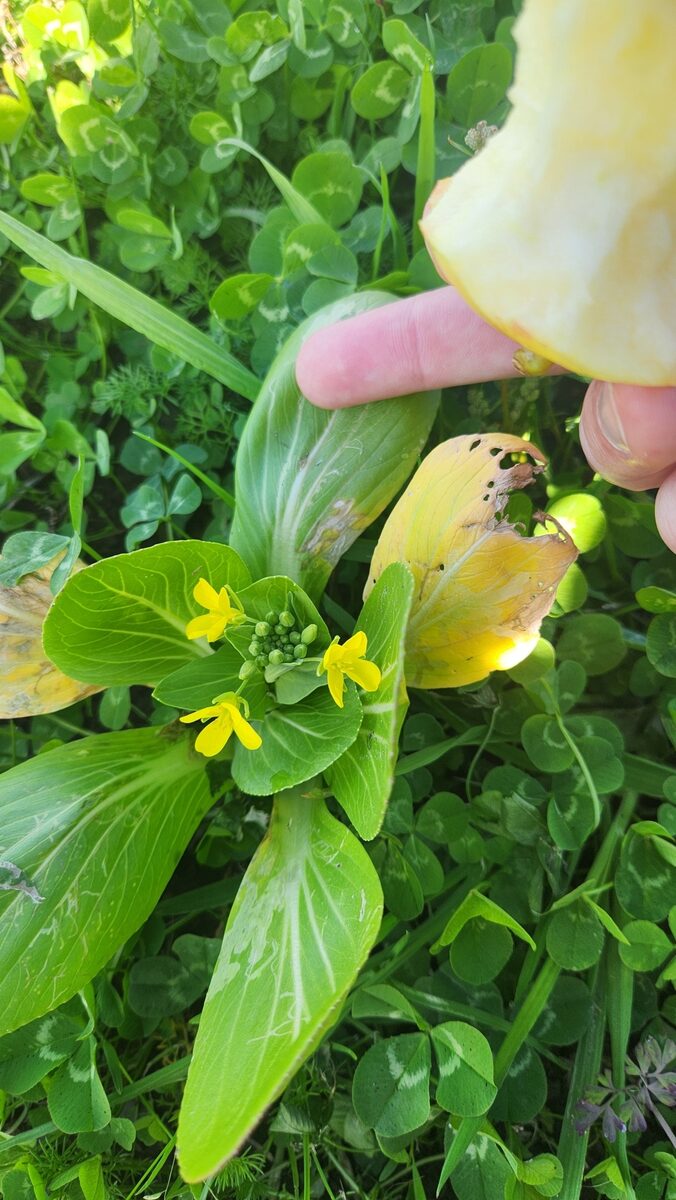
Brassica rapa subsp. chinensis
Bok-choy Celery cabbage
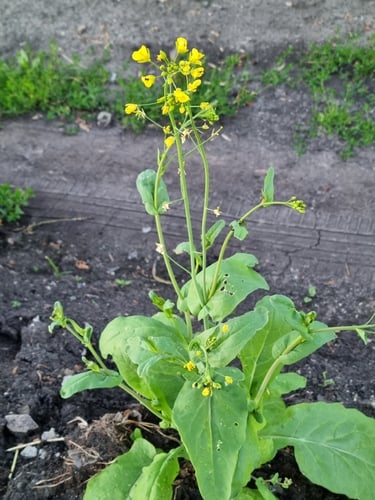
Brassica rapa subsp. dichotoma
Brown sarson, Canola, Indian rape
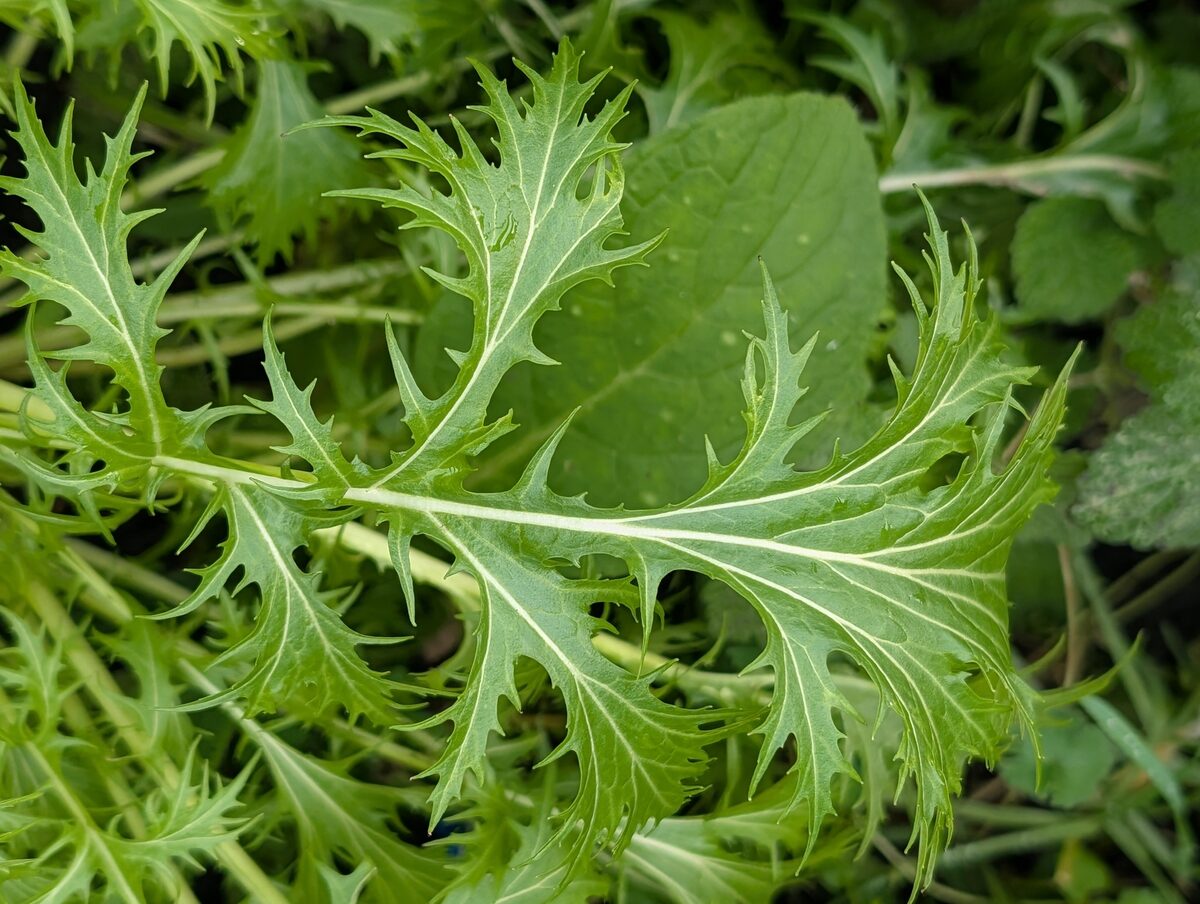
Brassica rapa subsp. nipposinica
Mibuna, Mizuma
Brassica rapa subsp. nipposinica var. perviridis
Komatsuna, Spinach mustard, Tendergreen, Japanese mustard
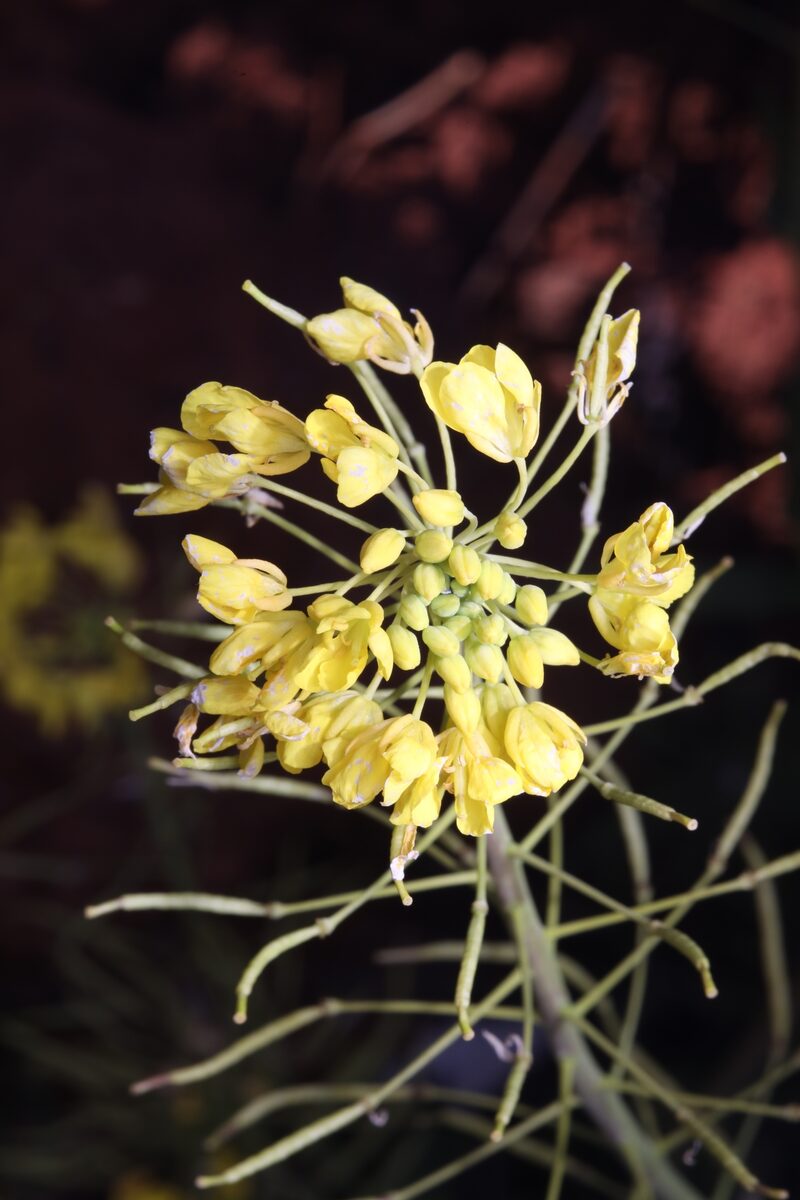
Brassica rapa subsp. oleifera
Biennial turnip rape, Canola
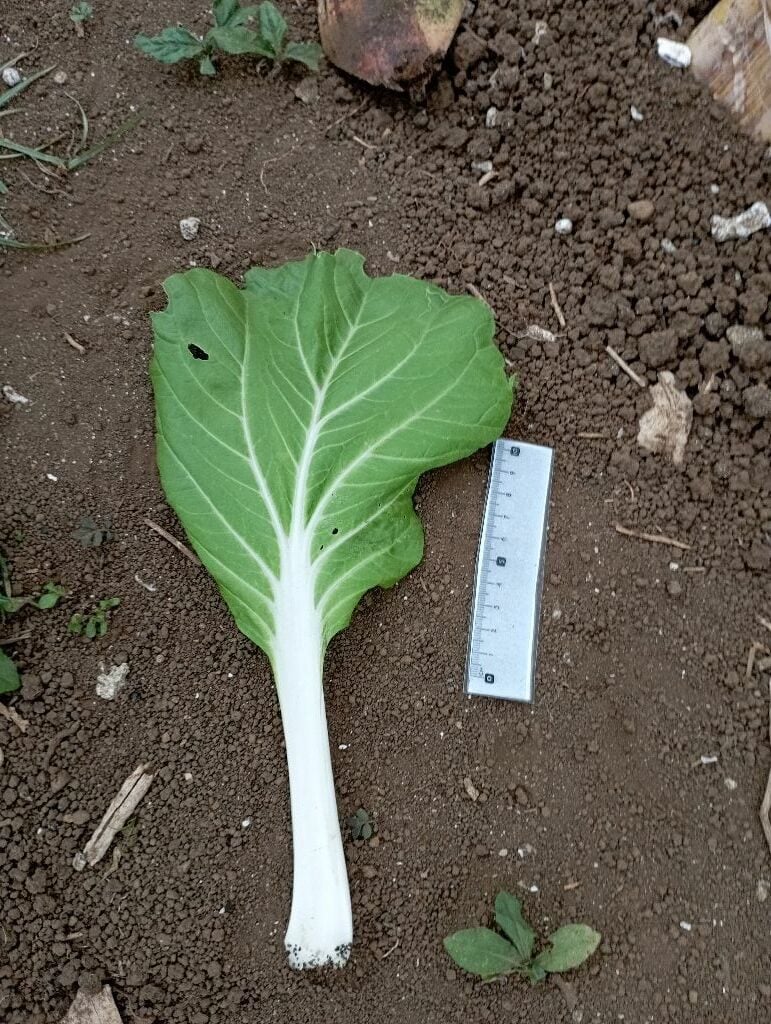
Brassica rapa subsp. pekinensis
Pe Tsai, Celery cabbage, Chinese cabbage