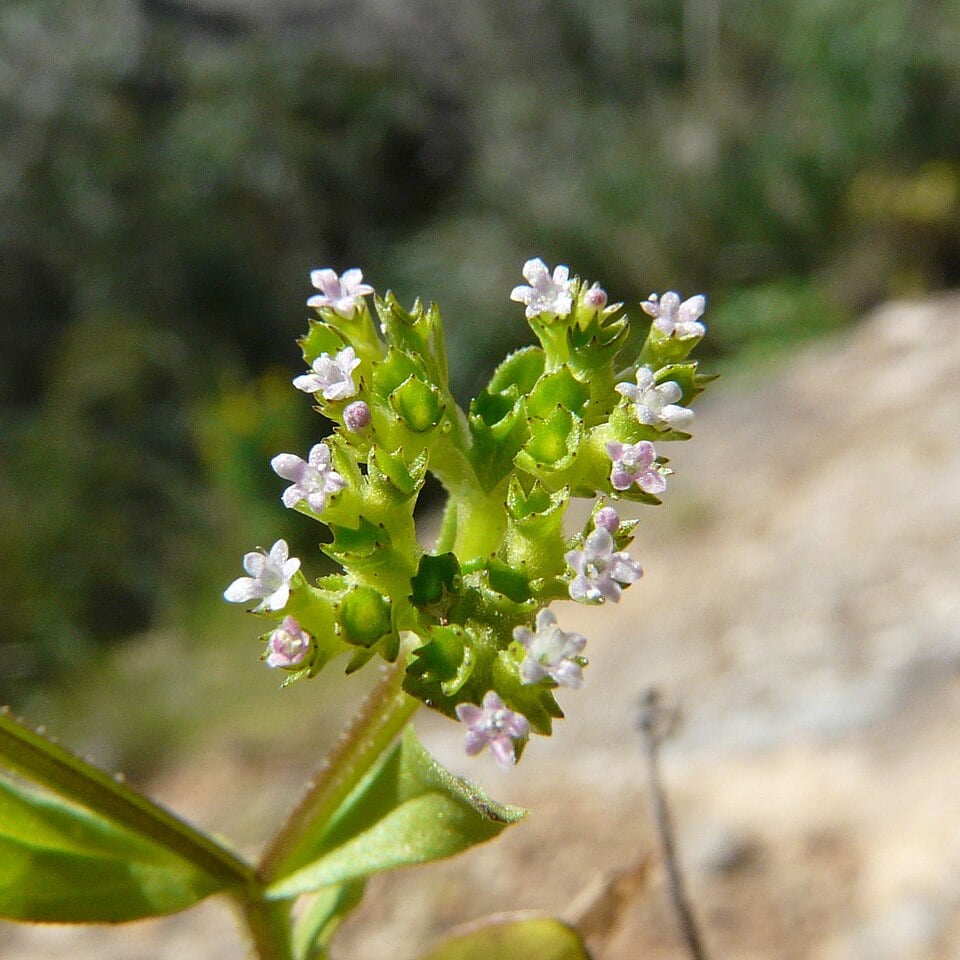
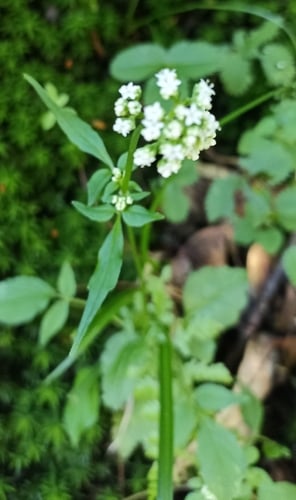
Sambucus racemosa kamtschatica - (E.Wolf.)Hult.
(E.Wolf.)Hult.
Red Elder
gbif· cc-by
Moscow State University (copyright is managed by Dr. Alexey P. Seregin)
gbif· cc-by
Moscow State University (copyright is managed by Dr. Alexey P. Seregin)
Description
Sambucus racemosa kamtschatica is a deciduous Shrub growing to 3 m (9ft 10in). See above for USDA hardiness. It is hardy to UK zone 4. It is in flower from April to May, and the seeds ripen from June to July. The species is hermaphrodite (has both male and female organs) and is pollinated by Insects. Suitable for: light (sandy), medium (loamy) and heavy (clay) soils and can grow in heavy clay soil. Suitable pH: mildly acid, neutral and basic (mildly alkaline) soils. It can grow in semi-shade (light woodland) or no shade. It prefers moist soil. The plant can tolerates strong winds but not maritime exposure. It can tolerate atmospheric pollution.
Edible Uses
Fruit - raw or cooked. The tastiest fruit in this genus. Rich in vitamin C, the seed can be removed and the fruit used in jellies, preserves etc. The fruit is about 5mm in diameter and is borne in large clusters, making it easy to harvest. Some caution is advised, see notes above on toxicity. Flowers - raw or cooked.
Medicinal Uses
Anodyne Carminative Depurative Diaphoretic Diuretic Laxative Purgative Resolvent Vitamin C Vulnerary. The leaves, stems and the roots are anodyne, carminative and vulnerary. A decoction is used in the treatment traumatic injuries, fractures, rheumatoid arthralgia, gas pains, acute and chronic nephritis. The fruit is depurative and laxative. The leaves are diuretic, resolvent and sudorific. They are used externally to soothe abscesses and boils. The root, and the oil from the seed, are purgative.
Known Hazards
Although no specific mention has been seen for this species, the leaves and stems of some, if not all, members of this genus are poisonous. The fruit of this species has been known to cause stomach upsets to some people. Any toxin the fruit might contain is liable to be of very low toxicity and is destroyed when the fruit is cooked. The seed is said to be poisonous.
Distribution
Europe to W. Asia. Occasionally naturalized in N. Britain.
Where It Grows
Coming Soon
Cultivation
Tolerates most soils, including chalk, but prefers a moist loamy soil. Grows well in heavy clay soils. Tolerates some shade but is best in a sunny position. Prefers cool moist conditions. Tolerates atmospheric pollution and coastal situations. Hardy to about -25°c. Plants self-sow in N. Britain but they rarely fruit well in S. Britain. There are some named varieties developed for their ornamental value. The flowers have a sweet smell, free from the fishy undertones found in some other members of the genus. This subspecies has larger fruits and seeds than the type. Plants in this genus are notably resistant to honey fungus.
Propagation
Seed - best sown as soon as it is ripe in the autumn in a cold frame, when it should germinate in early spring. Stored seed can be sown in the spring in a cold frame but will probably germinate better if it is given 2 months warm followed by 2 months cold stratification first. Prick out the seedlings into individual pots when they are large enough to handle. If good growth is made, the young plants can be placed in their permanent positions during the early summer. Otherwise, either put them in a sheltered nursery bed, or keep them in their pots in a sheltered position and plant them out in spring of the following year. Cuttings of half-ripe wood, 7 - 10cm with a heel, July/August in a frame. Cuttings of mature wood of the current season's growth, 15 - 20cm with a heel, late autumn in a frame or a sheltered outdoor bed. Division of suckers in the dormant season.
Other Uses
Repellent Straw Wood. The leaves are used to repel insects. Wood - commonly used in the manufacture of domestic items. It can be hollowed out to make flutes, pipes, straws etc.