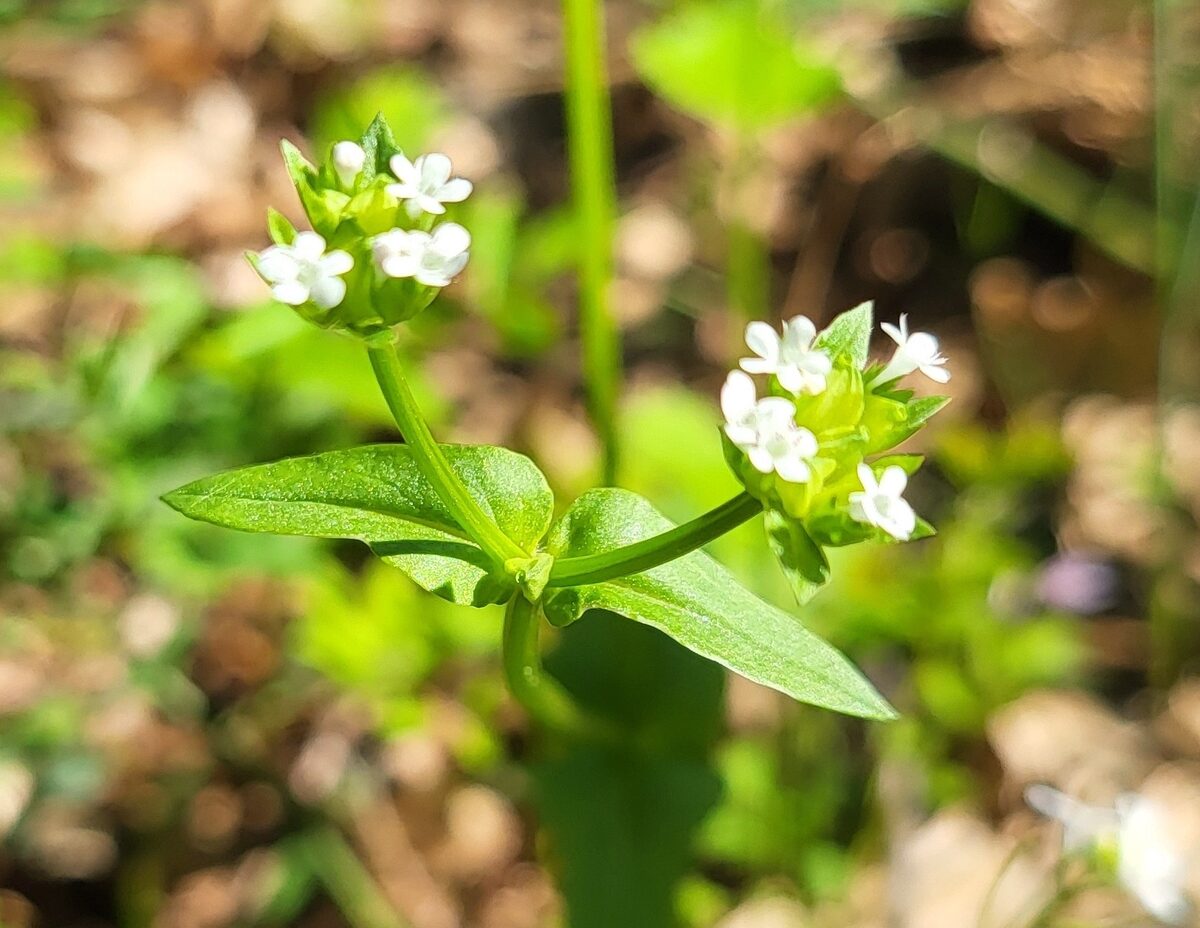
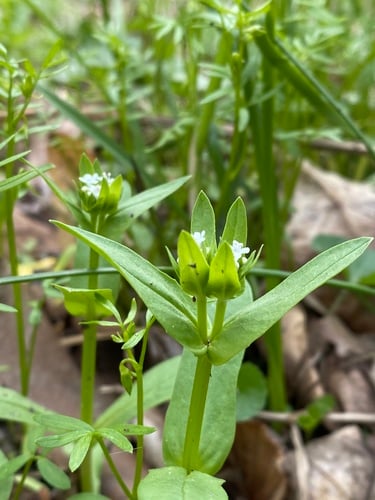
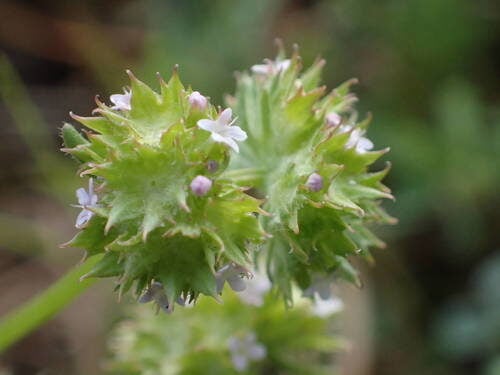
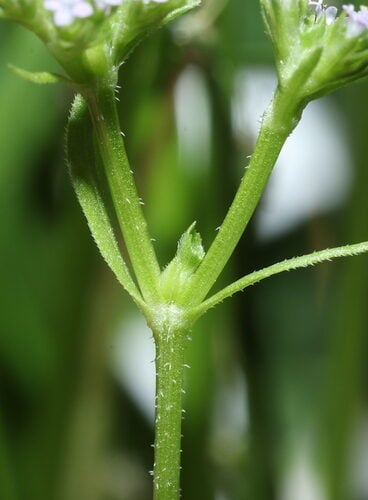
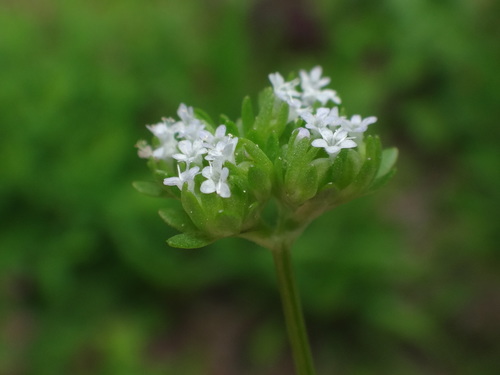
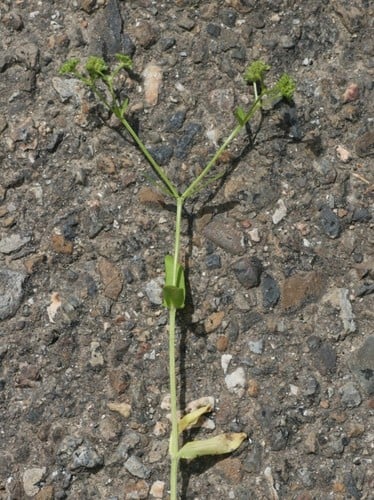
Valeriana obovata
Nutt. ex Torr. & A.Gray
Tobacco root
wikimedia· cc0
Wikimedia Commons - JW Stockert
wikimedia· cc-by
Wikimedia Commons - Andrey Zharkikh
Summary
Source: WikipediaA perennial growing to 1.2 m (4 ft) tall. Dioecious with insect pollination; both male and female plants needed for seed. Adapts to light sandy, medium loamy, and heavy clay soils with mildly acid to mildly alkaline pH, and tolerates saline soils. Requires full sun and prefers moist conditions.
Description
A perennial growing to 1.2 m (4 ft) tall. Dioecious with insect pollination; both male and female plants needed for seed. Adapts to light sandy, medium loamy, and heavy clay soils with mildly acid to mildly alkaline pH, and tolerates saline soils. Requires full sun and prefers moist conditions.
Edible Uses
The root requires extended cooking — traditionally slow-baked by indigenous peoples for about 2 days. It has a very strong and peculiar taste that some find offensive and others agreeable. After cooking, the root can also be dried and ground into a powder. Seeds are also edible; no specific preparation details are recorded for this species, but seeds of other members of this genus are parched before eating. Some caution is advised regarding the root.
Medicinal Uses
The whole plant, especially the root, is antispasmodic, carminative, diuretic, hypnotic, powerfully nervine, sedative and stimulant. Crushed root has been rubbed onto areas affected by rheumatism, swollen bruises, painful bleeding cuts and wounds. The root has also been used as a tapeworm medicine. Use with caution.
Known Hazards
The plant is considered to be poisonous raw.
Distribution
It is a temperate plant.
Where It Grows
North America, USA,
Cultivation
Succeeds in ordinary garden soil. Dioecious, male and female plants must be grown if seed is required.
Propagation
Sow seed in spring in a cold frame, barely covering it as light is needed for germination. Prick seedlings out into individual pots when large enough to handle, then plant out into permanent positions in summer if sufficient growth has been made; otherwise overwinter in a greenhouse or frame and plant out early the following summer. Divide in spring — larger divisions can go straight into permanent positions, while smaller ones are best potted up and grown on in light shade in a greenhouse or cold frame until established, then planted out in summer or the following spring.
Other Uses
None known Special Uses
Notes
Also put in the family Valerianaceae.
Synonyms
References (1)
- Plants for a Future database, The Field, Penpol, Lostwithiel, Cornwall, PL22 0NG, UK. http://www.scs.leeds.ac.uk/pfaf/