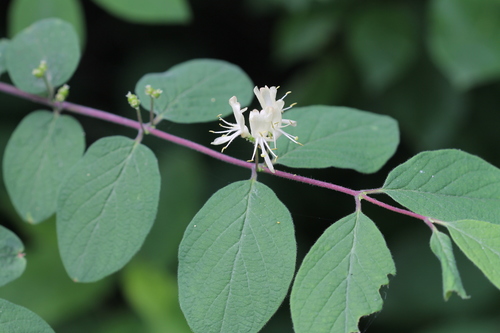
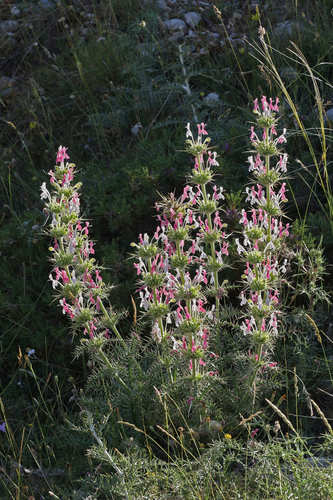
Valeriana hardwickii
Wall.
iNaturalist· cc-by-nc
(c) Rajendra Koranga, some rights reserved (CC BY-NC)
iNaturalist· cc-by-nc
(c) Rajendra Koranga, some rights reserved (CC BY-NC)
iNaturalist· cc-by-nc
(c) Rajendra Koranga, some rights reserved (CC BY-NC)
Summary
A tall perennial growing to 1.5 m (5 ft). Dioecious with insect pollination; both sexes required for seed production. Grows in light sandy, medium loamy, and heavy clay soils with mildly acid to mildly alkaline pH. Cannot tolerate shade and prefers moist soil conditions.
Description
A herb. It grows 1.5 m tall. The stems are erect and often have hairs on the lower section. The leaves at the base have long stalks. The leaves are simple or can have 3-5 lobes.
Edible Uses
None known
Traditional Uses
The tender leaves are sometimes cooked to make a thick soup that is eaten with porridge.
This uses section is brief — help expand it
Medicinal Uses
The root is bitter, carminative, diuretic, expectorant, nervine and stimulant, and is used as a nerve tonic in treating conditions such as epilepsy and hysteria, as well as rheumatism and low blood pressure. Pounded root or leaves can be applied as a poultice to treat boils. The plant is also antispasmodic, aphrodisiac, emmenagogue, diaphoretic and stimulant, and is considered an effective substitute for V. officinalis. The properties of that species are as follows: valerian is a well-known herb with a long and proven history of efficacy, noted especially as a tranquilliser and nervine for people suffering from nervous overstrain. It has been shown to encourage sleep, improve sleep quality and reduce blood pressure. It is used internally for painful menstruation, cramps, hypertension and irritable bowel syndrome, and should not be prescribed for patients with liver problems. Externally it treats eczema, ulcers and minor injuries. The active constituents are called valepotriates, which research has confirmed have a calming effect on agitated individuals while also acting as a stimulant in cases of fatigue. Roots of 2-year-old plants are harvested in autumn after the leaves have died down and used fresh or dried. The fresh root is approximately 3 times as effective as roots dried at 40°, while temperatures above 82° destroy the active principle. Use with caution.
Known Hazards
Some caution is advised with the use of this plant. At least one member of the genus is considered to be poisonous raw and V. officinalis is a powerful nervine and sedative that can become habit-forming.
Distribution
It is a temperate plant. It grows between 900-4,300 m above sea level.
Where It Grows
Asia, Bhutan, China, Himalayas, India, Indonesia, Malaysia, Myanmar, Nepal, SE Asia, Sikkim, Tibet,
Cultivation
We have very little information on this species and do not know if it will be hardy in Britain, though judging by its native range it should succeed outdoors in many parts of the country. The following notes are based on the general needs of the genus. Succeeds in ordinary garden soil. Dioecious, male and female plants must be grown if seed is required.
Propagation
Sow seed in spring in a cold frame, barely covering it as light is needed for germination. Prick seedlings out into individual pots when large enough to handle, then plant out into permanent positions in summer if sufficient growth has been made; otherwise overwinter in a greenhouse or frame and plant out early the following summer. Divide in spring — larger divisions can go straight into permanent positions, while smaller ones are best potted up and grown on in light shade in a greenhouse or cold frame until established, then planted out in summer or the following spring.
Other Uses
The plant contains essential oils.
Synonyms
Also Known As
Nakkali jatamansi, Nakkali sugandhawal, Na-poe
References (1)
- Ghimire, S. K., et al, 2008, Non-Timber Forest Products of Nepal Himalaya. WWF Nepal p 157