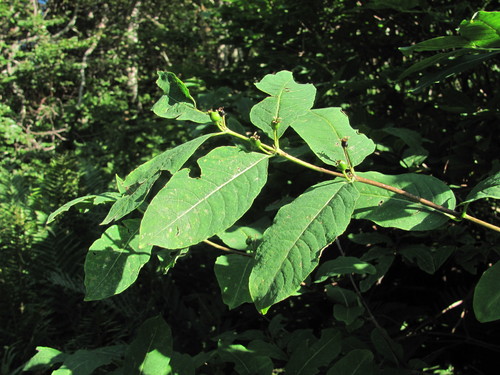
Valeriana edulis subsp. procera
(Kunth) F. G. Mey
Mexican valerian
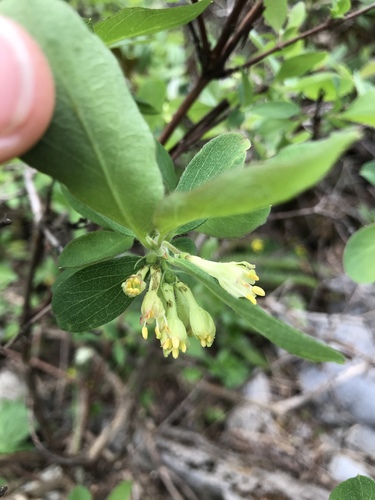
iNaturalist· cc-by-nc
(c) Pat Deacon, some rights reserved (CC BY-NC), uploaded by Pat Deacon
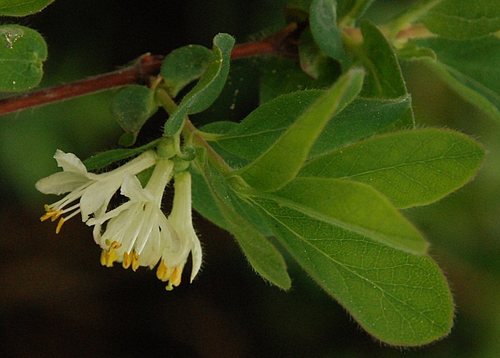
iNaturalist· cc-by-nc
(c) Andrew Lane Gibson, some rights reserved (CC BY-NC), uploaded by Andrew Lane Gibson
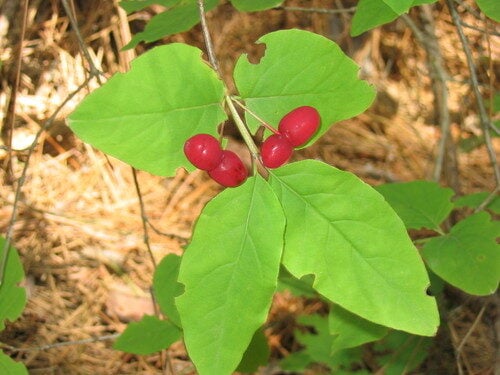
iNaturalist· cc-by
(c) Jared Shorma, some rights reserved (CC BY), uploaded by Jared Shorma
Summary
Source: WikipediaValeriana edulis, commonly known as edible valerian or tobacco root, is a species of flowering plant native to North America in the honeysuckle family. Despite the common name, "tobacco root", edible valerian is not closely related to tobacco.
Description
A herb.
This description is brief — help expand it
Edible Uses
Edible valerian has long been used as food. One of the earliest written accounts is from the journal of explorer John Charles Frémont in the 1840s: I ate here, for the first time, the kooyah, or tobacco root, (Valeriana edulis) the principal edible root among the Indians who inhabit the upper waters of the streams on the western side of the mountains. It has a very strong and remarkably peculiar taste and odor, which I can compare to no other vegetable that I am acquainted with, and which to some persons is extremely offensive. It was characterized by Mr. Preuss as the most horrid food he had ever put in his mouth; and when, in the evening, one of the chiefs sent his wife to me with a portion which she had prepared as a delicacy to regale us, the odor immediately drove him out of the lodge; and frequently afterwards he used to beg that when those who liked it had taken what they desired, it might be sent away. To others, however, the taste is rather an agreeable one, and I was afterwards always glad when it formed an addition to our scanty meals. It is full of nutriment; and in its unprepared state is said by the Indians to have very strong poisonous qualities, of which it is deprived by a peculiar process, being baked in the ground for about two days. The botanist Harold Harrington and fellow researchers experimented with many methods of cooking the roots, including boiling them for varying periods of time with many changes of water, baking them in aluminum foil, and soaking them with sodium bicarbonate, but came to agree with Charles Preuss on the offensive taste. They described the flavor to be like chewing tobacco with a smell like unwashed feet. However, they did observe that spring is the best time for gathering the roots as they are less fibrous than in the fall and with less insect damage. The botanist David Douglas observed native peoples cooking the roots on his journeys through northwestern America. He recorded, "The roots during the spring months, are collected by the Indians, baked on heated stones, and used as an article of winter or spring food. From a bitter and seemingly pernicious substance, it is thus converted into a soft and pulpy mass, which has a sweet taste, resembling that of treacle, and is apparently not unwholesome."
Traditional Uses
The root is cooked for a long time to remove the unpleasant flavour and then eaten.
This uses section is brief — help expand it
Distribution
It is a temperate plant.
Where It Grows
Mexico,
Synonyms
References (1)
- Kermath, B. M., et al, 2014, Food Plants in the Americas: A survey of the domesticated, cultivated and wild plants used for Human food in North, Central and South America and the Caribbean. On line draft. p 898