Olea europaea
L.
Olive, African olive, European olive
iNaturalist· cc-by
(c) David Anderson, some rights reserved (CC BY), uploaded by David Anderson
iNaturalist· cc-by-nc-nd
(c) Pescalune Photo, some rights reserved (CC BY-NC-ND)
iNaturalist· cc-by-nc
(c) Alan Dandie, some rights reserved (CC BY-NC), uploaded by Alan Dandie
Description
Olea europaea is an evergreen Tree growing to 10 m (32ft) by 8 m (26ft) at a slow rate. See above for USDA hardiness. It is hardy to UK zone 8. It is in leaf all year, in flower from August to September. The species is hermaphrodite (has both male and female organs) and is pollinated by Wind. The plant is self-fertile. It is noted for attracting wildlife. Suitable for: light (sandy), medium (loamy) and heavy (clay) soils, prefers well-drained soil and can grow in nutritionally poor soil. Suitable pH: mildly acid, neutral and basic (mildly alkaline) soils. It cannot grow in the shade. It prefers dry or moist soil and can tolerate drought.
Edible Uses
Oil. Olive fruits are widely used, especially in the Mediterranean, as a relish and flavouring for foods. The fruit is usually pickled or cured with water, brine, oil, salt or lye. They can also be dried in the sun and eaten without curing when they are called 'fachouilles'. The cured fruits are eaten as a relish, stuffed with pimentos or almonds, or used in breads, soups, salads etc. 'Olives schiacciate' are olives picked green, crushed, cured in oil and used as a salad. The fruit contains 20 - 50µ vitamin D per 100g. The fruit is up to 4cm long. The seed is rich in an edible non-drying oil, this is used in salads and cooking and, because of its distinct flavour, is considered a condiment[4, 46, 57, 89, 171, 183]. There are various grades of the oil, the finest (known as 'Extra Virgin') is produced by cold pressing the seeds without using heat or chemical solvents. The seed of unpalatable varieties is normally used and this oil has the lowest percentage of acidity and therefore the best flavour. Other grades of the oil come from seeds that are heated (which enables more oil to be expressed but has a deleterious effect on the quality) or from using chemical solvents on seed that has already been pressed for higher grades of oil. Olive oil is mono-unsaturated and regular consumption is thought to reduce the risk of circulatory diseases. The seed contains albumen, it is the only seed known to do this. Leaves. No more details are given. An edible manna is obtained from the tree.
Medicinal Uses
Antipruritic Antiseptic Astringent Bach Cholagogue Demulcent Emollient Febrifuge Hypoglycaemic Laxative Malaria Sedative. The oil from the pericarp is cholagogue, a nourishing demulcent, emollient and laxative. Eating the oil reduces gastric secretions and is therefore of benefit to patients suffering from hyperacidity. The oil is also used internally as a laxative and to treat peptic ulcers. It is used externally to treat pruritis, the effects of stings or burns and as a vehicle for liniments. Used with alcohol it is a good hair tonic and used with oil of rosemary it is a good treatment for dandruff. The oil is also commonly used as a base for liniments and ointments. The leaves are antiseptic, astringent, febrifuge and sedative. A decoction is used in treating obstinate fevers, they also have a tranquillising effect on nervous tension and hypertension. Experimentally, they have been shown to decrease blood sugar levels by 17 - 23%. Externally, they are applied to abrasions. The bark is astringent, bitter and febrifuge. It is said to be a substitute for quinine in the treatment of malaria. In warm countries the bark exudes a gum-like substance that has been used as a vulnerary. The plant is used in Bach flower remedies - the keywords for prescribing it are 'Complete exhaustion' and 'Mental fatigue'.
Distribution
S. Europe - Mediterranean.
Where It Grows
TEMPERATE ASIA: Cyprus, Israel, Jordan, Turkey, Yemen,Saudi Arabia. EUROPE: Former Yugoslavia, Albania, Greece (incl. Crete), Italy (incl. Sardinia, Sicily), Spain (incl. Baleares), France (incl. Corsica), Portugal, AFRICA: Spain, Canarias, Portugal, Madeira Islands, Algeria, Egypt, Libya, Morocco, Tunisia, Ethiopia, Sudan, Somalia, Kenya, Tanzania, Uganda, Mozambique, Malawi, Zambia, Zimbabwe, Botswana, Namibia, South Africa, Madagascar, Mauritius, Reunion.
Cultivation
Easily grown in a loamy soil and tolerating infertile soils, it prefers a well-drained deep fertile soil. A drought resistant plant once established, it succeeds in dry soils. Requires a sunny position. Tolerates salty air. Plants are slow-growing and very long-lived. The olive is very commonly cultivated in Mediterranean climates for its edible seed, there are many named varieties. Trees can produce a crop when they are 6 years old and continue producing a commercial yield for the next 50 years - many trees continue to give good yields for hundreds of years, even when their trunk is hollow. They succeed outdoors in the milder areas of Britain, though plants rarely produce fruit when grown in this country, preferring warm temperate regions with mild moist winters and hot dry summers. Some reports say that trees often fruit in south-western England. Generally, older trees are hardy to about -10°c. They require the protection of a south facing wall when grown in the London area. At least some cultivars are self-fertile. Some cultivars have been selected mainly for their fruits whilst others have been selected for their oil. 'Mission' is grown for its edible fruits. It is vigorous, prolific and very cold resistant. 'Moraiolo' is grown for its oil, it is very hardy and strong-growing. Flower production depends on a 12 - 15 week period of diurnally fluctuating temperatures with at least 2 months averaging below 10°c. Pruning can encourage non-fruiting water-shoots. Weighing down or arching the branches can encourage fruiting. The plants fruit best on wood that is one year old so any pruning should take this into account. An olive branch is a traditional symbol of peace, laurel leaves were used by the ancient Greeks to crown winners of the Olympic games. Plants have male flowers and bisexual flowers. Olives can be self-fertile, but cross-pollination with another variety often improves fruit set and yield. Olives are typically harvested in Autumn, from late September to November (Northern Hemisphere), depending on the variety and region. Olive trees flower in Spring, usually from April to June (Northern Hemisphere), with flowers appearing in clusters. Olives have a slow to moderate growth rate, generally growing about 1-2 feet per year until maturity, which can take 3 to 5 years for fruiting, and full production may take 7 to 10 years.
Propagation
Seed - sow late winter in a shady position in a greenhouse. Home produced seed should be given a period of cold stratification first. Where possible, it is best to sow the seed as soon as it is ripe in a greenhouse in the autumn. Prick out the seedlings into individual pots when they are large enough to handle and grow them on in the greenhouse for at least their first winter, perhaps for their first 2 - 3 winters. Plant them out into their permanent positions in early summer and give them some protection from winter cold for at least their first winter outdoors. Cuttings of half-ripe wood, 5 - 10cm with a heel, July/August in a frame. Good percentage.
Other Uses
Dye Hair Oil Oil Soil stabilization Wood Agroforestry uses: Olive trees are excellent for agroforestry as they provide shade, prevent soil erosion, and improve soil quality. They can also be used as windbreaks. The non-drying oil obtained from the seed is also used for soap making, lighting and as a lubricant. The oil is a good hair tonic and dandruff treatment. Maroon and purple dyes are obtained from whole fresh ripe fruits. Blue and black dyes are obtained from the skins of fresh, ripe fruits. A yellow/green dye is obtained from the leaves. Plants are used to stabilize dry, dusty hillsides. Wood - very hard, heavy, beautifully grained, takes a fine polish and is slightly fragrant. It is used in turnery and cabinet making, being much valued by woodworkers.
More from Oleaceae
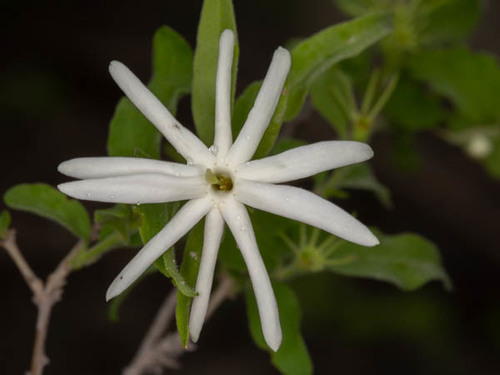
Jasminum stenolobum
Hairy jasmine
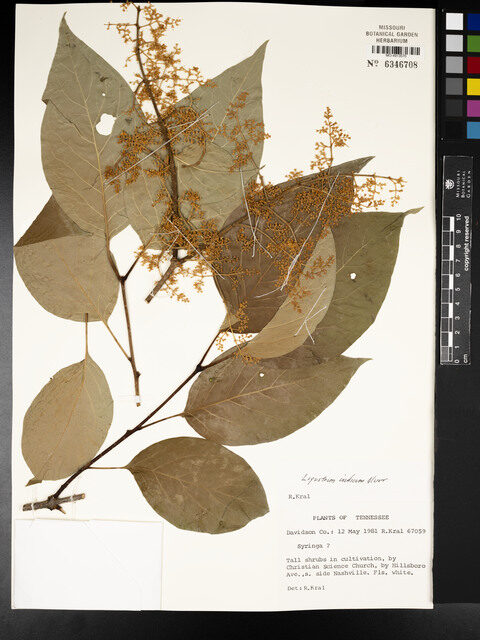
Ligustrum indicum - (Lour.)Merr.
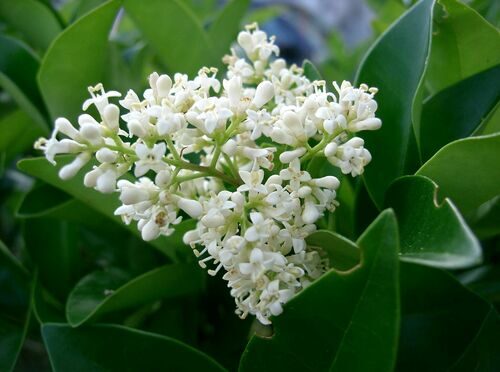
Ligustrum japonicum
Japanese Privet, Japanese Ligustrum, Waxleaf Ligustrum, Texas Privet, Waxleaf Privet
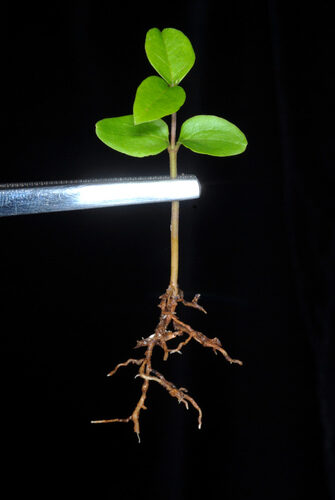
Ligustrum lucidum
Chinese Privet, Glossy privet, White Wax Tree, Tree Ligustrum
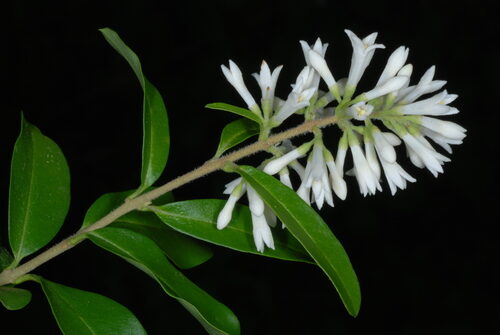
Ligustrum obtusifolium
Border privet
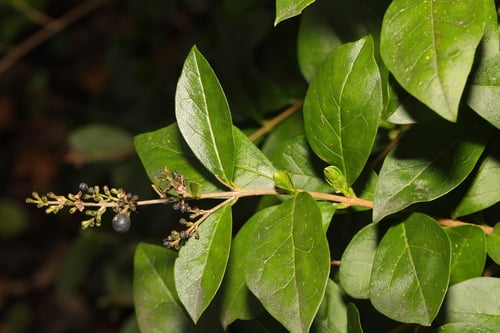
Ligustrum ovalifolium