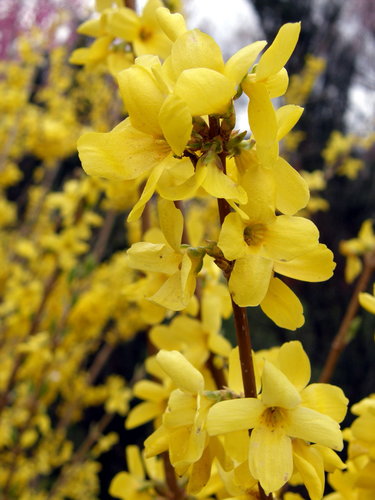
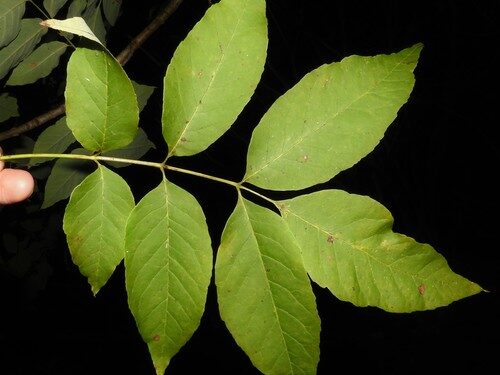
Jasminum malabaricum
Wight
Kusar
iNaturalist· cc-by-sa
(c) Dinesh Valke, some rights reserved (CC BY-SA)
iNaturalist· cc-by-nc
(c) Rujuta Vinod, some rights reserved (CC BY-NC)
iNaturalist· cc0
no rights reserved
Summary
Source: WikipediaJasminum malabaricum, the Malabar jasmine or wild jasmine, is a species of flowering plant in the family Oleaceae, native to southern parts of India, and Sri Lanka.
Description
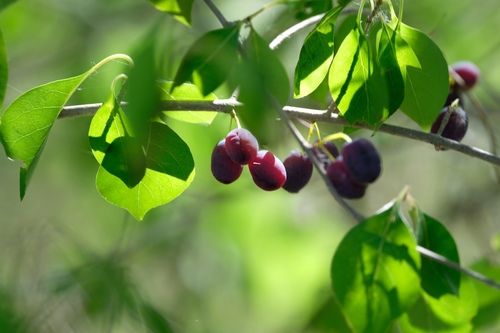
A shrub that lies over or climbs. The leaves are simple and opposite. They are 8-10 cm long by 6-7 cm wide. They are oval and taper to a short tip. The flowers are in loose groups and are white. They have a scent. The fruit is 1-1.2 cm long by 1 cm wide.
Edible Uses
The ripe fruit are sour and are typically boiled and eaten as a vegetable.
Traditional Uses
The ripe fruit are eaten. They are sour and are boiled and eaten as a vegetable.
This uses section is brief — help expand it
Distribution
A tropical plant. It grows in semi-evergreen forests. It occurs in the Western Ghats in India.
Where It Grows
Asia, India,
Notes
There are between 200 and 500 Jasminum species.
Synonyms
Also Known As
Ghugarya, Kadambavalli, Kanser
References (4)
- Datar, M. N. & Upadhye, A. S., 2016, Forest foods of northern region of Western Ghats. MACS - Agharkar Research Institute, Pune. Pp 1-160. ISBN: 978-93-85735-10-3 p 98
- Green, P. S., 2003, Synopsis of the Oleaceae from the Indian Sub-Continent. Kew Bulletin, Vol. 58, No. 2 (2003), pp. 257-295
- Patil, M. V. & Patil, D. A., 2000, Some More Wild Edible Plants of Nasik District (Maharashtra). Ancient Science of Life Vol. X1X (3&4): 102-104
- Sharma, B.D., & Lakshminarasimhan, P., 1986, Ethnobotanical Studies on the Tribals of Nasik District (Maharashtra). J. Econ. Tax. Bot. Vol. 8 No. 2 pp 439-446